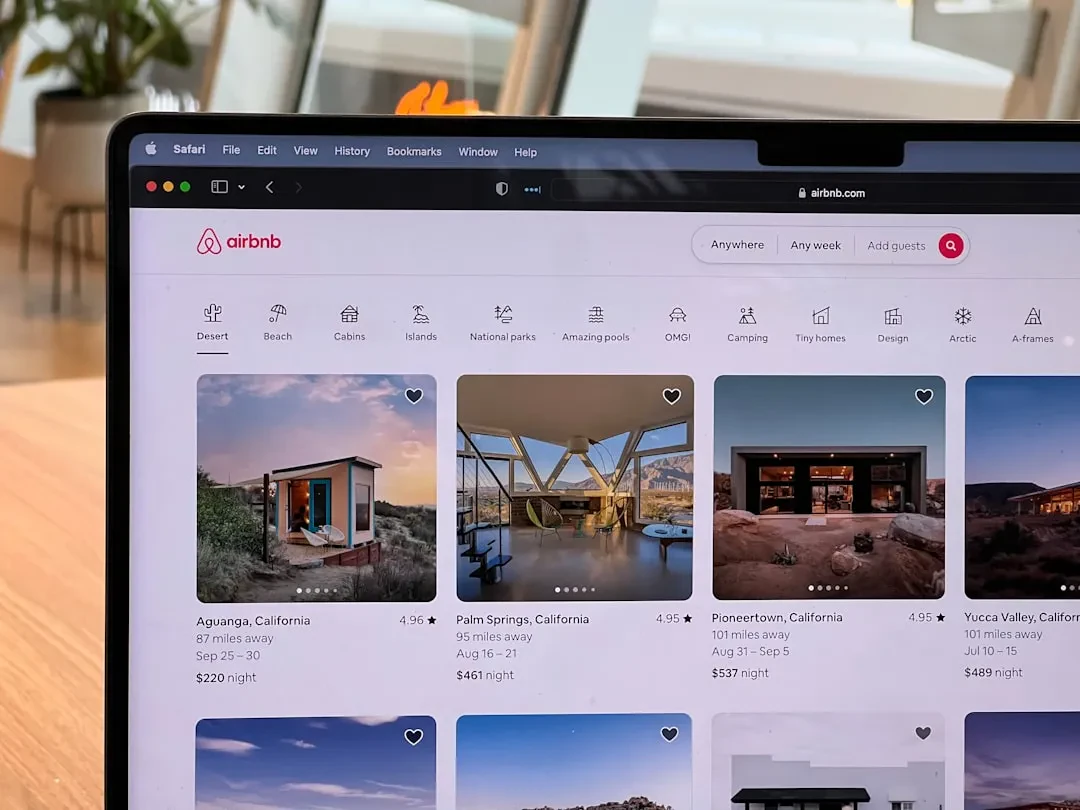
The travel tech landscape has witnessed a seismic shift. Airbnb, the platform that redefined short-term rentals, is no longer just a place to book apartments or rooms. Today the company announced a radical transformation that propels it into the realm of full-service travel agencies and local experiences, integrating boutique hotels, car rental services, luggage storage, and even grocery deliveries. All of this is powered by artificial intelligence that promises to revolutionize both host onboarding and customer support.
From homes to boutique hotels: a new category
The most significant move is the official entry into the hotel market. Airbnb has struck deals with thousands of independent boutique hotels, often hard to find on traditional booking engines. These properties are not mere listings; they are curated and integrated with the same personalization and flexibility tools that made the platform famous. For travelers, this means access to a broader range of options while retaining the taste for authenticity that distinguishes the brand. These are not standardized chains but historic mansions, eco-lodges, and family-run small resorts.
Sponsored Protocol
Ancillary services: car rentals, luggage storage, and grocery delivery
The most surprising evolution concerns the ecosystem of services. Soon, directly from the Airbnb app, users will be able to book a rental car for the entire stay, arrange luggage storage before check-in or after checkout, and have groceries delivered right to the door of their rented home. Partnerships with local logistics and car-sharing services turn the app into a true digital concierge. This approach not only increases convenience for the user but creates new revenue streams for the platform and hosts, who can earn commissions on every additional service purchased by their guests.
AI at the core: host onboarding and customer support
Beneath the surface, the real innovation is artificial intelligence. Airbnb has developed a generative AI system for host onboarding that assists in creating the listing, from writing the description to selecting the best photos and dynamically setting prices based on local demand. For customer support, a virtual assistant based on advanced language models can resolve most inquiries in real time, reducing wait times and frustration. The AI does not replace humans but empowers them, leaving only the most complex cases to human operators. This is a concrete example of how artificial intelligence is reshaping work and user experience, a theme we explored in our article on how AI reshapes work, search, and audio.
Sponsored Protocol
Implications for the travel sector and competition
With this move, Airbnb not only directly challenges Booking.com and Expedia but also moves closer to the superapp model of Asian giants like WeChat or Grab. The strategy is clear: keep the user within the ecosystem for the entire travel cycle, from planning to logistics. The integration of grocery deliveries, in particular, could be a massive competitive advantage for those who choose long stays in apartments with kitchens. In a context where AI companies like OpenAI are barreling toward an IPO, Airbnb demonstrates that artificial intelligence can be successfully applied to traditional sectors like tourism.
Sponsored Protocol
It remains to be seen how established players will react and whether the quality of service can maintain the promise of personalization. However, one thing is certain: the line between home and hotel, between vacation and everyday life, is thinning more and more. Airbnb is no longer just a place to sleep, but a full-fledged travel assistant. For a deeper look at the company's history and evolution, check the Wikipedia page on Airbnb.