In an exclusive interview with Tom's Guide, Apple executives John Ternus, head of hardware engineering, and Greg Joswiak, senior vice president of worldwide marketing, shared valuable insights into the evolution of Apple products, with a particular focus on the new MacBook Neo, artificial intelligence, and the concept of spatial computing. Their statements offer an in-depth look at the Cupertino company's long-term strategy.
MacBook Neo A New Standard for Accessibility and Quality
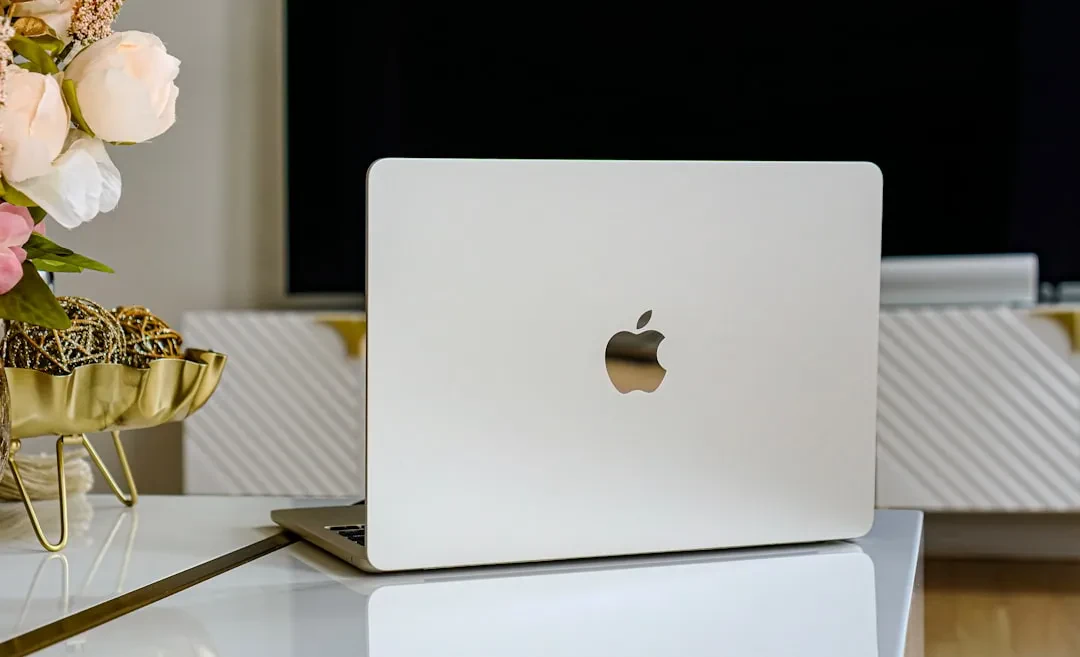
The MacBook Neo was described not merely as an affordable device, but as a true reinvention of the entry-level laptop. Ternus highlighted Apple's historical view of the Mac as a 'bicycle for the mind,' aiming to make personal computing accessible to as many people as possible. The MacBook Neo's mission is precisely to carry forward this vision, offering a high-quality product at a competitive price. Ternus emphasized Apple's commitment to building something completely new from the ground up to provide customers with an excellent user experience, stating emphatically 'We never want to ship junk. We want to ship great products that have that Apple experience'.
Sponsored Protocol
Joswiak further elaborated on this point, stressing how the Neo's build quality significantly distinguishes it from the competition. He described competing products as flimsy, made with cheap materials, and prone to flexing, a result of attempts to cut costs on every component. Conversely, Apple adopted an approach focused on offering high value at a lower price, preserving the excellence that characterizes its devices. This philosophy aims to democratize the Apple experience without compromising on durability and performance.
Differentiation Between iPad and Mac No Convergence in Sight
Ternus clarified that Apple has no intention of merging the iPad and Mac product lines. Any similarities that may emerge between the two ecosystems stem from Apple's focus on improving each device individually, rather than a convergence strategy. 'We're going to make the best iPad we can possibly make. We're going to make the best Mac we can possibly make,' Ternus explained. The choice between the two will depend on the individual user's needs, and many will appreciate having both devices. There has never been the idea of 'mashing these two things together.' This strategy ensures that each platform can evolve to its best potential within its specific domain.
Sponsored Protocol
Artificial Intelligence A Marathon, Not a Sprint
Addressing the topic of artificial intelligence, an area where Apple has been perceived by some observers as less proactive than competitors, Joswiak offered a long-term strategic perspective. 'We've been doing things with intelligence for many years,' he recalled, noting that generative AI offers new opportunities. However, he emphasized the nature of progress in this field. 'Boy, this is not a sprint. This is a marathon, right? We're going to be doing stuff with intelligence for decades, not months or years.' This vision suggests a deliberate and methodical approach to integrating AI into Apple products, aiming for robust and lasting solutions rather than fleeting innovations. OpenAI's commitment to enhancing the capabilities of its AI agents, as discussed regarding Codex towards an AI Super App, reflects the growing complexity and potential of this sector, but Apple appears intent on proceeding cautiously, ensuring reliability.
Sponsored Protocol
Regarding spatial computing, Joswiak admitted that we are still in the 'early innings,' while dodging questions about a potential touchscreen MacBook Pro or smart glasses. Ternus, however, was more explicit, defining the fusion of the digital and physical worlds as an inevitability. This perspective aligns Apple with emerging trends in the industry, where augmented and virtual reality promise to redefine human-computer interaction. While the specific future of Apple's products in this area remains shrouded in mystery, the company appears firmly committed to exploring and shaping this new technological frontier. The emphasis on quality and seamless integration, as also demonstrated by the evolution of solutions like enhanced Gemini in image personalization, remains a cornerstone of Apple's strategy.
Sponsored Protocol
In summary, Apple continues to pursue a strategy centered on quality, accessibility, and a long-term vision for technological innovation, both in artificial intelligence and spatial computing. The methodical approach, though perhaps appearing cautious, aims to ensure that every new product or feature offers an exceptional user experience and lasting value.
Source: https://www.macrumors.com/2026/04/16/joz-john-ternus-ai-neo-interview