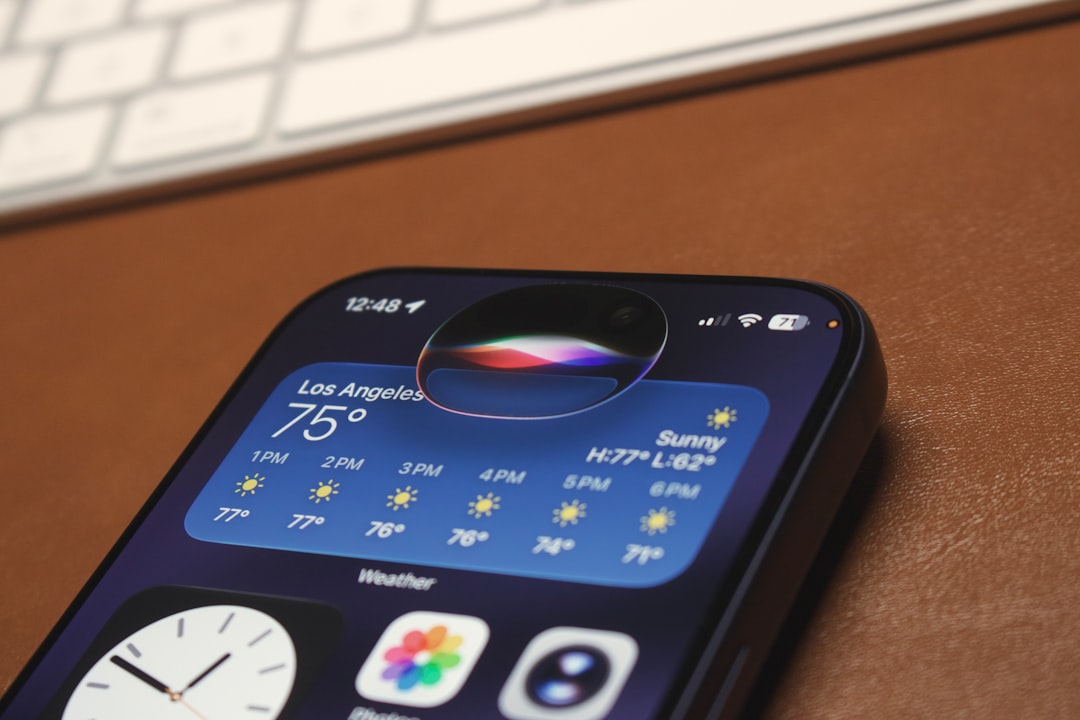
The world of Apple technology is buzzing with increasingly concrete rumors about an imminent upgrade that will affect two of its most beloved products iPad Mini and MacBook Pro. According to sources within the tech industry and the latest news leaked from the Asian market, Apple is planning to adopt OLED displays for these platforms by the end of the current year. This strategic move would mark a significant leap forward in the visual experience offered to its users, promising unprecedented image quality.
New Generation OLED Displays for an Immersive Visual Experience
The current iPad Mini and MacBook Pro models still rely on LCD displays, albeit with LED or mini-LED backlighting. The introduction of OLED technology would bring about a clear improvement in color rendering, with more vivid colors and a significantly higher contrast ratio, capable of offering absolute blacks. This innovation, which follows the already consolidated adoption of OLED on iPhones, Apple Watches, and iPad Pros, aims to bring visual excellence to a new level even on portable devices and laptops.
Sponsored Protocol
Technical Specifications and Innovations for iPad Mini
Anticipations for future iPad Minis do not stop at the display. It is rumored that the new model may be equipped with the A19 Pro chip or even the A20 Pro, ensuring even higher performance. Other expected improvements include a vibration-based audio system for a more immersive sound experience and a reinforced design for greater water resistance. The official announcement is expected in September or October of this year, at which point we will know all the details about this highly anticipated update. Current deals on older models, such as the MacBook Air, could foreshadow a broader discount strategy in anticipation of new launches.
MacBook Pro and the Arrival of M6 Chips and Touchscreen
Regarding the 14-inch and 16-inch MacBook Pros, rumors point to the integration of the new M6 Pro and M6 Max chips, which promise a significant performance leap. One of the most anticipated innovations, which could revolutionize interaction, is the introduction of a touchscreen display. Added to this would be the Dynamic Island, already appreciated on iPhones, for a more dynamic and interactive user interface. The design is also expected to be further thinned down. The launch of these new models is scheduled for the end of 2026, with the possibility that it might be postponed to early 2027. This evolution in portable computing, alongside innovations like the AI assistant for Mac, indicates a clear direction towards increasingly intelligent and versatile devices.
Sponsored Protocol
The Impact of OLED Technology
The adoption of OLED technology is not just an aesthetic improvement but a true revolution in device interaction. The high energy efficiency, the flexibility of the panels, and the ability to integrate new forms of interaction, such as curved or foldable displays in the future, open up unprecedented scenarios. This technological shift confirms Apple's strategy to focus on cutting-edge innovation to maintain its market leadership, offering an increasingly rich and personalized user experience.
Sponsored Protocol
Competition and Market Context
In an increasingly competitive market, where companies like Anthropic with Claude Design are revolutionizing visual creation, and Google is pushing integrated AI in browsers, Apple responds with a focus on hardware quality and the integration of cutting-edge technologies. The continuous pursuit of excellence, as demonstrated by the loyalty of iPhone users, combined with these innovations, positions Apple on a trajectory of sustained growth, preparing for the challenges of the future of spatial computing and artificial intelligence.
Source: https://www.macrumors.com/2026/04/17/two-more-apple-devices-with-oled-displays