Apple has signed a multiyear agreement with Broadcom to design and produce custom silicon components and wireless technologies. The deal, valued at over $30 billion, will result in the creation of more than 15 billion chips in the United States and support hundreds of American jobs.
Broadcom's role in Apple's American Manufacturing Program
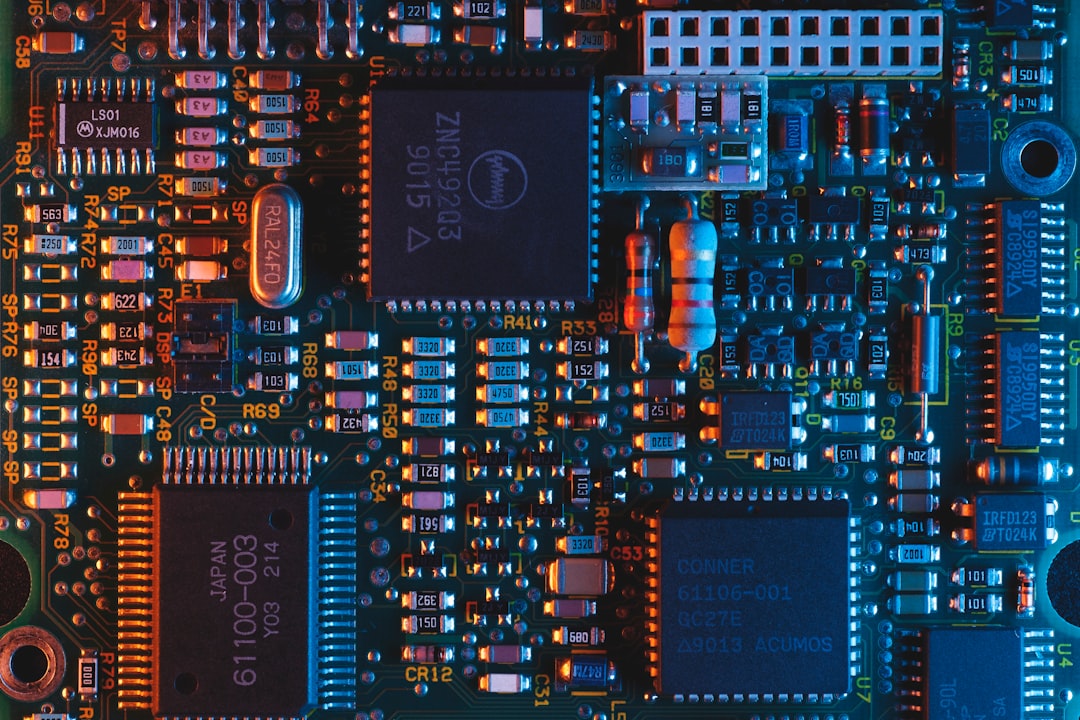
Broadcom is part of Apple's American Manufacturing Program, an initiative launched last year to boost U.S. manufacturing. Under Apple's largest AMP commitment to date, Broadcom will invest $1.5 billion to expand and modernize its facility in Fort Collins, Colorado. There, it will produce advanced radio frequency components, including FBAR filters, and wireless connectivity technologies.
Tim Cook emphasizes commitment to U.S. innovation
Apple CEO Tim Cook stated that Apple and Broadcom share a long history and that this new phase accelerates their commitment to American manufacturing and innovation. Cook highlighted that the cutting-edge components built in Fort Collins are essential for delivering the performance and connectivity customers expect. He thanked the president and his administration for supporting such projects. The investment is part of Apple's pledge to invest $600 billion in the U.S. over four years.
Sponsored Protocol
Advanced technologies produced in Fort Collins
The Fort Collins facility will produce FBAR filters and next-generation RF components. These are critical for fast and reliable wireless connections on iPhones, iPads, Macs, and Apple Watches. The $1.5 billion investment will upgrade production lines with state-of-the-art machinery and hire specialized engineers. Apple estimates the deal will create hundreds of direct and indirect jobs in the region.
Sponsored Protocol
Broadcom chips across Apple's product line
Broadcom's chips cover custom RF components, Wi-Fi and Bluetooth connectivity, and other networking semiconductors used throughout Apple's lineup. The partnership underscores Apple's strategy to vertically integrate production of critical components, reducing reliance on foreign suppliers. Amid geopolitical tensions and government incentives for domestic manufacturing, the Broadcom deal fits a broader trend of reshoring semiconductor production.
Apple recently suffered a legal setback in Europe, losing an antitrust appeal and remaining classified as a gatekeeper under the DMA. Nevertheless, the company continues to invest heavily in U.S. manufacturing, as demonstrated by this Broadcom deal. For more details, read the article on Apple Loses Antitrust Appeal in Europe.
Sponsored Protocol
The importance of U.S. chip manufacturing is also evident in other sectors: for example, the cost of RAM in budget smartphones has surged, as reported in this article. However, the Apple-Broadcom deal aims to strengthen the domestic supply chain for advanced components.
For more information on Broadcom, visit the Wikipedia page for Broadcom.
Source: https://www.macrumors.com/2026/07/08/apple-announces-30-billion-broadcom-deal