The global smartphone market has just witnessed two seemingly separate yet deeply interconnected events. On one hand, Apple has claimed the top spot in worldwide shipments for the first time ever in the first quarter of 2026, according to Counterpoint Research. On the other, the showdown between the new photographic flagships from Oppo and Vivo, the Find X9 Ultra and X300 Ultra, is rewriting the rules of computational mobile photography. These two phenomena tell the same story the industry is polarizing between Apple premium ecosystem and the technological experimentation of Chinese brands, with the memory chip shortage looming over every dynamic.
According to Counterpoint, Apple captured 21 percent of global shipments in Q1 2026, growing 9 percent year over year while the overall market contracted by 3 percent. Samsung came in a close second with an identical 21 percent share but with roughly flat shipments. Xiaomi, OPPO and vivo followed with 12, 10 and 7 percent respectively, all posting double-digit declines. The most striking figure is Xiaomi 19 percent drop, a sign that the mid-range segment is suffering from inflation and component shortages. Apple success has been attributed to proactive supply chain management, improved sales in China, and the ability to maintain premium pricing despite the scarcity of DRAM and NAND memory. Tim Cook called the iPhone 17 family the most popular lineup in Apple history, confirming that the base model outsold every other single smartphone globally.
The Memory Shortage as a Structural Factor
The memory chip crisis continues to weigh on the entire ecosystem. Semiconductor makers are prioritizing AI data center customers over smartphone manufacturers, causing higher costs and reduced availability. Cook warned that the impact will hit Apple harder in the second half of 2026, while Counterpoint expects the shortage to last until late 2027. This scenario makes the challenge between Oppo and Vivo to deliver the best telephoto module even more significant, as both brands must balance innovation and costs in a difficult procurement environment. As analyzed in our article on AI Everywhere, artificial intelligence is becoming the true differentiator, and telephoto lenses are the most visible battleground.
Oppo Find X9 Ultra vs Vivo X300 Ultra The Telephoto Showdown
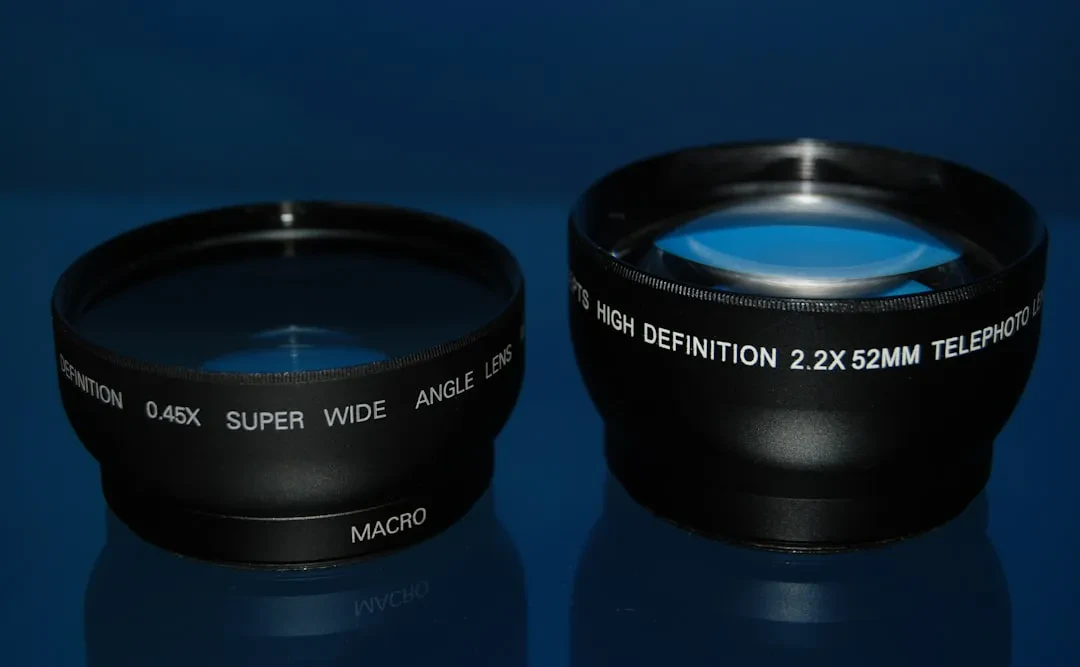
The comparison between the Oppo Find X9 Ultra and the Vivo X300 Ultra highlights two different philosophies. Oppo relies on a periscope sensor with 5x optical zoom and a sophisticated AI-based stabilization algorithm, while Vivo takes a hybrid approach with a 200-megapixel sensor and a folded lens system that allows continuous zoom from 3x to 10x. Both devices use the latest Snapdragon processors and boast image quality that surpasses many mirrorless cameras in daylight conditions. The difference emerges in low-light management and color reproduction, where Oppo favors naturalness and Vivo opts for saturation. This duel is not only technical but also strategic. Oppo and Vivo are trying to steal share from Apple premium segment with a proposition based on optical versatility, while Cupertino continues to rely on its ecosystem and perception of reliability.
The market for phones with powerful zoom is booming. According to our sources, sales of models with optical zoom greater than 3x have grown 35 percent year over year. Consumers want a device that fully replaces a dedicated camera, and the race between Oppo and Vivo is accelerating innovation. However, the memory shortage slows the ability to produce these advanced sensors in high volumes, giving Apple a temporary advantage in inventory management. The Cupertino company has built privileged relationships with memory suppliers like Samsung and SK Hynix, granting it priority access over lower-tier Chinese brands.
Future Implications for the Smartphone Market
Apple Q1 dominance is not a fluke. It is the result of a decade-long strategy of vertical supply chain control and user loyalty. The fact that the iPhone 17 is the world best-selling model, despite an average selling price above $900, proves that premium holds. Meanwhile, Oppo and Vivo are showing that technological competition can shift the conversation toward photography and AI, areas where Apple has so far maintained a more conservative profile. 2026 will be remembered as the year the market split into two speeds one driven by brand value and ecosystem, the other by pure hardcore innovation. The telephoto battle is just the beginning of a war that will see generative AI integrated directly into image sensors. For deeper insights into the security threats related to these new systems, we recommend reading our article on Remote Codex and Poisoned Code, which analyzes how reliance on AI software exposes new risks.
For more information on the global smartphone market, refer to the dedicated Wikipedia page.
Sponsored Protocol