May 2026 is proving to be a defining month for Apple. Between aggressive promotions, technical accolades, and strategic price moves in China, the Cupertino giant is reshaping the competitive landscape. Let's start with the news making the biggest splash in the United States: a new Apple Card promotion could effectively give away the AirPods Pro 3 for free. According to Bloomberg's Mark Gurman, starting as early as next week, customers who sign up for an Apple Card at an Apple retail store will receive a Daily Cash reward of $249, exactly the price of the new earbuds. This means the AirPods Pro 3 become an instant gift, a deal reminiscent of the card's original launch in 2019. The promotion has not been officially announced, but the sources are solid, and Apple is clearly looking to boost its cardholder base while the card is still issued by Goldman Sachs, ahead of the transition to Chase expected by early 2028.
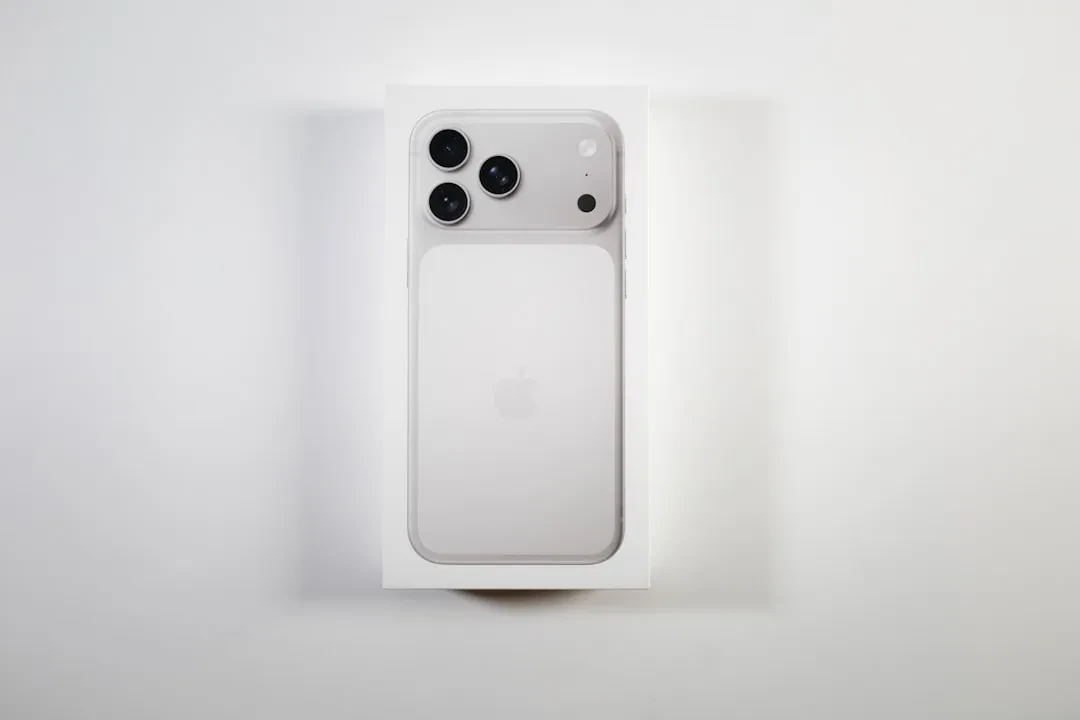
On the performance front, the iPhone 17 Pro has been crowned the fastest-charging smartphone overall in a CNET lab test of 33 devices. Credit goes to its relatively compact 4,252 mAh battery, smaller than the typical 5,000 mAh found in rivals, paired with 40-watt wired charging and 25-watt Qi2.2 wireless charging. In 30 minutes, the 17 Pro recovers 74% via cable, second only to Samsung's Galaxy S26 Ultra (76%), but it dominates the wireless category with 55%, beating everyone. The most impressive stat, however, is consistency: Apple's five iPhone 17 models averaged 54.6% charge in half an hour, compared to Samsung's 38.5% average. This speaks to software and hardware optimization without compromise, even though silicon-carbon battery technology remains exclusive to OnePlus, RedMagic, and Poco in the U.S.
Sponsored Protocol
Software Shifts and Ecosystem Wars
Hardware is only part of the story. The software landscape is shifting as well. Google just unveiled Gemini Intelligence, a unified AI platform across phones, watches, cars, and laptops, featuring cross-app automation that echoes Apple's Siri actions announced at WWDC 2024 and still not shipped. Apple, as announced in January, is partnering with Google to integrate Gemini models into its Foundation Models, aiming for a more personalized Siri later this year. Meanwhile, Google's new Fitbit Air, a screenless tracker priced at $99 (just 12 grams, seven-day battery), targets an entry-level segment Apple does not cover, given the Apple Watch SE starts at $249. As for the Apple Watch Series 12, rumors suggest a major redesign has been pushed to at least 2028, and Touch ID – which appeared in leaked code – has been deprioritized in favor of battery life improvements. A new chip is expected to be a meaningful upgrade from the S10, and watchOS 27 will be previewed at WWDC on June 8.
Sponsored Protocol
In parallel, Amazon has launched a killer deal: $249 off every model of the 2026 16-inch MacBook Pro with M5 Pro and M5 Max chips, bringing prices to all-time lows. Starting at $2,449.99 for the 24GB RAM and 1TB SSD configuration, it's a golden opportunity for professionals and creatives. For those seeking a more portable machine, discounts of up to $216 are still available on the 14-inch M5 Pro.
Sponsored Protocol
The China Pivot: Record Discounts and Fierce Competition
Apple's most strategic move, however, comes from China. The company has slashed prices on the iPhone 17 Pro series by 1,000 yuan (about $138) in anticipation of the 618 shopping festival, one of the country's largest mid-year retail events. On JD.com and Tmall, Pro models start at 6,999 yuan ($968), the lowest price since launch. The standard iPhone 17 also received its first notable markdown, dropping to 4,499 yuan ($622), which brings it under the 6,000-yuan threshold for China's national trade-in subsidy, adding another 15% off. The news quickly topped Weibo's trending list. Huawei responded by cutting prices on its high-end foldables, and analysts see this price war as a widening duel between Apple and Huawei for premium market dominance. Apple has already reported a record $26 billion in Chinese revenue for its fiscal first quarter, a 38% year-over-year increase that marks a sharp reversal after three years of decline. Tim Cook was just in China and left Beijing after accompanying the U.S. business delegation during the meeting with President Xi Jinping.
Sponsored Protocol
In summary, Apple is playing multiple cards simultaneously: aggressive Apple Card promotions with free AirPods Pro 3, technical recognition for the iPhone 17 Pro, deep discounts in China to consolidate recovery, and an evolving software ecosystem that sees Google as both partner and competitor. The coming months, with WWDC and the launch of watchOS 27, will reveal whether this multi-front strategy can withstand the pressure of rivals.