In the increasingly complex and delicate landscape of digital communications, every announcement concerning security and privacy reverberates loudly. This time, the epicenter of the debate is Apple and its relentless, though at times circuitous, march towards implementing end-to-end encryption (E2EE) for RCS messages exchanged between iPhone and Android users. After a brief but significant interlude of removal in the iOS 26.4 beta, the functionality has made a powerful comeback with the iOS 26.5 beta version, marking a potentially pivotal moment for universal messaging.
For years, the disparity in conversation security across different platforms has been a persistent sore point. iPhone users have long benefited from the intrinsic end-to-end encryption of iMessage, ensuring that only the sender and recipient can read message content. Concurrently, Android users have seen E2EE integrated into RCS messages exchanged among themselves. However, the barrier between the iOS and Android worlds has always remained permeable and vulnerable, with cross-platform RCS messages traveling unencrypted, lacking that fundamental protective shield. This disparity was not just a technical issue, but a real open wound in digital trust, leaving millions of conversations exposed to potential interception by third parties.
Sponsored Protocol
The Return of the Silent Hero E2EE for RCS
The reappearance of the end-to-end encryption option within the Messages section of the Settings app, specifically for RCS options in the iOS 26.5 beta, is not merely an update but a declaration of intent. As previously observed in the earlier testing phase, the setting is enabled by default, an unequivocal signal of the direction Apple intends to take. This strategic choice not only simplifies the user experience by guaranteeing maximum protection without requiring manual intervention, but also underscores the importance Cupertino places on privacy as a fundamental right, extending its reach beyond the confines of its proprietary ecosystem. It is a move that speaks volumes about a paradigm shift, where security is no longer an exclusive luxury but an inclusive feature.
Sponsored Protocol
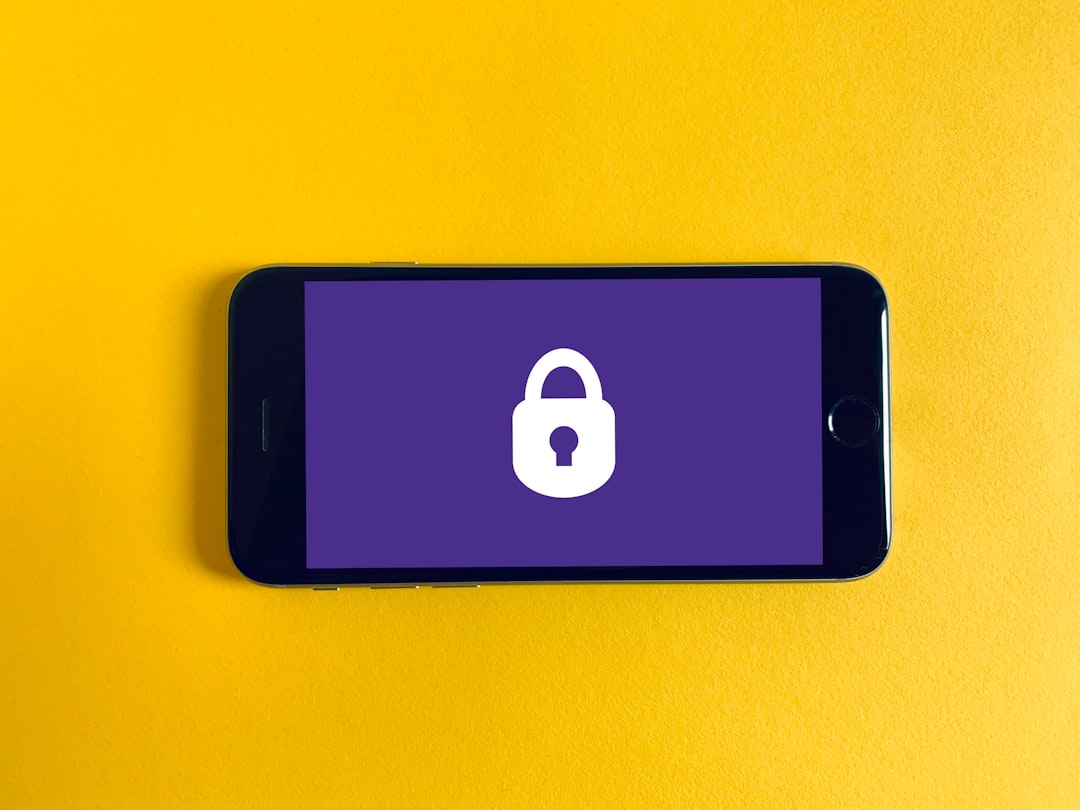
End-to-end encryption, for those unfamiliar with its inherent power, represents the gold standard of communication security. It ensures that once a message is sent, it is encoded in such a way that only the designated recipient can decrypt it. No intermediary, not even the messaging service provider itself, can access the content. This fundamental principle is what gives E2EE its invaluable worth, transforming every conversation into a private space inaccessible to prying eyes. The lock symbol, which will accompany encrypted conversations, will serve as a constant visual reminder of this protection, instilling greater confidence in users.
Implications and Future Prospects A New Horizon of Security
Although the functionality is still in beta and not immediately available to all devices or carriers in the iOS 26.5 version, its consolidation in the testing phase indicates a clear intention for widespread implementation. The implications of such a move are vast and transformative in scope. On one hand, Apple demonstrates strategic maturity, recognizing the need for interoperability and security in an increasingly interconnected world. On the other hand, it raises the bar for the entire industry, pushing other players to conform to higher security standards for cross-platform communications. This is not just a technical improvement but a significant step towards normalizing privacy as a default, non-negotiable aspect of digital communication.
Sponsored Protocol
The history of this integration has not been linear, with the initial removal from the iOS 26.4 beta raising doubts and speculation. However, its triumphant return suggests that Apple is addressing technical challenges with utmost seriousness, ensuring that the implementation is robust and reliable before the definitive launch. This methodical and cautious approach is crucial to guarantee that such a critical feature does not introduce new vulnerabilities or compatibility issues. For users, this means anticipating a solution that is not only secure but also fluid and intuitive in daily use, a difficult balance to achieve but essential for mass adoption.
Sponsored Protocol
In summary, the continued testing of end-to-end encryption for RCS messages between iPhone and Android in iOS 26.5 beta is not a minor technical detail but a milestone. It signals the potential end of an era of security fragmentation in mobile communications and the beginning of a new phase where privacy is a universal right, extended regardless of one's device operating system. It is a victory for transparency, trust, and ultimately, for all who believe in a more secure and private digital future.