The Australian government has ordered volunteers to dispose of thousands of SamKnows routers, rendering them unusable after the conclusion of the broadband monitoring program. These devices were distributed starting in 2020 as part of the Measuring Broadband Australia (MBA) initiative run by the Australian Competition and Consumer Commission (ACCC). Despite experts stating that the routers could easily be reflashed and repurposed, the government deliberately bricked them for security reasons. This decision raises questions about the management of public assets and environmental waste.
The MBA program and the SamKnows router distribution
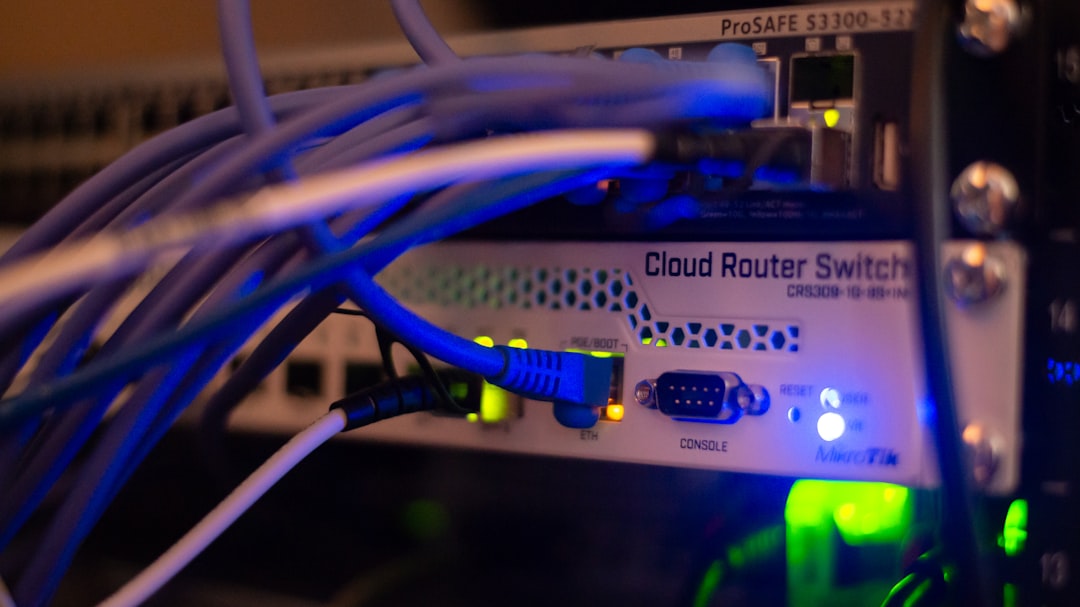
The ACCC, Australia's chief competition regulator, launched the MBA program to measure the actual performance of fixed-line broadband services, especially those delivered over the government-owned National Broadband Network (NBN). Thousands of volunteers received whitebox routers supplied by SamKnows, a company specializing in network performance testing. These routers performed periodic measurements to dedicated servers hosted in Australia, providing valuable data on service quality. Now that the program has concluded, the routers have become a liability.
Sponsored Protocol
The decision to brick the devices
According to the ACCC's final report, the routers were disabled to prevent unauthorized use, despite the technical possibility of reflashing them for continued operation. Industry experts argue that these devices could serve perfectly as standard home routers if reflashed, offering a second life to fully functional hardware. The government's choice has thus drawn criticism for resource waste and environmental impact. In an era where technology evolves rapidly, consider how Google updates Android Bench with new AI models, managing old devices is crucial.
Sponsored Protocol
Potential alternatives and lessons for the future
The tech community has proposed alternatives such as collecting the routers for reuse in educational projects or donating them to developing countries. Instead, the government opted for remote bricking, rendering them electronically dead. This case highlights the need for more sustainable policies for government hardware, especially in large-scale programs. For more on network infrastructure, see the Wikipedia page on the NBN.
Sponsored Protocol
Implications for volunteers and data management
Volunteers who participated in the program now have unusable routers with no recovery options. The ACCC provided disposal instructions, but many wonder why reuse was not permitted. The incident also raises questions about personal data handling, though the routers were used only for speed tests. In conclusion, the Australian case serves as a warning for other governments to plan the end-of-life of technological devices.