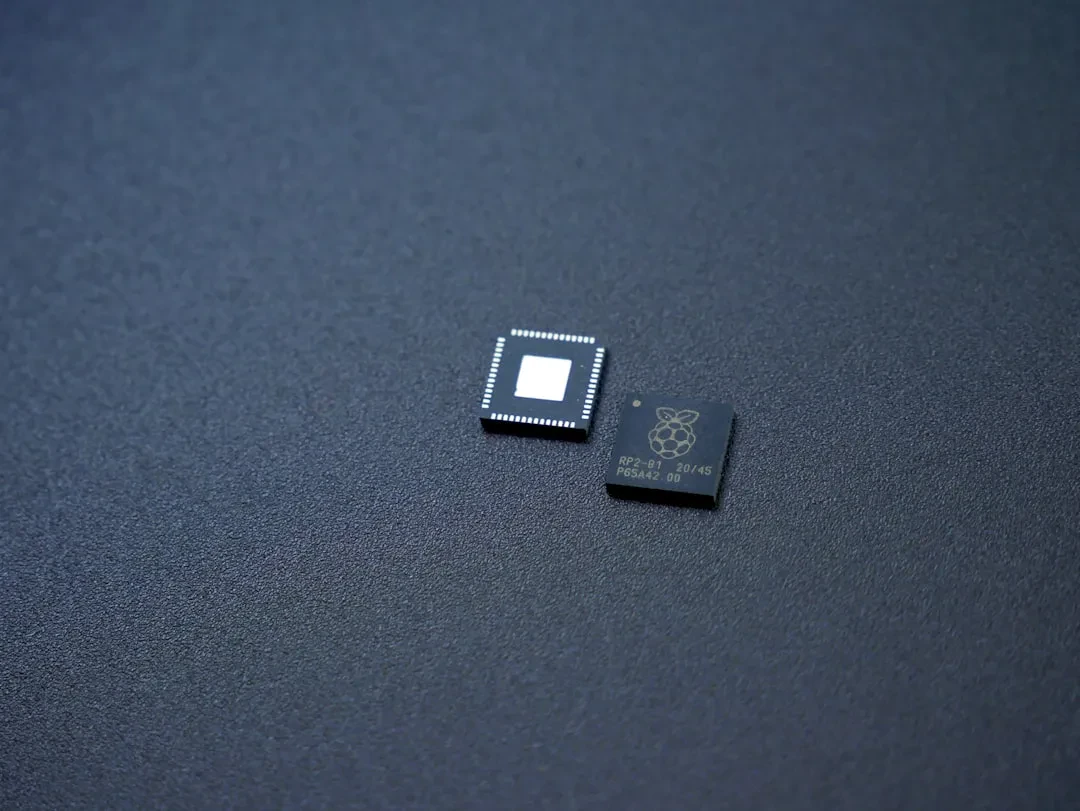
China has just greenlit the first invasive brain implant for human use. A chip directly inside the brain. Not a prototype, not a lab test: a regulatory approval that paves the way for commercialization. While Beijing accelerates, Europe remains stuck debating ethics and regulations.
The fact is simple: China is building the future of neurotechnology with massive investments, dedicated infrastructure, and a bureaucracy that knows when to step aside. Europe, on the other hand, piles up committees, guidelines, and precautionary stances. The result? The tech gap widens. And we, who work daily with Italian SMEs struggling to digitize a warehouse, ask ourselves: when the time comes to compete on these frontiers, will we still be just watching?
Why does it matter? It’s not only about medical ethics. The brain chip is the tip of an iceberg that includes semiconductors, AI, health data, cybersecurity. Whoever controls the production of these chips also controls the future of human-machine interaction. If Europe doesn’t invest now in applied research and BCI chip manufacturing, tomorrow it will pay royalties to Beijing or Silicon Valley. For Italian businesses, that means technological dependency, higher costs, sensitive data handled elsewhere. We already see this pattern in our clients’ servers: when software isn’t built in-house, you pay a subscription and lose control.
Sponsored Protocol
We, at Meteora Web, see it this way:
Europe doesn’t need more AI and neurotech regulations. It needs entrepreneurial courage and concrete public investment. We’ve been following companies since 2017: those who build their own tech stack have better margins and strategic independence. The same applies to nations. China chose to build, not just to regulate. We take a stand: technological neutrality is fluff. If you don’t play, you lose. The Chinese brain chip is just the latest warning. For Italy, it means we must stop funding only ethics committees and start funding labs, hardware startups, and chip fabs. Those who don’t invest in radical innovation today will buy technology at imposed prices in ten years.
Sponsored Protocol
What to do? If you’re a developer, dive into neurotech: demand for embedded and on-device AI skills will grow. If you’re an entrepreneur, push your trade associations to lobby for applied research incentives, not just Industry 4.0 handouts. And if you’re a policymaker, stop staring at the rearview mirror. The future is already here: it’s coming from China.