A stark paradox is splitting the tech world. On one side, a growing number of developers say they will no longer work without AI assistance, driven by perceived productivity gains. On the other, users and even new graduates are showing increasing resentment toward artificial intelligence invading their digital and work lives. According to a TechCrunch report, programmers who reject AI tools are seen as outdated, but researchers warn that speed does not equal superior code quality.
AI dependency in software development
More and more code is being generated by language models without a real grasp of fundamentals. Companies like ClickUp have already cut 22% of their workforce in favor of AI agents, fueling what Box founder Aaron Levie calls 'AI psychosis'. Tech layoffs in 2026 are already nearly matching all of 2025. The fear of being replaced drives many developers to blindly embrace automated assistants, but the result may be fragile, hard-to-maintain code.
Sponsored Protocol
The user counter-movement
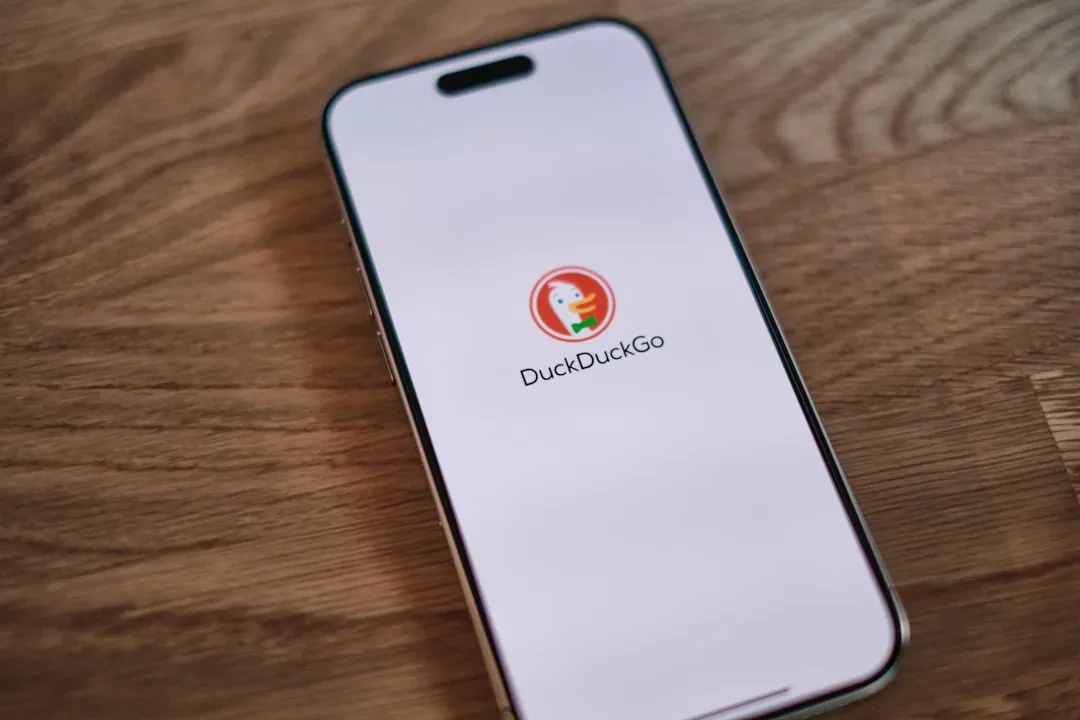
In parallel, DuckDuckGo saw a surge in traffic to its 'No AI' search option following Google I/O on May 19. Visits to the No AI page tripled on May 28 and have averaged 84% above baseline since then. Google introduced advanced AI suggestions, follow-up questions, and search agents, pushing privacy-conscious users toward alternatives like DuckDuckGo and Kagi. Even college graduates booed former Google CEO Eric Schmidt during a commencement speech at the University of Arizona, proving that AI enthusiasm is not universal.
Concrete implications for the industry
This clash creates a fork in the road. On one hand, companies risk investing in superficial automation while neglecting foundational skills taught in guides like Vue.js or React. On the other hand, users demand transparency and control. The lesson is clear: AI should be a tool, not a replacement for knowledge. Those who ignore this balance risk losing both talent and trust.
Sponsored Protocol