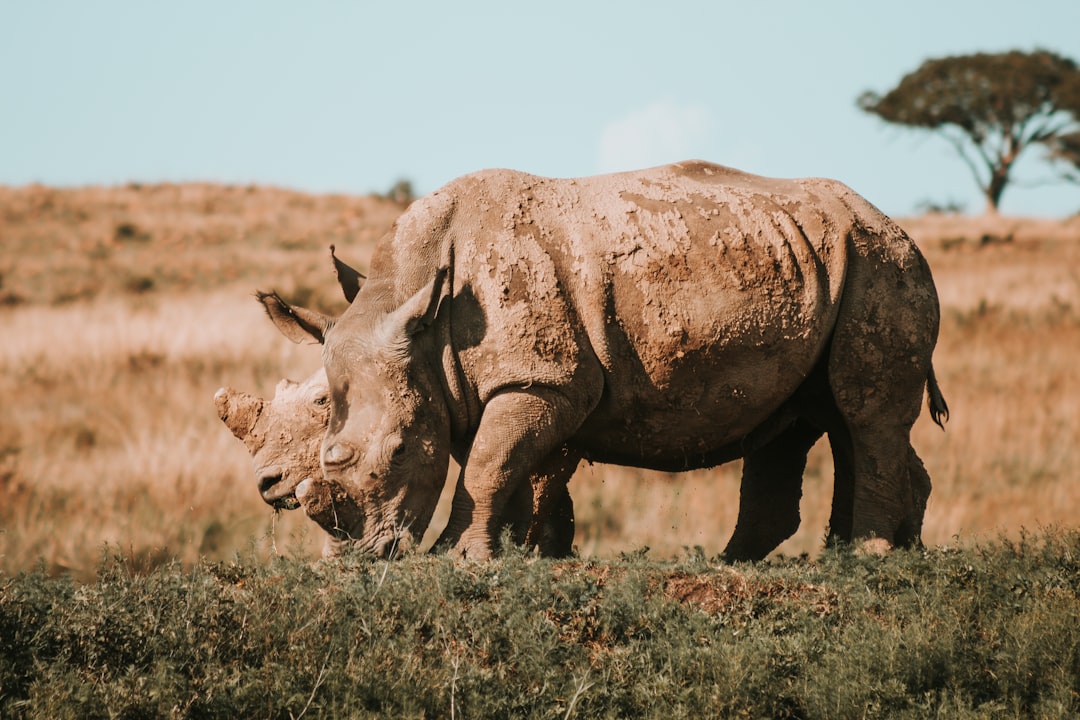
Colossal Biosciences, the de-extinction startup, has partnered with the US Fish and Wildlife Service to build a genetic 'BioVault' for endangered species. The project aims to collect DNA, tissue, and cell samples from over 2,300 plant and animal species protected under the Endangered Species Act, storing them cryogenically in Dallas. Colossal will sequence the samples and make data available to researchers, while the federal government retains ownership. CEO Ben Lamm stated: 'We want to back up as many species as we can.'
The BioVault as a Genetic Backup for Conservation
Collection has already begun using kits provided by Colossal to field partners. The initiative, costing tens of millions, offers a safety net for species on the brink. A precedent exists: in 2021, the black-footed ferret was cloned from cells preserved since the 1980s, showcasing the potential of cryobanking. However, the partnership comes amid the Trump administration's proposed rollbacks of the Endangered Species Act, including factoring economic considerations into habitat protection and eliminating automatic protections for threatened species. Interior Secretary Doug Burgum praised Colossal's dire wolf creation last year, criticizing the listed species as prioritizing 'regulation over innovation'.
Sponsored Protocol
Environmentalists Criticize the Strategy
Noah Greenwald, endangered species director at the Center for Biological Diversity, called the BioVault 'a last-ditch effort' that does not address habitat loss. 'This isn't biodiversity preservation. We'll only need this genetic material if the administration fails at recovering endangered species,' he said. The group has sued the administration over exemptions granted to oil drillers in the Gulf of Mexico via the so-called God Squad. Greenwald emphasizes protecting public lands instead of relying on technological fixes. While Europe's heat wave cripples the power grid, US tech policy seems to favor innovation over regulation, a stance Colossal CEO Ben Lamm acknowledges: 'They like technology, making money, and saving money.'
Sponsored Protocol
The Broader Implications of Genetic Banking
Colossal, valued over $10 billion, has also partnered with the United Arab Emirates to bank genetic material in Dubai's Museum of the Future. The company's ambitious projects include reviving the dodo and woolly mammoth to restore ecosystems. Yet critics argue that without adequate habitats, even a successful de-extinction would be futile. Lamm insists the BioVault is a 'redundancy backup', not a replacement for conservation. As political and environmental pressures mount, this biobank may become a crucial resource—or a symbol of missed opportunities to protect biodiversity in the wild.
Source: https://www.wired.com/story/colossal-interior-department-team-up-endangered-species-dna