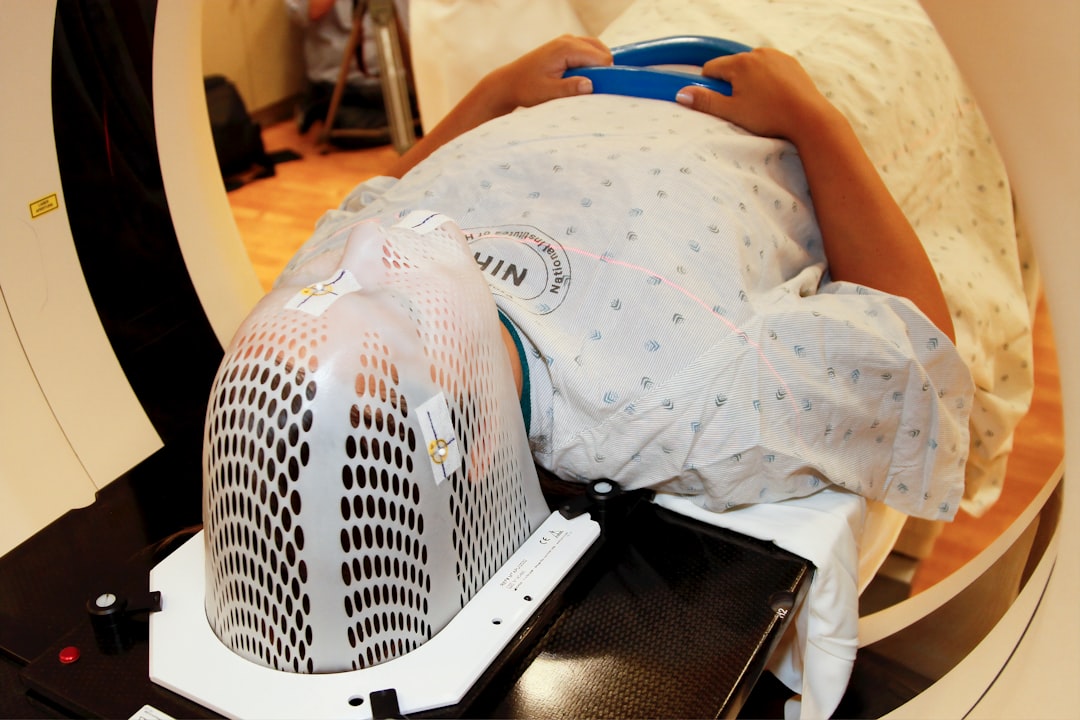
Connor Christou, founder of Keragon, faced a non-Hodgkin lymphoma diagnosis with a methodical approach. Despite an optimized lifestyle and perfect annual checkups, an aggressive 11x11x8 cm tumor was discovered incidentally behind his sternum. His story demonstrates how artificial intelligence can supplement medical decisions and avoid unnecessary treatments.
A tumor found by chance and two conflicting oncology opinions
Christou, aged 35, monitored his health with wearables and deep blood analyses. A 2025 checkup was flawless. Then, after noticing a mild symptom, a CT scan revealed the mass. The first oncologist recommended a lighter chemotherapy with a 60% estimated success rate. The second suggested an intensive regimen with 85% cure probability. Christou gathered 11 additional opinions: the majority favored the harder path, which he followed.
AI as a second opinion tool during chemotherapy
During six months of treatment, he wore a Whoop to track immune fluctuations and kept a symptom journal via voice transcription. He fed all data — blood tests, scans, wearables output — into Claude, Anthropic's AI model. The AI did not replace doctors but helped ask sharper questions, especially for a rare condition an oncologist might see once a year.
Sponsored Protocol
Ambiguous PET scan: AI identifies a false positive with 90% probability
At treatment end, the control PET scan was ambiguous. The oncologist was considering radiotherapy near heart and lungs. Christou uploaded all images into Claude, which recognized a known but often overlooked phenomenon: thymus rebound after chemotherapy in patients under 40. The probability of a false positive was 90%. Three additional opinions confirmed reactive thymus, avoiding harmful radiation.
This experience highlights the limitations of the current healthcare system, where overburdened doctors may miss crucial details. Christou, who built a platform to automate administrative medical operations, emphasizes how AI can fill such gaps. However, experts like Danielle Bitterman of Mass General Brigham caution that general-purpose chatbots are not validated for personalized diagnoses. Conscious use of AI as support, not substitute, is key.
Sponsored Protocol
Christou's story fits into a broader debate on AI reliability in medicine. For those seeking insights, recent OpenAI restrictions in Europe raise questions about access to these tools. Read the article OpenAI tightens API access in Europe to understand how new rules may impact SMEs. Also, another relevant case involves Google's warning about search data vulnerabilities under upcoming EU regulations.
For scientific background, consult Wikipedia's page on non-Hodgkin lymphoma.