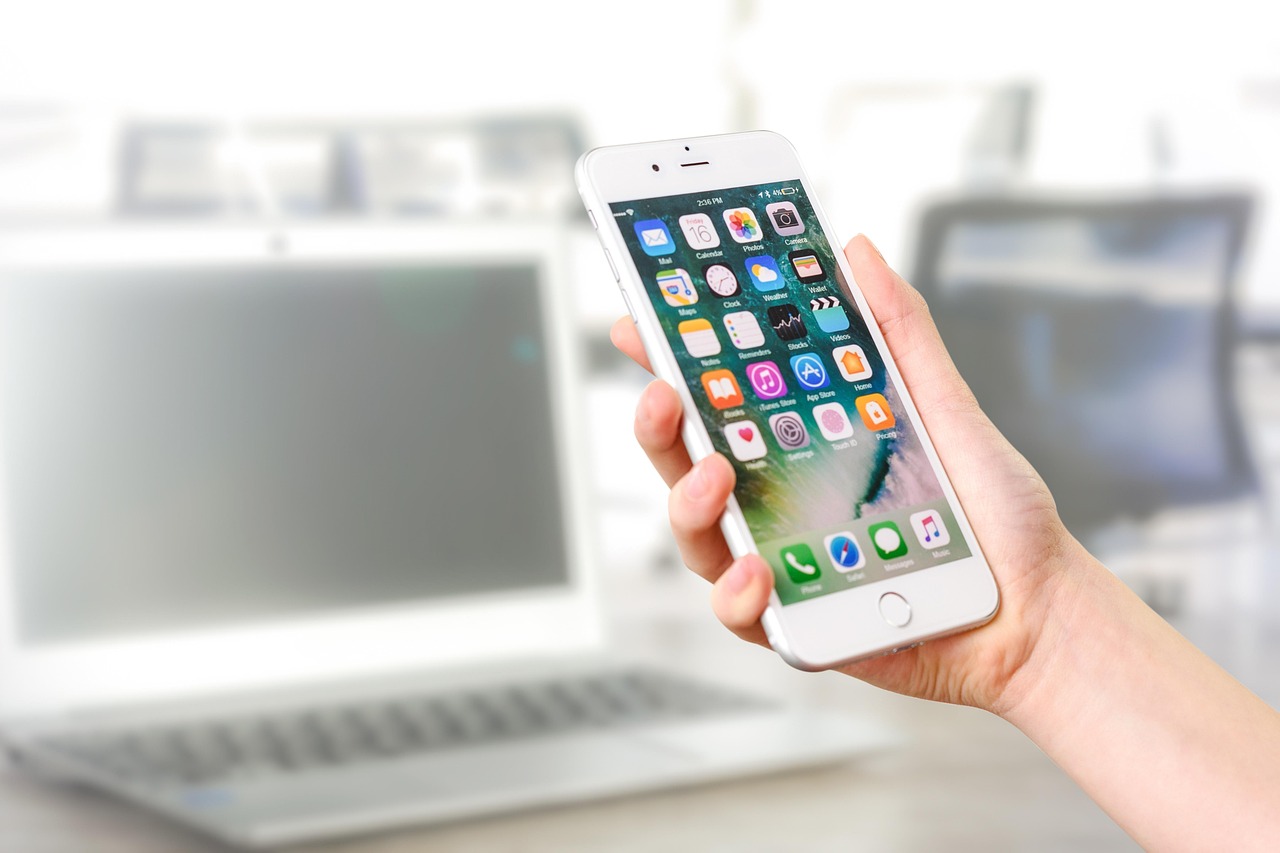
A team of researchers at ETH Zurich has developed a new type of pixel capable of both emitting and analyzing light simultaneously. This innovation could lead to displays that function as cameras, opening up groundbreaking possibilities for gadgets like smartphones, monitors, and billboards. The pixel, called the Fourier pixel, relies on nanoscale surface sculpting to control and read the intensity, oscillation, phase, and polarization of light.
How the Fourier Pixel Works
The name derives from the Fourier transform, a mathematical tool that breaks down complex signals into simple waves. The researchers etched tiny ridges onto the pixel's surface at the nanometer scale, creating a structure that interacts with light in a controlled manner. When light hits the pixel, it is scattered and simultaneously analyzed, allowing the device to gather information about the incoming light beam while generating the visible image. According to the study published in Nature, this approach establishes a scalable, universal architecture for vectorially programmable pixels, with applications in adaptive optics, holographic displays, optical communication, and quantum information processing.
Sponsored Protocol
Potential Applications and Privacy Concerns
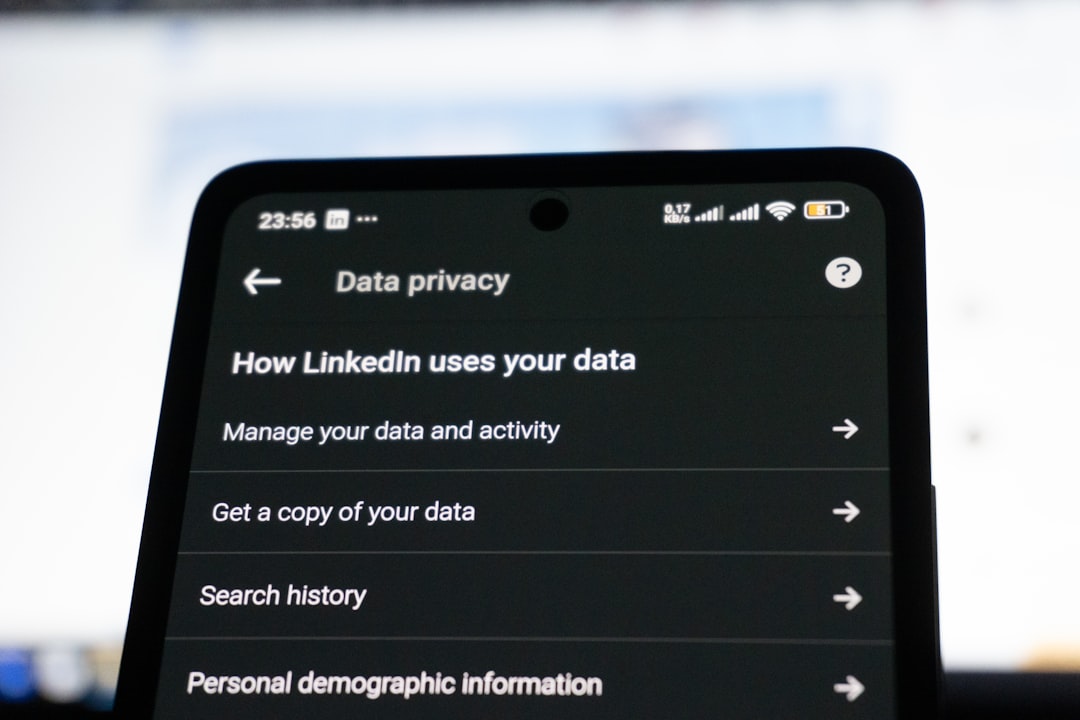
The prospect of screens that are also cameras has sparked excitement but also fear. On Reddit, many users immediately raised surveillance concerns, comparing the technology to the telescreens from George Orwell's 1984. One user wrote: Screens that are also cameras, what could go wrong?
Another stated they would never buy a device with that technology. These reactions reflect growing privacy awareness, especially after incidents like the Tata Electronics data breach that exposed 200,000 confidential Apple files. While the technology is still in its early stages, experts believe countermeasures could be developed to prevent misuse.
Sponsored Protocol
Technical Challenges and Future Prospects
Currently, Fourier pixels require laser light as a source and are fixed in what they can display, unlike a TV screen that can show varied content. However, the researchers indicate several pathways to overcome these limitations, potentially integrating the technology into consumer displays within a decade. This breakthrough comes as other industry players innovate, such as Samsung with the Galaxy S26 Ultra dropping to $919 during Prime Day. For more on the mathematical foundation, see the Wikipedia page on the Fourier transform.
Sponsored Protocol
The research marks a significant step forward, but the path to commercial products remains long. Meanwhile, the debate over balancing innovation and privacy will continue to fuel online discussions.