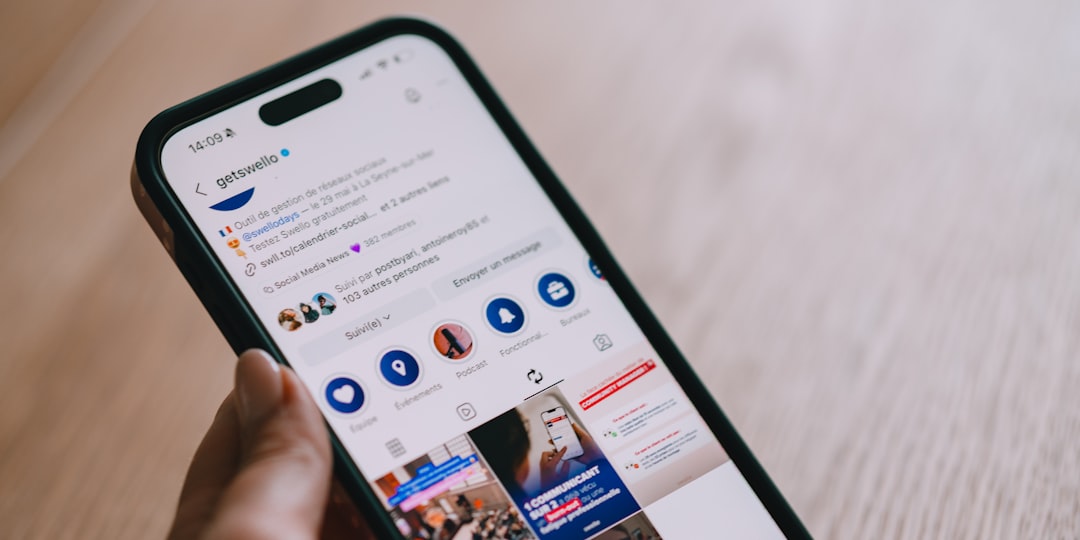
The European Commission has unveiled a proposal that could reshape the relationship between teenagers and digital platforms. The plan includes a complete ban on social media for children under 13, unless under parental supervision, and a phased access regime for adolescents aged 13 to 16, conditional on platforms proving they are age-appropriate and safe.
Ursula von der Leyen: a harmonized EU-wide pause from social media
Commission President Ursula von der Leyen stated that the goal is not to prevent children from accessing social media, but to determine whether and when social media can access children. This phrase captures the proposal's philosophy: shifting the burden of proof from families to companies to demonstrate the safety of their services for minors. The measure, reported by the Financial Times, fits into an already active regulatory landscape. The EU has already warned Meta that infinite scrolling on Instagram and Facebook may violate EU law. Its creator, Aza Raskin, regretted the invention as early as 2019.
Sponsored Protocol
Gradual access from 13 to 16 on certified platforms
The proposal goes beyond a simple ban. For the 13-16 age group, a model of phased access is envisioned: platforms must obtain a certification of suitability, proving they have implemented effective minor protection measures such as content filters, time limits, and enhanced reporting systems. Only after passing this evaluation can they offer services to teenagers. Non-compliant companies risk heavy fines, consistent with the Digital Services Act.
The link between social media and teenage mental health
The regulatory push stems from solid scientific evidence: there is a clear causal link between heavy social media use and declining teenage mental health. International studies show increased anxiety, depression, and sleep disorders correlated with time spent on platforms like TikTok and Instagram. Europe follows Australia and the UK, which have already set a minimum age of 16, but adopts a more gradual approach, considered less disruptive to teens' social development.
Sponsored Protocol
The proposal aligns with another recent Commission initiative requiring health apps like Samsung Health to tie data synchronization to explicit consent for AI training. This signals Brussels' intent to tightly regulate personal data use, especially concerning minors.
Sponsored Protocol
A global trend: 15 countries already taking action
The European initiative is not alone. Austria, Denmark, France, Germany, Greece, Malaysia, Norway, Poland, Portugal, Slovenia, South Korea, Spain, UAE, UK, and Vietnam have already passed or are preparing similar laws. In the US, pressure for a federal ban is growing: a 2024 reader survey by 9to5Mac showed overwhelming support. If approved, the European regulation could become a global model for online child protection, imposing uniform standards across the single digital market.
For further reading, see the Wikipedia entry on the Digital Services Act, the EU regulation framing these new measures.