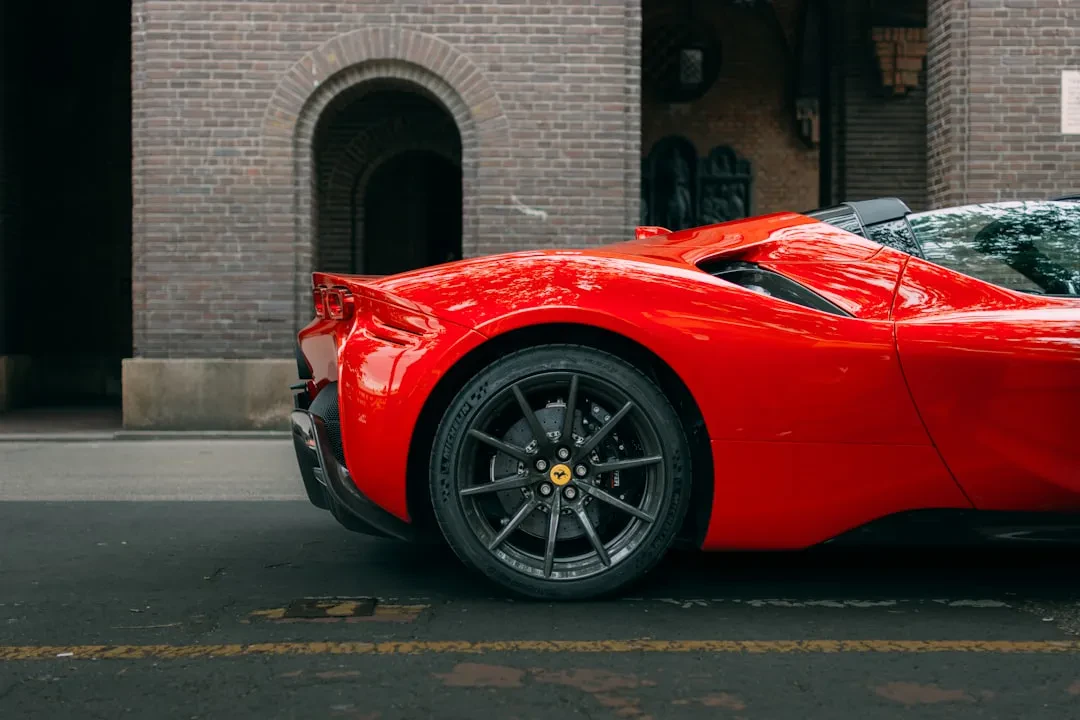
Ferrari's first electric car, the Luce, has sparked a heated debate among enthusiasts and industry experts. At the same time, Nike has unveiled chemically recycled jerseys for 16 World Cup teams, drawing criticism over true sustainability. Both cases highlight how technological innovation in automotive design and textiles faces real-world limits.
Italian experts weigh in on Ferrari Luce design
Three Italian automotive professionals analyzed the Ferrari Luce for Wired. The design of Maranello's first EV is described as bold but polarizing. Some praise the fluid lines and aerodynamic integration, others miss traditional elements like round headlights. The consensus is that the Luce represents a necessary break from the past for the electric era, yet it risks diluting brand identity. This division shows that the electric transition is not just technical but also aesthetic and cultural.
Nike's World Cup kits: a sustainability illusion?
Nike used chemical recycling to create jerseys for 16 national teams. The process breaks down used textiles into polymers to make new yarns. However, according to Wired, this method does not solve fashion waste. Chemical recycling requires energy and resources, and most garments still end up in landfills. Nike focuses on product innovation, but without systemic changes in production and consumption, the impact remains marginal. The story underscores the gap between green marketing and real sustainability.
In summary, both the Ferrari Luce and Nike's uniforms show that technological innovation, however advanced, must contend with cultural expectations and structural limits. Design and sustainability remain tension fields where progress is real but never linear.
Sponsored Protocol