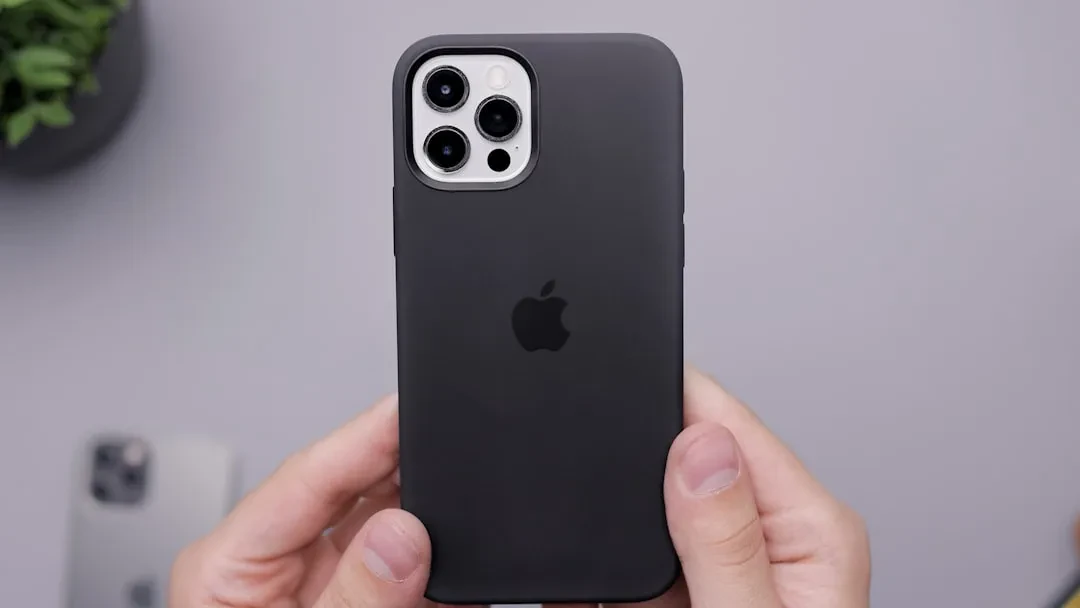
The mystery surrounding Apple's first foldable iPhone is thickening yet partially clearing thanks to a tangible clue. Accessory makers, known for anticipating launches with surprising accuracy, have started listing the first protective cases for the device. Listings from iFunSmart, a well-known accessory brand, offer an unprecedented glimpse at the foldable's external design, corroborating most of the rumors that have circulated in recent months.
The case images, picked up by specialized sites like iPhoneSoft, show a discreet rear camera module with only two lenses, a slim profile, and a circular cutout for wireless charging. The product descriptions mention military-grade drop protection, integrated N52 magnets, a translucent matte finish, and raised edges to protect the camera and screen. Notably, the case design is split into multiple snap-on sections, a necessary feature for a folding device that opens and closes.
Sponsored Protocol
Confirmations and Technical Details from the Cases
The presence of only two lens holes aligns with predictions that Apple will skip the telephoto lens, opting instead for two 48-megapixel sensors. A significant detail is the cutout for the Camera Control button, while no trace of the Action button appears, possibly absent or replaced by other input methods. The placement of N52 magnets in the cases does not automatically imply that Apple has integrated MagSafe directly into the phone's chassis. It is possible that the magnets serve exclusively to attach external accessories like power banks and car mounts, without aligning with an internal magnet array. This strategy would help maintain the device's ultra-thin profile, estimated at around 9.5mm when closed and about 4.5mm when open.
Rumors, now well-established, paint a precise scenario for the launch expected in fall 2026, alongside the iPhone 18 Pro series. The external display should measure 5.5 inches, while the inner foldable display would reach 7.8 inches. On board, we would find the A20 Pro chip with 12GB of RAM and, as a first for an iPhone, Touch ID integrated into the side button instead of Face ID. The starting price is expected to be around $2,000, positioning it as a high-end product. For those following the Apple ecosystem, the recent software updates and service changes, as described in this article about Trade-In and Podcast updates, show Cupertino carefully preparing the ground for its first foldable.
Sponsored Protocol
The appearance of these cases, as often happens, is just the beginning of an avalanche of accessories that will flood the market in the coming months. Their historical accuracy is notable, as case makers cannot afford to get dimensions wrong and risk having no products ready at launch. However, it is worth remembering that these are still products based on preliminary CAD drawings and dummy units, such as those shown earlier by leaker Sonny Dickson. The final design may still hold small surprises, but the overall picture seems drawn. Apple is preparing to enter the foldable market with a device that focuses on elegance and integration, sacrificing compromises like the telephoto lens to prioritize thinness and durability. For a deeper look at the ethical challenges AI is facing in this same period, you can read this piece on AI contradictions. The road to launch is still long, but the first concrete step toward reality has been taken.
Sponsored Protocol
To better understand the history of foldable devices and their technological impact, you can consult the Wikipedia page on foldable smartphones.