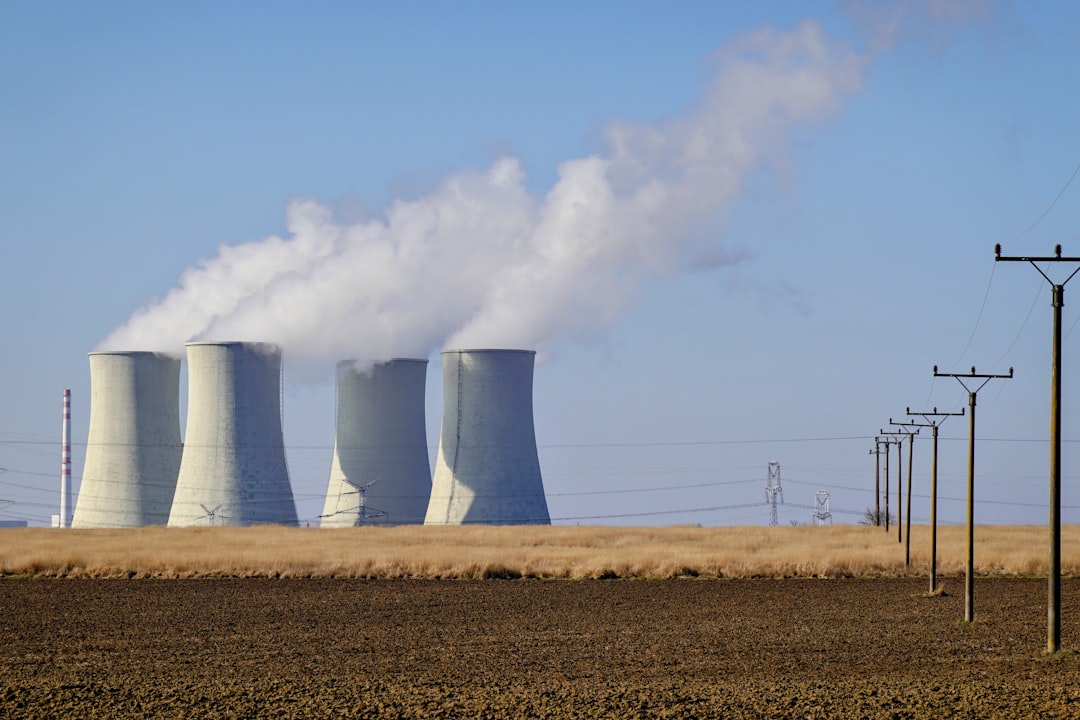
The record temperatures sweeping across Europe this week are not only endangering people's health but also straining the power grid in unprecedented ways. A notable example is the Golfech nuclear power plant in southern France, which had to shut down one of its reactors because the river water used for cooling became too warm. This incident highlights the vulnerability of Europe's energy system to a changing climate.
Extreme heat reduces generation capacity
Nuclear and thermal power plants rely on water for cooling. When river temperatures rise above a certain threshold, regulations require a reduction in output or even a shutdown to protect ecosystems. At Golfech, unit two was halted for this reason, while unit one was already offline for scheduled maintenance. The result is less electricity available at a time when demand is surging due to air conditioner use.
Sponsored Protocol
The triple squeeze on supply and demand
According to Simone Tagliapietra, a senior fellow at the Bruegel think tank, the pressure on the grid comes from a triple squeeze: cooling demand rises sharply, power plants and transmission lines become less efficient, and some thermal and nuclear plants must cut output because cooling water is too warm or scarce. This trend is set to intensify as climate change pushes summer temperatures to unprecedented levels.
Differences between Europe and the United States
In the United States, nearly 90% of homes have air conditioning, and electricity demand peaks in summer. In Europe, only about 20% of homes are equipped with AC, with much lower rates in countries like the United Kingdom (5%) and Germany (3%). However, as heat waves become more frequent, the installation of air conditioners is rising, boosting summer electricity demand. This is shifting traditional seasonal patterns while historically peak demand occurred in winter for heating, summer is becoming equally critical.
Sponsored Protocol
Implications for grid planning
Grid management must adapt. In Europe, scheduled maintenance outages typically occurred in spring and summer, but with rising summer demand, this strategy becomes risky. The Golfech incident shows how a combination of planned maintenance and forced shutdown can drastically reduce available capacity. Furthermore, utilities are forced to buy power from neighboring countries, driving up prices for everyone.
Sponsored Protocol
Future outlook
The current heat wave is just a taste of what may come. With the arrival of the El Niño pattern, 2027 could be even hotter. To address these challenges, rapid increases in generation capacity, enhanced transmission networks, and more efficient cooling technologies are needed. Just as the surge in component costs led to recent price hikes, such as the M4 Pro Mac Mini due to memory cost increases, energy is also becoming more expensive due to climate change. Today's policy and industrial choices will determine the resilience of tomorrow's power grid. For further reading, see the original article on MIT Technology Review.
Source: https://www.technologyreview.com/2026/06/25/1139690/europe-heat-wave-grid