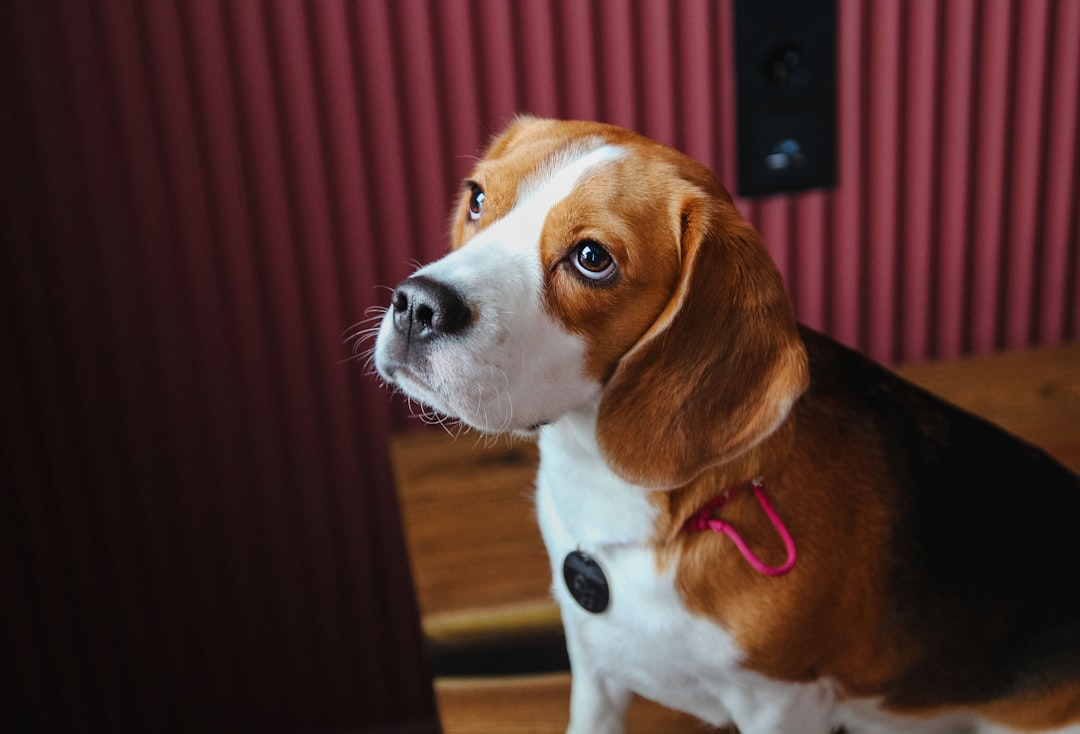
The biotech company Kindred Companion Sciences has unveiled two beagles, Bailey and Alfie, created through gene editing that removes the protein responsible for most dog allergies. The puppies, born from embryos modified with Crispr technology, do not produce the Can f 1 protein found in dander, hair, and saliva, which triggers sneezing and watery eyes in millions of people. This achievement, published in The Crispr Journal, represents a concrete step toward creating hypoallergenic dogs on a large scale.
The scientific journey from academic research to startup
The idea originated during studies at Harvard and Columbia, where Kindred founder Adam Walker used Crispr in lab experiments. Walker, who suffered from allergies and dreamed of owning a dog, wondered if it was possible to eliminate the allergen at its source. After years of work, he founded Kindred Companion Sciences in 2020, which now emerges from stealth with the two puppies as tangible proof. The team took skin cells from a female beagle and used Crispr to remove the gene that produces Can f 1. Then, using somatic cell nuclear transfer, they implanted the edited eggs into a surrogate mother. Of the 25 embryos created, two came to term, resulting in Bailey and Alfie.
Sponsored Protocol
Clinical verifications and allergy tests confirm the absence of the protein
The researchers conducted a series of tests to confirm the effectiveness of the editing. DNA sequencing verified the presence of the modification, while saliva and dander samples from the two beagles showed no traces of the Can f 1 protein, unlike a non-edited beagle, poodle, and golden doodle. To test human reactions, Walker underwent a skin prick test: drops from the edited dogs caused no reaction, while those from normal dogs caused irritation. For a year and a half, Walker has lived with Bailey without ever experiencing allergy symptoms, an experience he describes as a source of joy and personal enrichment.
Sponsored Protocol
Comparison with previous attempts and future prospects
This is not the first attempt to create hypoallergenic pets through gene editing. Previously, a Crispr-edited cat was featured on the cover of the same journal, but results were limited to cells. A South Korean group later produced a cat named Alsik with low levels of the Fel d 1 allergen. Kindred, however, has achieved healthy, living dogs with immediate commercial potential. Gene editing expert Fyodor Urnov from UC Berkeley praised the approach, noting that editing can and should address real problems for humanity. He also suggested the technique could improve dog health, reducing inherited issues while preserving breed traits. Kindred plans to extend the technology to other breeds and to create hypoallergenic service dogs, but has not provided a timeline for commercialization. Walker clarified the goal is not novelty for its own sake, but the well-being of those who live with animals.
Sponsored Protocol
Source: https://www.wired.com/story/gene-edited-puppies-wont-trigger-allergies