Mountain View is experiencing a dense May of announcements that reshape the relationship between users, artificial intelligence, and privacy. Three distinct updates are tied by a common thread: the will to make the Google ecosystem smarter without sacrificing user control. From Gemini-powered smart home cameras to approximate location sharing on Chrome and the big Android Show livestream on May 12, Google is drawing a clear roadmap for 2026.
Gemini enters the living room: Google Home cameras become smarter
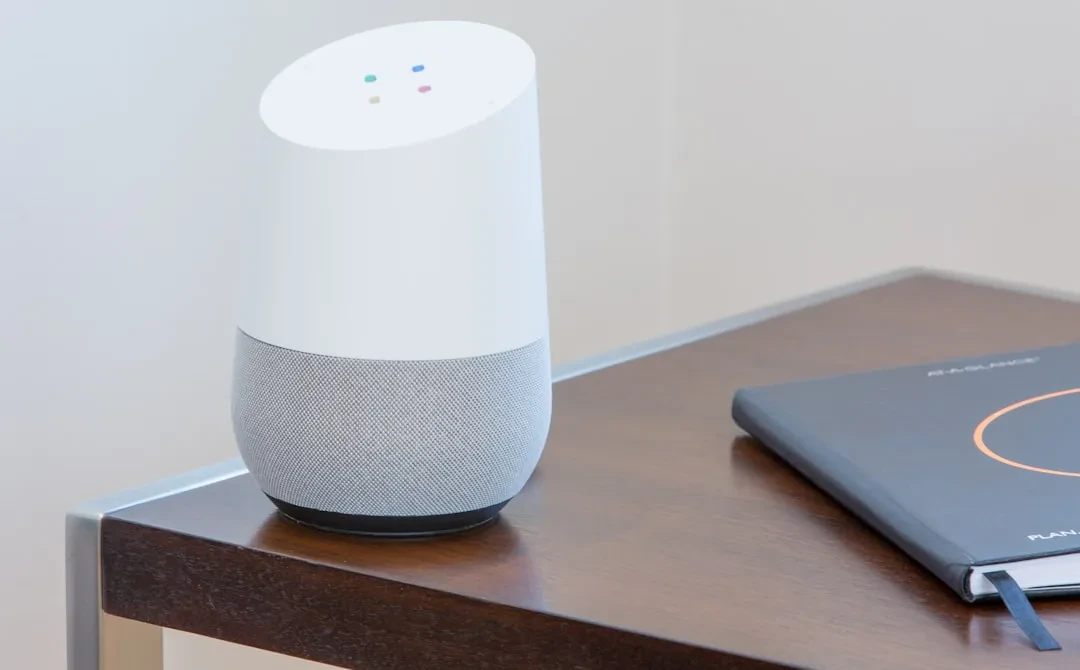
One of the most significant updates concerns the integration of Gemini, Google's generative AI model, into the Google Home camera system. The feature is already available to some users in early access. It allows cameras not just to detect a face or motion, but to understand context. Imagine a camera that not only detects a person but understands if they are carrying a package, whether they are a family member or a stranger, and provides a natural language text description of the event. This represents a leap forward compared to traditional rule-based detection systems. Gemini processes the video feed either on-device or in the cloud, depending on setup, and allows users to query the history with questions like "show me when the mailman left the package today". The implementation is still in testing but hints at a future where the home assistant is no longer just vocal but visual and predictive. For deeper insight into AI's growing role in consumer platforms, check our analysis on how 2026 is reshaping the AI agent ecosystem.
Sponsored Protocol
Chrome on Android introduces approximate location: a step forward for privacy
In parallel, Google announced a new feature for Chrome on Android: the ability to share only approximate location with websites instead of precise coordinates. When a site requests geolocation access, users can choose to provide an area of a few kilometers radius instead of exact coordinates. Inspired by mechanisms already present in iOS, this feature balances the need for location-based services (like weather, maps, deliveries) with privacy protection. The feature will soon extend to desktop versions as well. This is a clear signal: Google wants to anticipate growing regulatory pressures and user demands for more data control. In a context where companies like Instagram recently stepped back from end-to-end encryption, Google's move appears counter-trend and could influence industry standards.
Sponsored Protocol
Android Show livestream on May 12: what to expect from the OS overhaul
Finally, Google announced that on May 12 it will livestream "The Android Show: I/O Edition", a virtual event dedicated to the most important changes in the operating system. After years of incremental evolution, the company promises "the biggest changes in years" for Android. Rumors point to a deep interface redesign, new on-device AI APIs, and tighter integration with Gemini at the system level. Choosing a livestream format over a classic keynote may indicate a more direct approach to developers and enthusiasts. The event will be crucial to understand how Google plans to compete with Apple's recent moves, such as iOS 27 opening up to third-party AI models. This could be the moment Google reveals a completely new voice assistant based on Gemini, replacing the old Google Assistant. For a complete overview of current trends, you can consult official sources like Wikipedia on Google Gemini to grasp the technological scope of the model.
Sponsored Protocol
In summary, Google is racing on three tracks: home AI, granular privacy, and mobile platform. The challenge is to maintain leadership in the digital ecosystem as users become more demanding in terms of transparency and control. 2026 is shaping up to be a turning point, and these three updates are just the appetizer for what we will see in the coming months.