As the tech ecosystem holds its breath ahead of the mid-May mega event, Google is preparing to unveil some of the most anticipated innovations of the year. The developer conference Google I/O, taking place on May 12, will be streamed live on YouTube through The Android Show, a revamped format that promises to tell Mountain View's latest news in a more engaging way. Among the stars of this edition is a device already sparking debate for its boldness: the Fitbit Air, a screenless wearable that redefines the concept of health monitoring.
Fitbit Air: Extreme Minimalism with Integrated AI
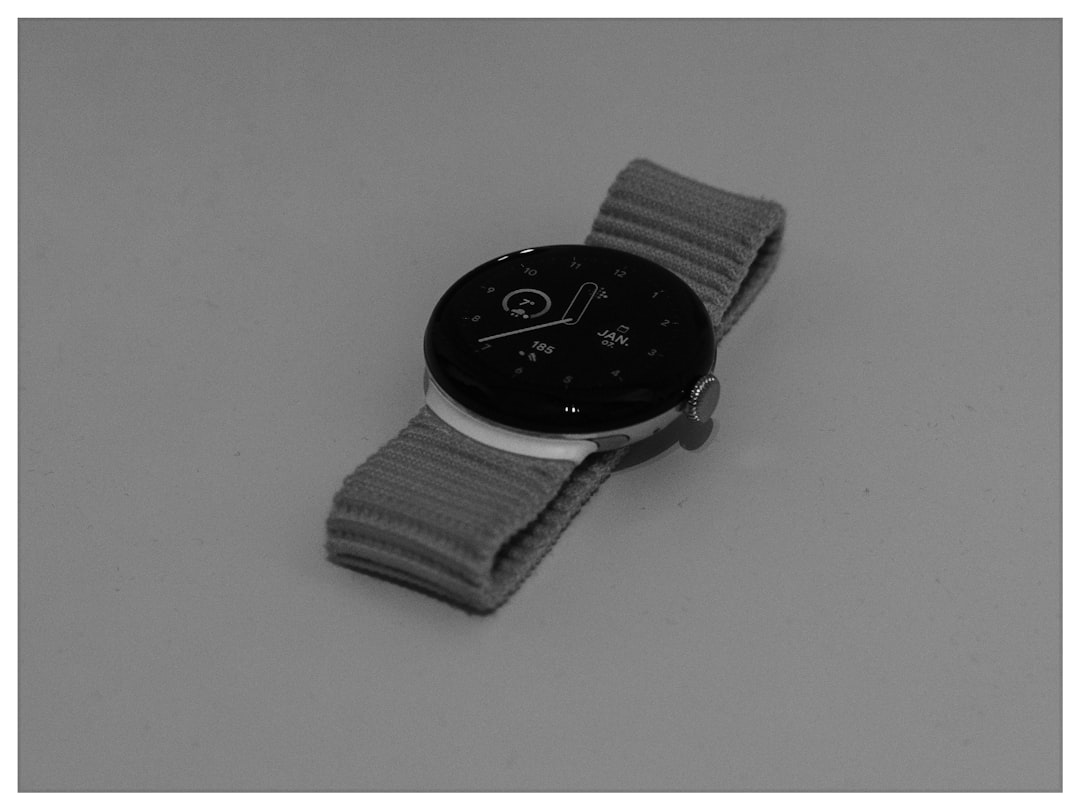
Google's new wearable completely abandons the traditional display to focus on advanced sensors and artificial intelligence. The Fitbit Air presents itself as a small module that can be clipped onto clothing or skin, capable of tracking vital parameters such as heart rate, blood oxygen saturation, and sleep quality without any visual interface. The real innovation lies in its integration with Google's AI Health Coach, a virtual assistant recently launched at $9.99 per month, able to analyze collected data and offer personalized recommendations in real time. This move marks a decisive departure from traditional smartwatch design, aiming instead for a more passive and discreet experience where interaction occurs primarily through voice and smartphone notifications.
Sponsored Protocol
As we previously analyzed in a related article, AI assistants are conquering every aspect of daily life, and the Fitbit Air represents another step forward in that direction. Without a screen, reliance on artificial intelligence becomes total: the device not only collects data but interprets it and acts accordingly, sending reminders to move, flagging sleep anomalies, or suggesting breathing techniques to reduce stress.
A Bet on the Future of Wellness
The decision to remove the screen is not just a design gimmick but a clear strategy. Google aims to democratize health monitoring by reducing production costs and extending battery life. The Fitbit Air could last weeks on a single charge, a huge advantage over traditional smartwatches. Moreover, the absence of a display eliminates the temptation to get distracted by visual notifications, aligning with digital wellbeing trends that prioritize reducing screen time for many users.
Sponsored Protocol
It is no coincidence that Google chose to launch this product at Google I/O 2026, as part of a broader strategy to unify the health ecosystem. The recent chip crisis has severely impacted the industry, but Google seems to have found a smart solution: a device with essential components, less dependent on the most advanced semiconductors and therefore more resilient to market fluctuations. The Fitbit Air could become a game-changer for the wearable segment, pushing other manufacturers to rethink the role of the display in wearable design.
Sponsored Protocol
According to early reports, the Fitbit Air will be compatible with the entire Google Fit platform and the voice assistant, but it is unclear whether it will support third-party apps. The real challenge will be convincing users to give up the screen, a significant cultural shift. However, if the AI Health Coach proves effective, success may be guaranteed. The expected price is around $99, positioning it as an affordable alternative to more expensive smartwatches.
For more information on the history of wearables and the evolution of biometric sensors, you can consult the Wikipedia page on wearable technology.