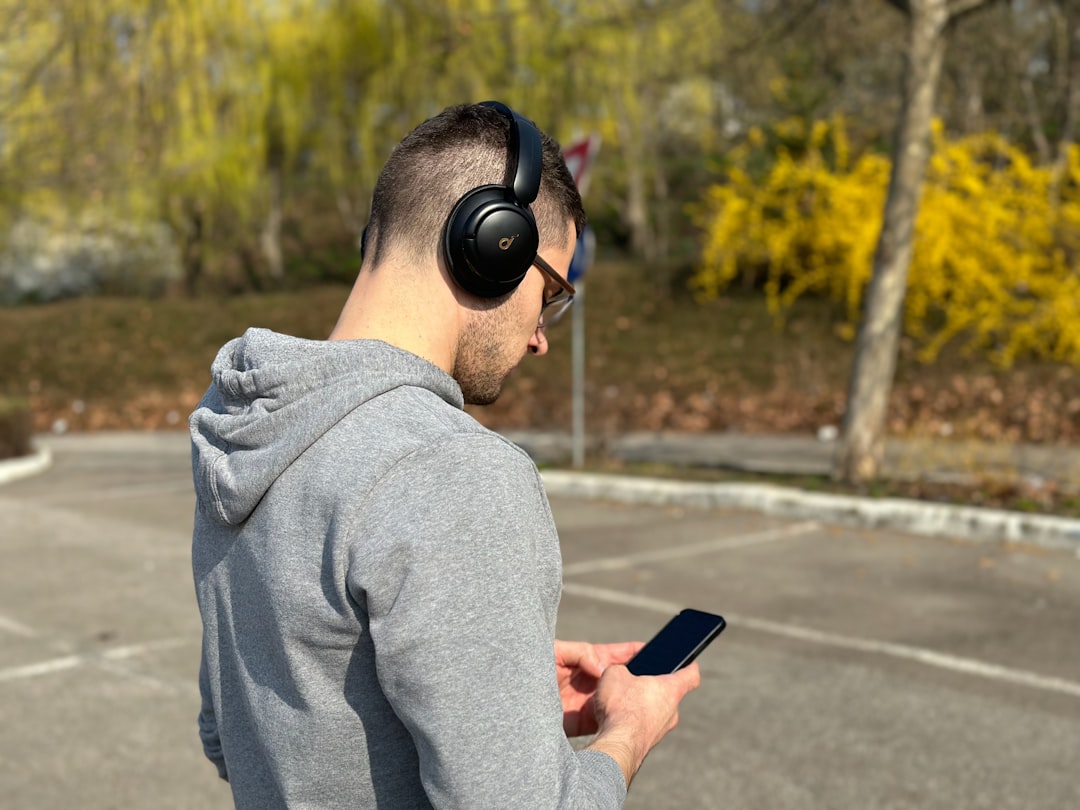
Google Translate takes another step forward in breaking down global language barriers. The real-time headphone translation feature, previously only available on Android, is now also accessible to iOS users. This significant update promises to make communication between people speaking different languages even more fluid and immediate, while simultaneously expanding its geographical reach to numerous new countries.
An Increasingly Solid Global Language Bridge
The innovation introduced by Google Translate aims to transform the travel experience, international professional interactions, and even daily conversations. Imagine being able to converse with someone who speaks another language, hearing the translation directly in your headphones almost instantly. This technology, which once seemed like science fiction, is now a tangible reality thanks to Google's continuous efforts in the fields of artificial intelligence and natural language processing. The expansion to iOS is a crucial milestone, given the wide user base of the Apple platform. This means millions of new users will be able to benefit from this powerful feature, opening new opportunities for connection and mutual understanding.
Sponsored Protocol
Beyond Language Barriers with AI
The heart of this innovation lies in the progress made by Google in artificial intelligence. The algorithm is capable of processing speech, translating it, and reproducing it with minimal latency, while maintaining a high degree of accuracy. This is particularly useful in contexts where communication needs to be fast and spontaneous. Integration with Bluetooth headphones makes the user experience almost invisible, allowing for natural conversations without the need for intermediaries or cumbersome tools. This development fits into a broader context of innovations featuring AI as the protagonist, as demonstrated by recent developments in memory compression with algorithms like Google TurboQuant, or the integration of AI into voice assistants to improve interactions, a theme that also touches on the evolution of assistants like Siri, as discussed regarding the opening of Siri to External AI Chatbots.
Sponsored Protocol
Implications for Business and Travel
The impact of this technology extends well beyond personal use. For companies operating globally, the ability to communicate effectively with clients and partners in different languages can represent a significant competitive advantage. Consider the implications for the e-commerce sector, where clear and immediate communication can make a difference in transactions. Although the original article does not directly address fees, it is undeniable that facilitating interactions can indirectly influence commercial strategies as well, perhaps reducing the need for costly translation services. For travelers, this feature is a true godsend, eliminating much of the anxiety associated with communication in foreign countries. The ability to interact more freely can lead to richer and more authentic travel experiences.
Sponsored Protocol
A Future of Borderless Communication
The expansion of Google Translate to iOS and new markets is a clear signal of the direction in which technology is moving. The goal is to create a more connected and understandable world, where language is no longer an insurmountable obstacle. This progress aligns with other innovations that are redefining our relationship with technology, such as drones redefining 360-degree video with the DJI Avata 360 or the new frontiers of artificial intelligence that promise to revolutionize entire sectors, as highlighted by massive investments in the AI field by funds like Kleiner Perkins. The continuous evolution of tools like Google Translate brings us closer to a future where global communication will be more accessible than ever, uniting people and cultures in ways previously unimaginable.
Our publication thinks that...
The extension of real-time headphone translations to iOS by Google Translate represents a significant qualitative leap in the accessibility of multilingual communication. It is not just an incremental improvement, but a true democratization of a tool that can have profound social and economic implications. The ability to interact fluidly with people from different cultures, without the mediation of translators or complex applications, fosters mutual understanding and opens up unprecedented scenarios for tourism, international commerce, and personal relationships. It is a shining example of how artificial intelligence, when applied with foresight, can actually serve to unite the world, overcoming those barriers that have divided humanity for centuries. The challenge now will be to maintain high translation quality and ensure the technology remains accessible to all, without creating new forms of the digital divide.
Sponsored Protocol
Source: Original