The landscape of wearable technology is expanding into increasingly specialized directions, as demonstrated by two recent offerings that, although belonging to different categories, represent excellence in their respective fields. On one hand, the GoPro Mission 1 Pro, an action camera that focuses purely on video quality; on the other, the Fitbit Air, a screenless fitness tracker that leverages artificial intelligence to revolutionize health monitoring. Let us dive into the details of these two devices to understand what they offer and why they are bound to make headlines.
Uncompromising video quality with the GoPro Mission 1 Pro
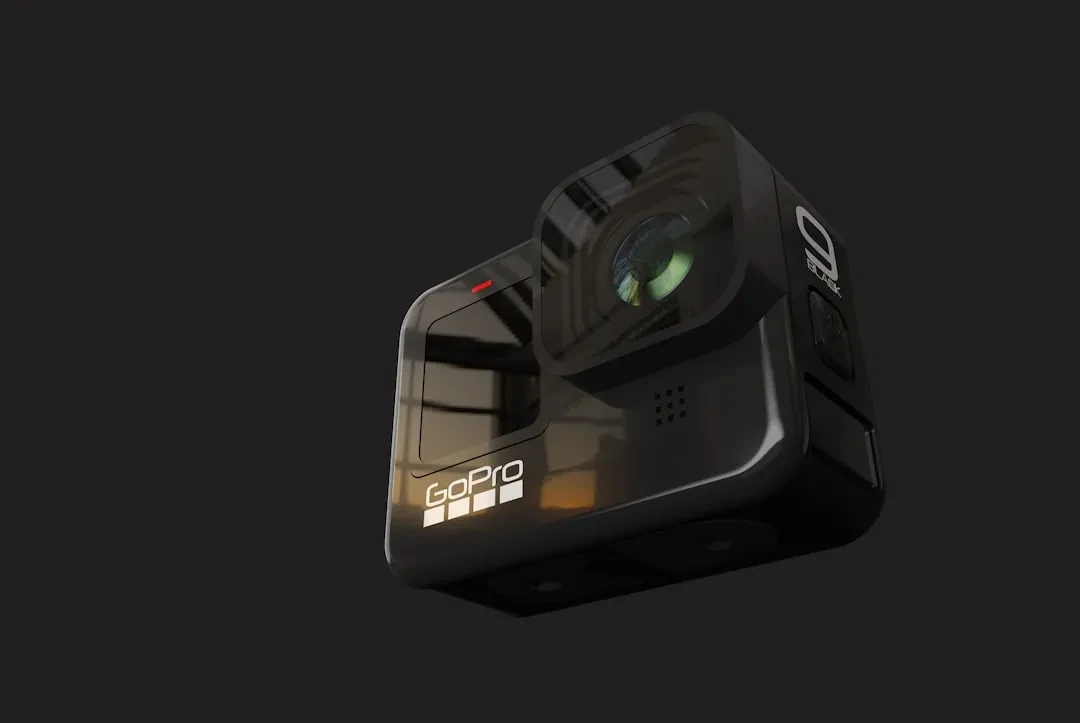
The GoPro Mission 1 Pro raises the bar for action cameras thanks to a 1-inch sensor, the same format used in many high-end compact cameras. This component allows recording 8K video at 60 frames per second and 4K video at 240 frames per second, delivering sharpness and color accuracy that few rivals can match. Colors are extremely precise, and stabilization, already a brand strength, reaches new heights of effectiveness. However, this power comes at a high price, both financially and in terms of size: the camera body is slightly bulkier than standard models, but the trade-off is acceptable for those seeking maximum visual performance in extreme conditions. The Mission 1 Pro positions itself as the ideal tool for professional videographers and content creators who refuse to compromise on quality, even at a significant investment. In a market where competition is fierce, GoPro demonstrates that it still believes in high-end hardware as a differentiating factor.
Sponsored Protocol
Fitbit Air: artificial intelligence for personal wellness
The Fitbit Air, on the other hand, follows a completely different philosophy. It is a screenless fitness tracker, similar in concept to Whoop, but with a more accessible approach deeply integrated into the Google ecosystem. The device relies on an AI coach to interpret data collected from heart rate, temperature, sleep, and activity sensors, providing personalized recommendations in real time. The key strength lies in the combination of solid hardware, which ensures measurement accuracy, and software that learns from the user's habits. The Fitbit Air does not merely count steps or calories; it aims to understand recovery status, stress levels, and suggests when to train or rest. The lack of a screen reduces distractions and extends battery life, making it a discreet yet highly capable companion. With a competitive price tag, the Fitbit Air is poised to become a serious rival in the screenless tracker market, offering a user experience that blends scientific data and generative artificial intelligence.
Sponsored Protocol
Future implications and market scenarios
Both products mark significant milestones in the evolution of personal technology. The GoPro Mission 1 Pro shows that demand for extreme video quality remains strong, despite the prevalence of smartphones. For sports and underwater filming professionals, having a 1-inch sensor in a rugged, waterproof body is a huge competitive advantage. Meanwhile, the Fitbit Air embodies the trend toward predictive healthcare powered by AI, where hardware becomes secondary to software intelligence. Google is clearly investing to integrate AI into every aspect of wellness, as already seen in other initiatives by the giant. The future may see convergence between these two visions: imagine an action camera with real-time AI analysis to suggest framing or automatically adjust shooting parameters, or a fitness tracker with advanced sensors providing preventive diagnostics. As the industry moves toward greater personalization, products like these lay the groundwork for an increasingly integrated ecosystem.
Sponsored Protocol
We cannot ignore the regulatory context in which these devices are launched. Just in recent weeks, the European Union has tightened rules for US technology, and companies must face stricter regulations on privacy and health data. Moreover, the battle for copyright-protected content intensifies, as shown by the agreement between Universal Music Group and TikTok against unauthorized AI. In this landscape, the ability to offer cutting-edge hardware and transparent software will be crucial for commercial success. For deeper technical specifications of the action camera, you can refer to the GoPro Wikipedia page, while for the Fitbit, the dedicated Wikipedia entry is available.
Sponsored Protocol