The aviation industry is constantly seeking innovations to optimize operations and improve efficiency. In this context, Tokyo Airport is about to introduce a novelty that could mark a turning point in how baggage is handled. We are talking about the deployment of humanoid robots, a bold step that raises questions about the feasibility and future implications of such technology in an environment as complex as an airport.
Integrating Humanoid Robots into Airport Operations
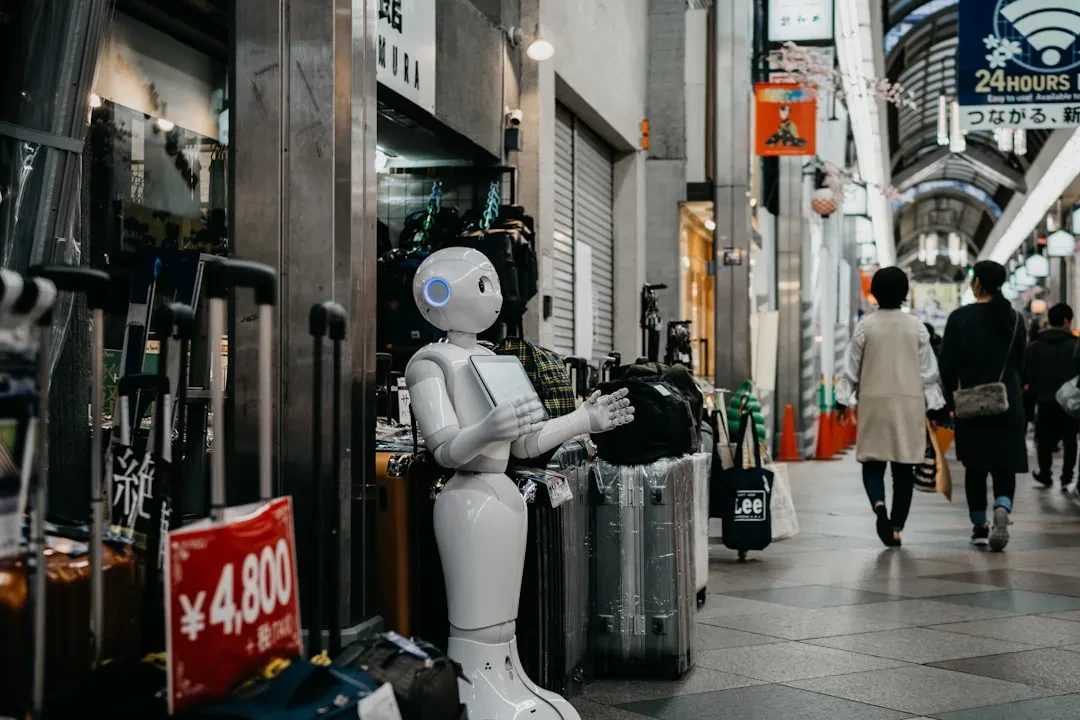
The idea of robots performing strenuous physical tasks is not new, but their specific application in baggage handling at an international hub like Tokyo represents a significant evolution. These humanoid robots, designed to replicate human movements, will be trained to lift, transport, and sort suitcases and other items. The primary objective is to reduce the physical strain on human workers, prevent injuries related to repetitive tasks, and potentially accelerate the aircraft loading and unloading process. Consider the impact such automation could have on aircraft turnaround times, a crucial factor for airlines.
Sponsored Protocol
However, challenges abound. The variability in baggage sizes and weights, the need to operate in confined and potentially crowded spaces, and coordination with human staff require extremely sophisticated and reliable robotic systems. Safety is another fundamental aspect. The possibility that these autonomous machines could cause harm to people or property must be minimized through rigorous safety protocols and advanced artificial intelligence systems capable of perceiving the surrounding environment and reacting accordingly. The analogy with science fiction scenarios, such as that evoked by the Terminator film, highlights the public perception of these innovations and the need to reassure about their safety and employment impact.
Sponsored Protocol
Potential Benefits and Future Concerns
The potential benefits of this initiative are numerous. Beyond the aforementioned reduction in injuries and increased efficiency, robots could operate 24/7, ensuring greater operational continuity, especially during peak periods or in adverse weather conditions that might limit human operations. The precision of robots could also reduce the risk of damage to baggage.
On the other hand, employment concerns are legitimate. The large-scale introduction of humanoid robots could lead to a reduction in the workforce employed in this sector. It will be essential for airports and companies involved to carefully plan the transition, offering retraining opportunities for workers who might be impacted. The integration of advanced technologies, such as those seen in Apple's AI smart glasses, demonstrates how artificial intelligence is transforming various sectors, and the world of work is no exception. The ability to manage these transformations ethically and sustainably will be the real challenge.
Sponsored Protocol
This experiment at Tokyo Airport could pave the way for a future where humanoid robots become a common presence in multiple logistics and industrial sectors, redefining the concept of work and operational efficiency. The road to full integration is still long, but the first steps have been taken.
Source: https://www.engadget.com/2160602/humanoid-robots-will-work-as-baggage-handlers-at-tokyo-airport