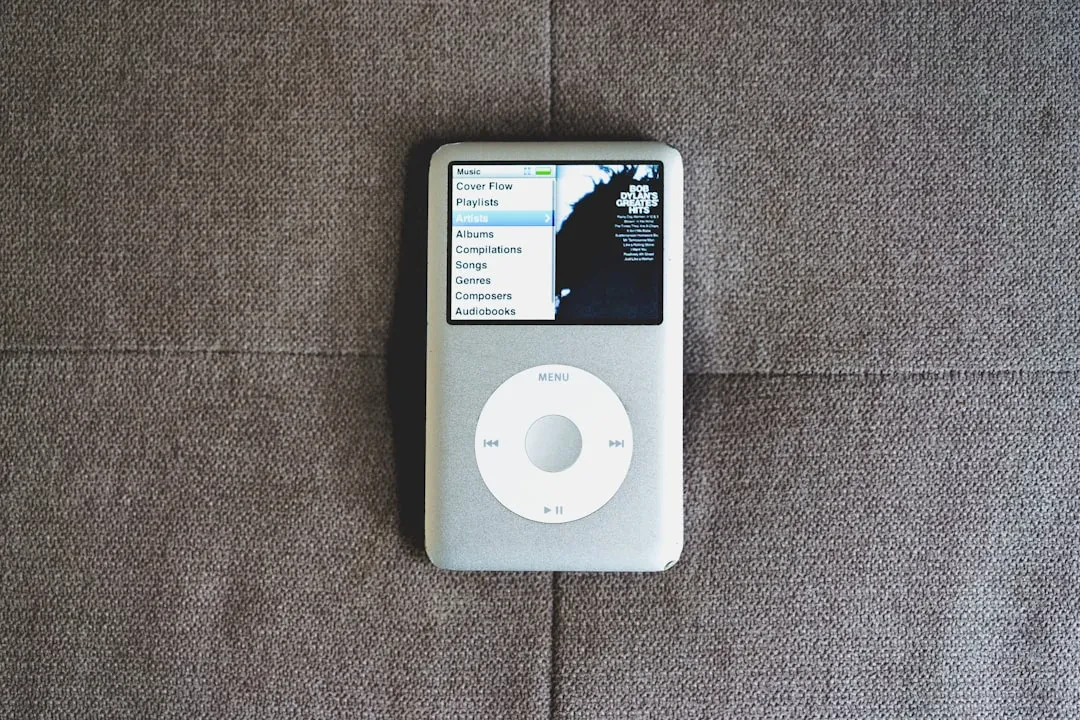
Tony Fadell, the father of the iPod, was surprised to see an advertisement for the iPod Shuffle in a New York subway station. The slogan promised 'zero screen time.' In an era where smartphones keep us constantly connected, many are seeking ways to reduce digital dependency. This movement, called 'slowtech,' is gaining traction among young and old alike, eager to reclaim their attention.
What is slowtech and why it is growing
Slowtech is not about abandoning technology, but using it more mindfully. Joy Howard, CMO of Back Market, explains that people are tired of being constantly optimized and crave experiences that do not monopolize their attention. Devices like the iPod Shuffle, digital cameras, and retro gaming consoles are experiencing a revival because they offer a simpler, less intrusive experience. Austin Murray, founder of JAMDAT and now creator of the screen-time reduction app MOQA, emphasizes that smartphone addiction is a design problem, not a willpower issue.
Sponsored Protocol
According to a survey, about 53% of American adults want to reduce their screen time. Many use apps like Opal and Freedom to limit social media use, while others opt for minimalist phones like the Light Phone. Kaiwei Tang, co-founder of Light, says many young people aged 20 to 35 are adopting these devices, feeling more free.
The challenge of balancing convenience and well-being
This is not about eliminating technology entirely. Calvin Kasulke, author of 'Several People Are Typing,' admits to using two apps to limit his smartphone use. 'I don't think screens are inherently bad, but the way I was using them was worse,' he says. Slowtech is not a return to the past, but a way to create digital boundaries. For instance, the Mark AI bookmark promises to help readers take notes without pulling out their phone, blending analog and digital tools.
Sponsored Protocol
Tony Fadell believes we need fewer screens, not more. His vision is reflected in the growing success of screenless wearables like the Oura ring and Whoop wristband, whose sales increased 88% in the U.S. However, these devices still require a smartphone to view data, creating indirect dependency.
Slowtech is also a reaction to pervasive artificial intelligence. While companies like Sakana AI develop agents that write reports in hours, many seek a more balanced relationship with technology. For more, read about Sakana Marlin. Additionally, Stanford's DeLM project shows how AI can coordinate without a central orchestrator, reducing costs. Learn about DeLM.
Sponsored Protocol
The challenge is to find a balance between the benefits of connectivity and the need to disconnect. As Fadell says, 'We want the convenience of digital, but not the annoyance of being always connected.' Slowtech offers a way out, giving us back control of our time and attention. For an overview of the concept, visit the Wikipedia page on Digital detox.