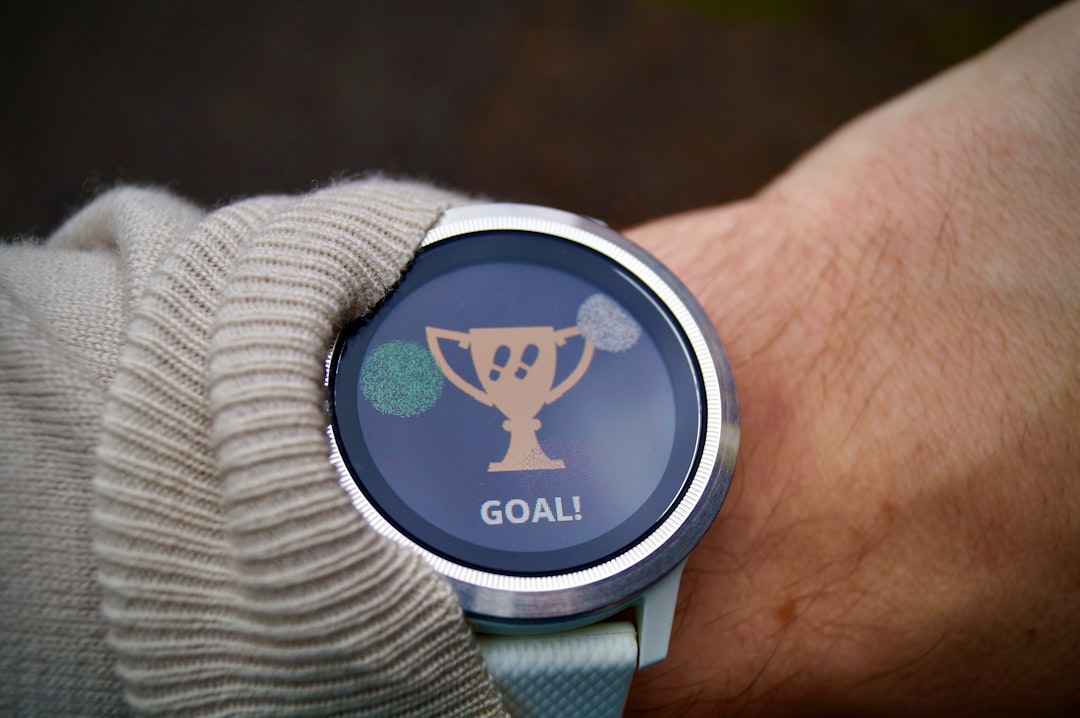
Every morning, before lacing up my running shoes, I ask myself the same question. Has my body recovered enough from yesterday's session? The answer is never straightforward, especially when I'm still groggy from sleep. After years of haphazard training and half-marathons tackled with rushed preparation, I discovered a hidden feature on my Garmin watch that has transformed my approach to running. It's called Training Readiness, and despite being advertised by the manufacturer, it's easy to overlook because it tucks away among the many health metrics on the device.
I first heard about this tool from a colleague journalist who has tested wearable devices for over a decade. He himself admitted that it took him a while to locate it in the interface. The activation process is simple, if you know where to look. Just scroll through the glance widgets on the watch face, select Add, and search for Training Readiness in the list. Once added, it will always be within reach.
Sponsored Protocol
A single score that condenses recovery, sleep, and training load
The strength of this feature lies in its ability to aggregate complex data into one indicator. Garmin combines the quality of the previous night's sleep, heart rate variability (HRV) status, recommended recovery time, recent training load, stress levels, and sleep history. The result is a score from 0 to 100 that tells me in seconds whether I'm ready for an intense session or should opt for active recovery. Before using this metric, I used to follow my training plan to the letter, ignoring my body's signals. This approach led me to push beyond limits on days when recovery was poor, with unpleasant consequences like injuries and forced rest days.
The accuracy of the score surprised me. On one occasion, after a sleepless night and a heavy dinner, the score was dramatically low. I decided to ignore it and tackled a long run. The result was extreme fatigue and three days of missed training. Since then, I've learned to trust this indicator. It's not just the number itself that matters, but the ability to drill down into the factors that determine it. Tapping the score opens a detailed screen showing the contribution of each individual parameter. This helps me understand whether the issue is lack of sleep, high stress, or accumulated fatigue from multiple back-to-back sessions.
Sponsored Protocol
How I integrated the feature into my daily routine
Now, before every workout, I check the readiness score. If it's high, I feel justified in doing the most demanding session of the week, such as 1000-meter repeats or a 20-kilometer long run. If it's average, I opt for an easy run or a light strength workout. When the score is low, I don't hesitate to take a walk or a complete rest day. This shift in mindset has had a noticeable impact on my preparation. In the past, I often had disappointing performances without understanding why. Now, I have a clear explanation and can adapt the plan accordingly. I've also noticed recurring patterns, like the relationship between sleep hours and the quality of my runs.
Sponsored Protocol
One interesting aspect is that the feature doesn't replace subjective perception. If I feel particularly energetic despite a mediocre score, I don't hesitate to follow my instinct. However, having an objective data point based on real physiological parameters is a huge advantage. It has helped me avoid injuries and optimize my training, something that experienced coaches have always recommended. The feature is available on many recent Garmin models, like the Venu 3, which combines a 1.4-inch AMOLED display with 14 days of battery life and advanced sleep tracking.
Sponsored Protocol
If you own a Garmin watch and haven't explored this function yet, I encourage you to spend a few minutes finding it. It might seem like a hidden detail, but its impact on training is surprising. For those who want to delve deeper, even the test of the Android Heads Up feature shows how wearable technology can improve daily habits, while a critical approach to digital tools is essential to make the most of them. Additionally, new developments in the smartwatch world continue to evolve, but training readiness remains one of the most useful features for runners.