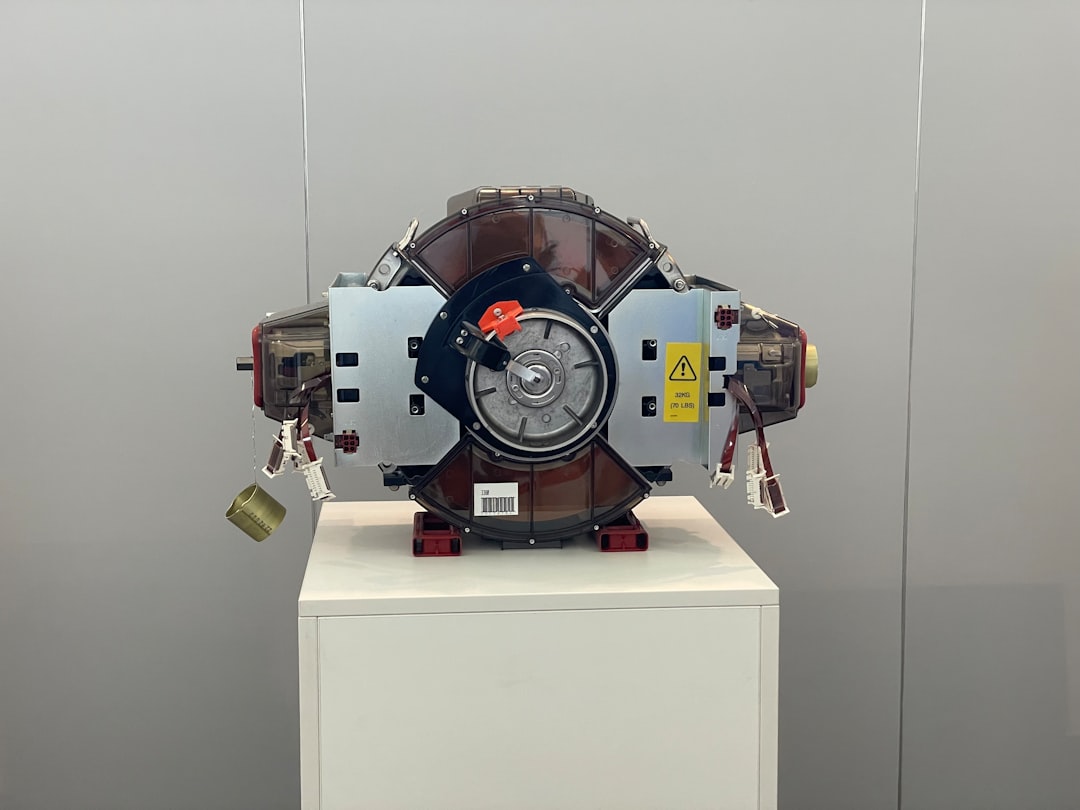
IBM has unveiled a new chip architecture that packs nearly 100 billion transistors onto a fingernail-sized area, nearly doubling the transistor density of its previous generation. Dubbed by IBM as the world’s first sub-1 nanometer chip technology, it promises a significant leap in compute performance and energy efficiency, specifically targeting AI data centers.
Jay Gambetta, director of IBM Research and IBM Fellow, stated in an advance briefing that "it is not just an incremental step, it is a meaningful leap forward." He added that the technology "points to a future where computing becomes significantly more powerful without a corresponding increase in energy."
What the sub-1nm claim actually means
It is important to unpack what the claim means because building transistors physically smaller than 1 nanometer is impractical due to physical limitations. IBM’s new approach, called "nanostack," does not shrink individual components but stacks them vertically to achieve the performance benefits expected from a theoretical sub-1nm design. This vertical stacking increases transistor density without reducing feature size, overcoming traditional scaling barriers.
Sponsored Protocol
Impact on AI workloads and memory supply
The higher transistor density translates into greater compute power for AI training and inference, along with lower energy consumption. This could help alleviate some of the current semiconductor supply constraints, such as those that have caused price hikes in consumer electronics. For instance, Apple recently raised MacBook and iPad prices due to a memory shortage, and technologies like nanostack could reduce the demand for high-bandwidth memory by improving on-chip efficiency.
Sponsored Protocol
IBM expects this architecture to be foundational for next-generation AI data centers, where energy efficiency is paramount. The company plans to integrate it with its quantum and classical computing systems to offer hybrid solutions.
For a deeper understanding of semiconductor manufacturing challenges, refer to the Wikipedia page on semiconductor device fabrication.
Source: https://arstechnica.com/gadgets/2026/06/ibm-claims-worlds-first-sub-1-nanometer-chip-technology