Insta360, a leading manufacturer of 360-degree cameras, has outlined a futuristic vision that could redefine the very concept of photography. Founder and CEO Liu Jingkang, known as JK, published a post on Weibo describing the goal of creating a 'Cameraman', an intelligent photography robot capable of autonomously composing and capturing images. This statement has sparked intense debate among enthusiasts and professionals, raising questions about privacy and the role of human creativity.
Founder Liu Jingkang outlines a future without human operators
In his post, Liu Jingkang explained that the product vision is to build a 'Cameraman', an intelligent photography robot able to automatically compose shots and capture moments like a professional photographer. The aim is to allow users to stay fully immersed in the present, without worrying about framing or settings. Insta360's philosophy pushes toward making cameras increasingly imperceptible, eventually 'disappearing' and becoming a natural part of daily life. While fascinating, this idea has raised concerns among those who fear that technology might sterilize the art of photography, reducing it to a mechanical process devoid of human engagement.
Sponsored Protocol
The Luna Ultra and initial concrete applications of Insta360's vision
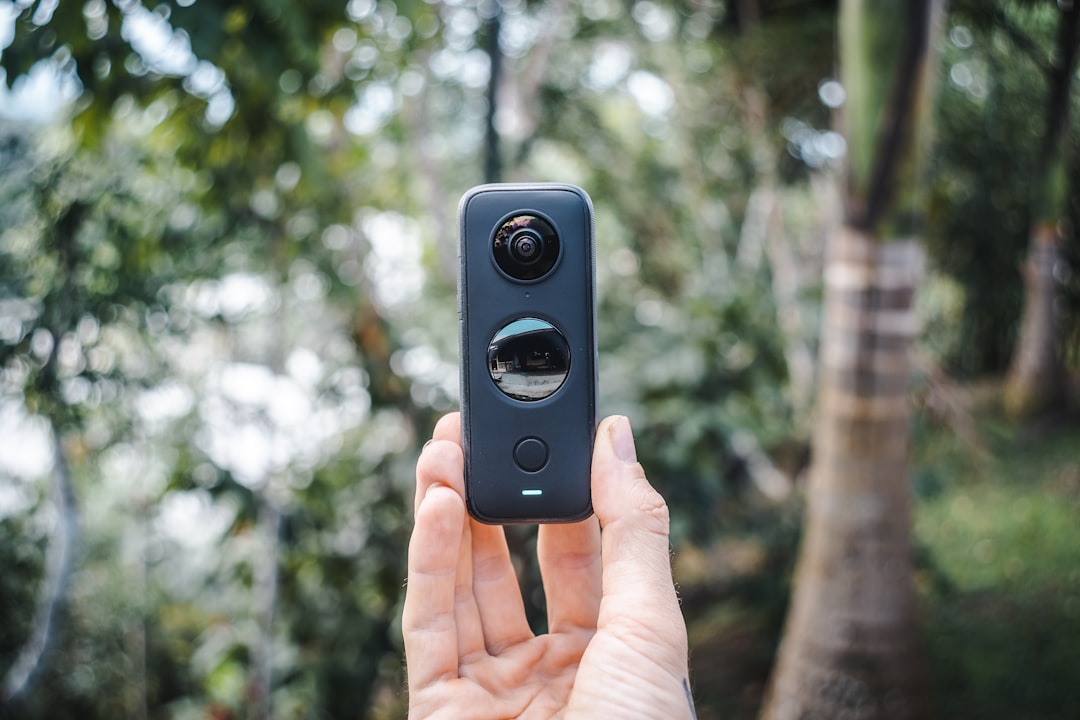
Insta360 has already taken concrete steps toward this future with the release of the Luna Ultra, a dual-lens compact vlogging camera resembling the Wall-E robot. The Luna Ultra can record 8K video and features a detachable remote screen and microphone. Additionally, the company introduced a head-tracking accessory that syncs the camera with the user's head movements, partially automating the filming function. These products demonstrate Insta360's commitment to integrating artificial intelligence and automation, but they also raise questions about how much creativity should be delegated to a machine. In this context, a related article on the drop in AI confidence highlights that even IT leaders are cautious about relying blindly on artificial intelligence.
Sponsored Protocol
Privacy under threat: the risk of pervasive and invisible surveillance
The most controversial part of Liu Jingkang's post concerns the prospect of cameras becoming 'imperceptible' and 'natural' in everyday life. This would imply devices that continuously record without people being aware of it. The issue of consent becomes critical. Already, devices like Meta Ray-Ban smart glasses have sparked controversy because it was possible to disable the recording indicator light. Insta360 seems willing to go further, imagining a world where recording happens so seamlessly that it no longer requires conscious effort. But what about the right to privacy? The implications are enormous, affecting both public and private spheres. In this regard, political divisions over AI, as described in the article Trump divided on Chinese AI, show how complex the regulations needed to balance innovation and civil rights are.
Sponsored Protocol
Human creativity challenged by photographic automation
From an artistic perspective, the idea that a robot could completely replace the human photographer is seen by many as a threat to creativity. Photography is not just about technique but also about sensitivity, intuition, and the ability to capture the moment. If a machine can compose and shoot on our behalf, what remains of personal expression? Insta360 argues that automation can free people from technical burdens, allowing them to focus on the experience. However, many professionals fear losing the uniqueness of the human eye. The challenge will be to find a balance between using AI as a tool and preserving the active role of the photographer. As reported by authoritative sources, such as the Wikipedia page on Insta360, the company has always focused on innovation, but this time the step might be too bold for an unprepared public.
Sponsored Protocol
In conclusion, Insta360's vision for an intelligent photography robot is fascinating yet controversial. While it opens up unprecedented possibilities for creativity and convenience, it also raises fundamental questions about privacy, consent, and the future of photographic art. It will be interesting to see how the company responds to criticism and what measures it will take to ensure that technology remains at the service of humanity, and not vice versa.