The next version of Apple’s mobile operating system is shaping up to be one of the most feature‑rich updates in recent years. According to the latest rumors from Bloomberg’s Mark Gurman, iOS 27 will introduce a completely redesigned Siri interface, a long‑awaited reorganization of the AirPods settings menu, and an expansion of Apple Intelligence capabilities across apps like Wallet, Safari, and Shortcuts. The official unveiling is expected at WWDC 2026, with the keynote scheduled for June 8, but we already have a fascinating picture of the innovations to come.
A Darker, Smarter Siri
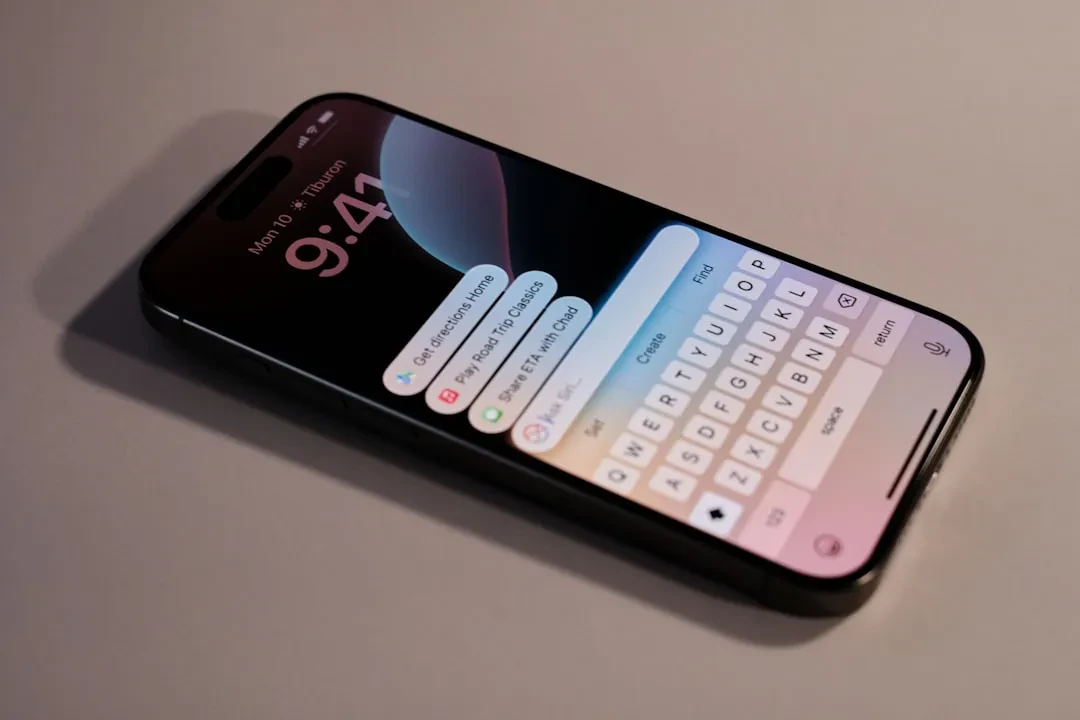
One of the most visible changes involves the voice assistant. The new Siri will adopt a dark color scheme, echoing the graphics Apple used for its WWDC promotional materials, leaving behind the lighter hues of previous iterations. This is more than a cosmetic update. Rumors indicate that Siri will become a dedicated app, separate from system settings, with a deeper and more contextual interface. The new design, combined with Apple Intelligence integration, should make suggestions and responses far more relevant. Apple is likely aiming to close the gap with large language model‑based assistants from Google and OpenAI, while leveraging the differential privacy that has always distinguished the Cupertino ecosystem.
Sponsored Protocol
AirPods: A Menu Finally Organized
Anyone who owns AirPods knows how frustrating the current settings menu can be, often described as cluttered and unintuitive. With iOS 27, Apple promises a completely revamped AirPods settings menu, better organized. Noise control features, transparency options, battery management, and connectivity preferences will be grouped into logical sections. For users of AirPods Pro or the upcoming AirPods 4, this reorganization will be a true leap forward in daily usability. Additionally, the quality of Genmoji and Image Playground will see improvements, with more refined AI algorithms generating realistic custom emoji and images.
AirPlay and the Push for a Google Cast Alternative
Another interesting novelty is the ability to set alternatives to AirPlay as the default streaming protocol. Specifically, Apple may allow users to choose Google Cast as the default option, a move that could be limited to the European market for compliance with the Digital Markets Act. If confirmed, this flexibility would be a game changer for users who own third‑party devices, often penalized by Apple’s walled garden. Satellite connectivity will also take a step forward: the Maps app will be usable via satellite, expanding on the emergency SOS feature already available. This evolution is crucial for travelers in remote areas where cellular coverage is absent.
Sponsored Protocol
Apple’s Ecosystem Prepares for the Future
These changes do not come in a vacuum. Apple is strengthening its position in the field of AI security, a hot topic that concerns all tech giants, Google included. With iOS 27, Cupertino aims to deliver advanced AI features without sacrificing user privacy. At the same time, this update fits into a rapidly expanding ecosystem, as demonstrated by the new features of watchOS 27, which bring artificial intelligence and satellite connectivity to users’ wrists.
Sponsored Protocol
Implications for Developers and Users
For developers, iOS 27 represents an opportunity to leverage new Apple Intelligence APIs within their apps. The upgraded keyboard with improved autocorrect and deeper integration between Shortcuts and Siri could reshape how we interact with the device. However, reliance on cloud servers for some AI functions raises questions about latency and the need for a stable data connection. Apple seems to address this by extending satellite support, but current satellite connection speeds are still limited compared to fiber. The road to ubiquitous AI is long, but with iOS 27, Apple takes a decisive step. For a deeper dive into the history of Apple’s mobile operating system, check the Wikipedia entry that covers all previous versions and expected novelties.