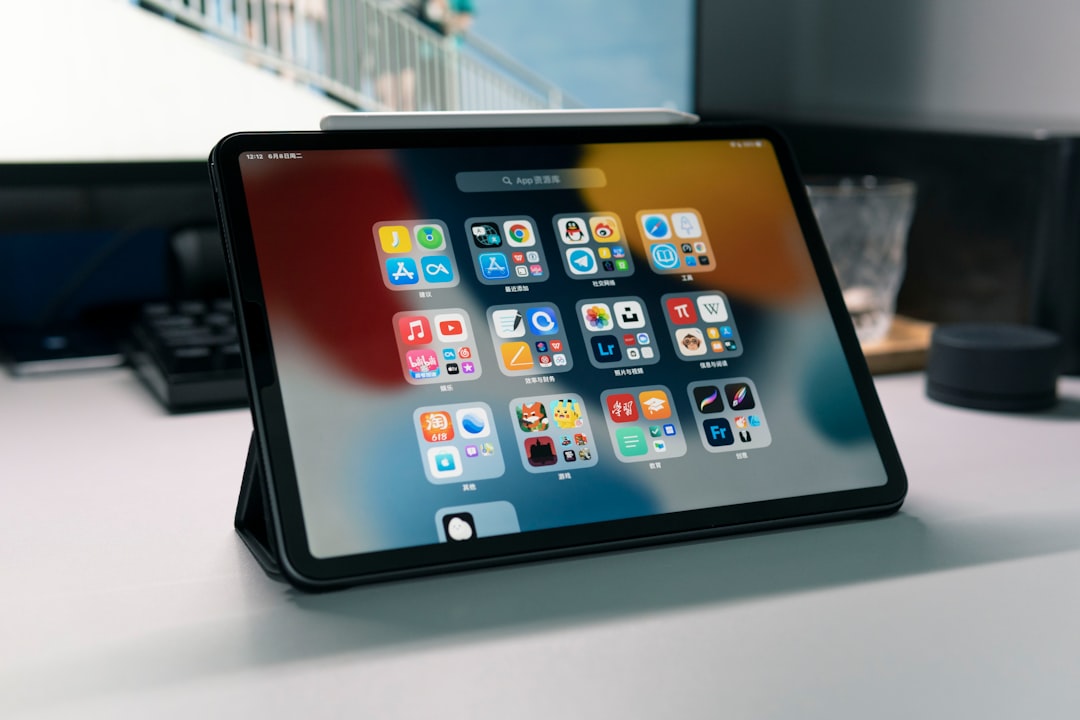
Despite a month rich with updates for numerous Apple products and accessories, the wait for an entry-level iPad with support for Apple Intelligence continues. However, according to the latest rumors from Bloomberg's Mark Gurman, a new iPad equipped with the A18 chip, specifically designed to enable Apple Intelligence features, is reportedly ready for launch and will be released still this year. This news quells earlier speculation, including a Macworld report suggesting the use of an A19 chip, providing a more concrete perspective on the timeline.
Apple Intelligence and the New Generation of iPad
The integration of Apple Intelligence represents a significant step in the evolution of Apple devices, promising a more personalized and intelligent user experience. Currently, the advanced features of this AI platform are already available on current-generation iPad models, including the iPad mini, iPad Air, and iPad Pro. The arrival of a new iPad model, presumably named the iPad 12, with a dedicated A18 chip, suggests a targeted enhancement to better leverage these capabilities, perhaps opening the door to even higher AI performance or exclusive features.
Sponsored Protocol
Current rumors do not indicate other substantial changes compared to the previous model's design. The iPad 12 is therefore expected to maintain a similar exterior appearance to its predecessors, concentrating the main innovations under the hood. This approach, if confirmed, would allow Apple to focus on the software experience and AI integration, rather than a radical aesthetic overhaul. Recall that the latest base model, the iPad 11, was launched in March 2025 with an A16 chip, positioning itself as a solid option for those seeking reliable performance at an accessible price, with a starting cost of $349 in the United States.
The announcement of a new iPad with an A18 chip for Apple Intelligence raises interesting questions about the future of the Apple ecosystem. Artificial intelligence is becoming a fundamental pillar for the company, as also demonstrated by software updates introducing increasingly sophisticated AI features. For example, iOS 26.4 has already introduced qualitative improvements and AI features, anticipating the direction taken by Cupertino. Deep AI integration in devices is not new for Apple, which already with iOS 27 promises a silent evolution that redefines digital interaction. This trend also extends to other products, as shown by rumors about the AirPods Max 2 with H2 Artificial Intelligence.
Sponsored Protocol
The current technological landscape sees a strong push towards AI in all sectors. Companies like OpenAI are investing massively in the development of new technologies, with ambitious plans such as doubling their workforce to dominate the future of AI. Microsoft is also exploring new frontiers, albeit with a more cautious approach in some areas, as shown by the decision to scale back Copilot for a better user experience in Windows. The impact of AI also extends to unexpected sectors, as highlighted by the case of a horror novel withdrawn due to ethical concerns related to the use of artificial intelligence, underscoring the ongoing ethical debate. AI integration in video games is another rapidly evolving field, with PlayStation focusing on graphical innovation.
Sponsored Protocol
The race for innovation in the semiconductor field is equally intense. Recent rumors about Intel Core Ultra 200HX Plus for high-end gaming laptops testify to the continuous pursuit of ever-greater performance. At the same time, cybersecurity remains an absolute priority, with supply chain attacks affecting widespread tools like Aqua Security's Trivy scanner and repositories like GitHub, highlighting the fragility of digital infrastructures.
The mobile device market is constantly buzzing. Beyond continuous software updates, like those expected for Microsoft Windows 11, we are witnessing hardware innovations. The Nintendo Switch 2, for example, promises to revolutionize the European market with user-replaceable batteries, a detail that could make a difference for many consumers. Apple also continues to innovate in the wearable segment, with rumors about the Apple Watch Series 11 that might arrive with interesting discounts.
Sponsored Protocol
The history of technology teaches us that innovation is a continuous process. From the early networks that wove the internet, as explored in articles on The Digital Dawn and Before the Web, to the programming languages that shaped the digital world, as described in From the First Algorithms to Quantum Code, every step is fundamental. The birth of tech giants, from garages to the stars, is another testament to this evolutionary path.
Our publication thinks that...
The wait for a new base iPad equipped with an A18 chip dedicated to Apple Intelligence is a clear signal of the strategic direction Apple is taking. The company seems to be aiming to democratize access to its most advanced artificial intelligence capabilities, making them available not only on top models but also on more accessible devices. This could mean an acceleration in the adoption of these technologies by a wider audience, further stimulating innovation and the creation of new applications and services. The choice to maintain a design similar to current models suggests a focus on optimizing the user experience and efficiency, rather than a mere aesthetic update. It will be interesting to observe how Apple integrates these new features and what the real performance differences will be compared to current models, but the promise of a release within the year is a positive signal for Apple enthusiasts.
Sponsored Protocol
Source: Original