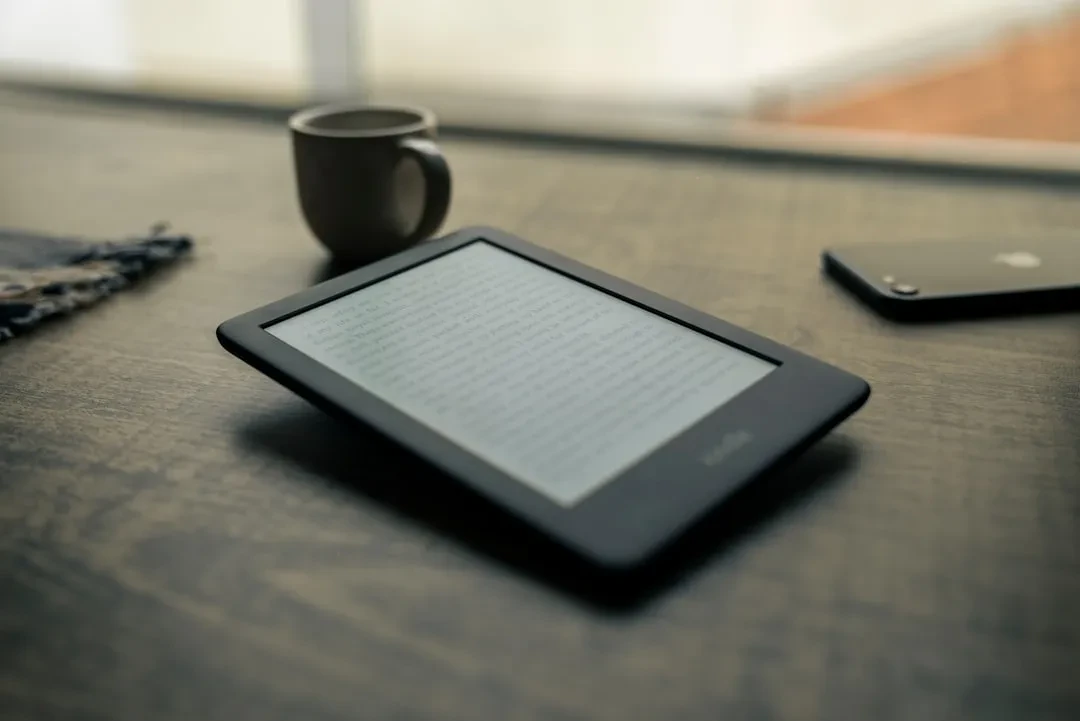
Following Amazon’s recent decision to end software support for several legacy Kindle models, a growing community of passionate readers is rediscovering a nearly forgotten practice: jailbreaking. This procedure, once reserved for more open mobile devices, allows users to bypass the restrictions of the proprietary operating system, transforming an abandoned e-reader into a perfectly functional machine. The move by the Seattle-based giant, which cut off security updates and cloud syncing services for fourth-generation Kindles and earlier models, has sparked a rebellion among users who refuse to send a perfectly working device to the electronics graveyard.
Technical Motivations and the Appeal of Control
Why would a user risk bricking their Kindle just to keep using its basic functions? The answer lies in the desire for digital freedom and a rejection of planned obsolescence. A jailbroken Kindle allows you to install alternative readers like KOReader, which handles unsupported formats such as advanced EPUBs or complex PDF layouts, and to remove the advertisements that Amazon forces on special-offer models. Moreover, you can access third-party libraries, such as Calibre, and even advanced networking features. This deep personalization returns full control to the user, a concept that runs counter to the closed ecosystems mastered by companies like Apple. Unsurprisingly, those familiar with iOS limitations can see the parallel, as explored in our piece on Apple’s big week with iOS 26.5 and iPhone 18 Pro hints, where customization remains a distant dream.
Sponsored Protocol
The Risks of an Alternative Path
Jailbreaking is not without its downsides. The procedure requires non-trivial technical skill and involves real risks. A mistake during the firmware flashing process can brick the Kindle, rendering it completely unusable. Furthermore, removing Amazon’s protections exposes the device to unknown security vulnerabilities, since it will no longer receive official patches. Amazon customer support, of course, will not cover damage caused by unauthorized modifications. Users must therefore weigh the sentimental value of an old Kindle against the safety of their data. However, the online community has developed detailed guides and increasingly refined tools—such as those available on MobileRead—that reduce the margin for error for experienced users. For a comparison with other consumer-tech challenges, check out our guide on 10 useful iPhone tips in iOS 26, where OS knowledge can make all the difference.
Sponsored Protocol
Implications for the Future of the Right to Repair
The trend toward jailbreaking Kindles is a symptom of a broader movement: the demand for right to repair and device longevity. When a manufacturer cuts support for still-functioning models, it pushes consumers toward new purchases, fueling an increasingly unsustainable cycle of electronic waste. The Kindle case is exemplary: many devices have robust hardware and replaceable batteries, but proprietary software renders them obsolete. The community’s response shows a latent demand for more open ecosystems that respect user ownership. In this sense, jailbreaking becomes a form of technological activism, a way to reassert control over the hardware you own. To delve deeper into the history and legal implications of this practice, read the Wikipedia entry on jailbreaking.
Sponsored Protocol
In conclusion, while Amazon closes the door on a generation of Kindles, the user community responds with ingenuity and determination. Jailbreaking is not just a technical workaround; it is an act of resistance against digital obsolescence. It will be interesting to see whether this movement influences future corporate policies, pushing toward a more sustainable and consumer-friendly model, or whether it deepens the divide between manufacturers and users. One thing is certain: the battle for control over our own devices has only just begun.