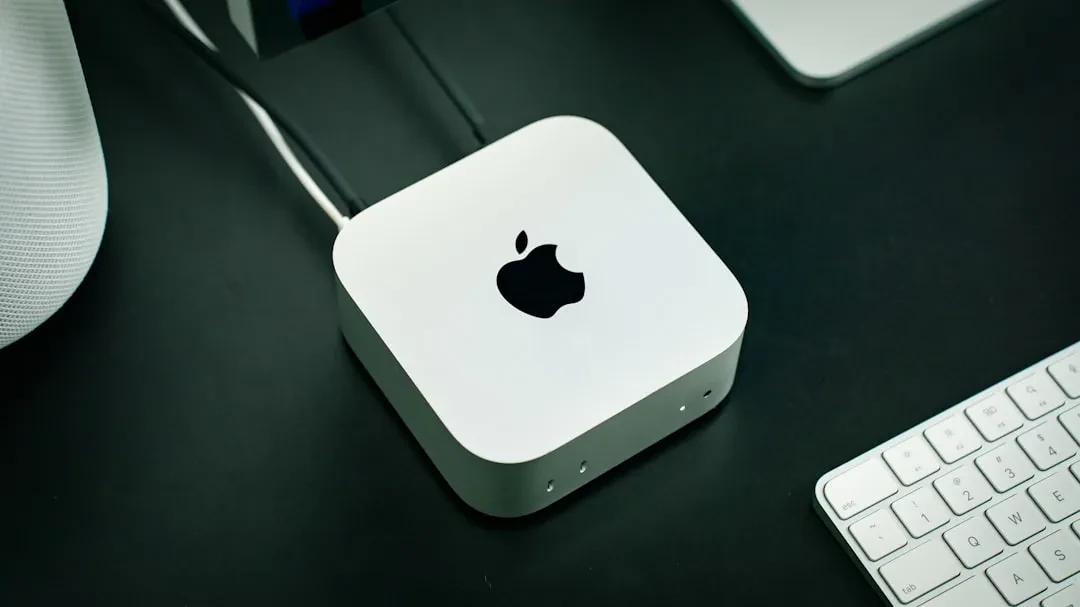
Mac shipments are experiencing significant growth in the second quarter of 2026, according to the latest market data from IDC and Gartner. The numbers show a double-digit increase compared to the same period last year, solidifying Apple's position in the personal computer landscape. This positive trend comes at a time when the global PC market shows signs of recovery after a period of contraction.
Apple's performance outpaces the industry average
According to reports, Apple's PC market share increased by over 2% year-over-year, driven by demand for models such as the MacBook Air with M4 chip and the new MacBook Pro. Unlike many competitors who experienced declines, Apple benefited from customer loyalty and the integrated ecosystem. Even the MacBook Air M1, launched over five years ago, continues to set a benchmark for longevity and productivity, as highlighted in a recent in-depth analysis on our site.
Sponsored Protocol
Factors behind the growth
Several elements contributed to the increase in shipments. First, the launch of M4 chips offered superior performance with energy efficiency, attracting both consumers and professionals. Second, back-to-school promotions and student discounts stimulated sales. Finally, the growing adoption of hybrid work drove many companies to refresh their computer fleets. Another interesting aspect is the integration of edge AI features, a sector where Apple dominates thanks to the Apple Watch, which captured 90% of edge AI smartwatch shipments in Q1 2026.
Comparison with the overall market
While Mac shipments grow, the traditional PC market still faces challenges related to inventory and fluctuating demand. Apple has managed to differentiate itself by focusing on premium hardware and optimized software. According to an IDC note, the high-end computer segment was the main driver of growth. For further details on industry trends, you can refer to the Wikipedia page dedicated to Mac.
Sponsored Protocol
Outlook for the rest of 2026
Analysts expect Mac shipment growth to continue into the third quarter, fueled by new product launches and seasonal promotions. Apple may also benefit from the recent exemption from semiconductor tariffs, which will reduce production costs. Meanwhile, demand for the iPhone 17 has been revised downward due to rising hardware costs, but the Mac segment seems unaffected. Full details are available in our article on Apple slashing iPhone 17 demand forecast.