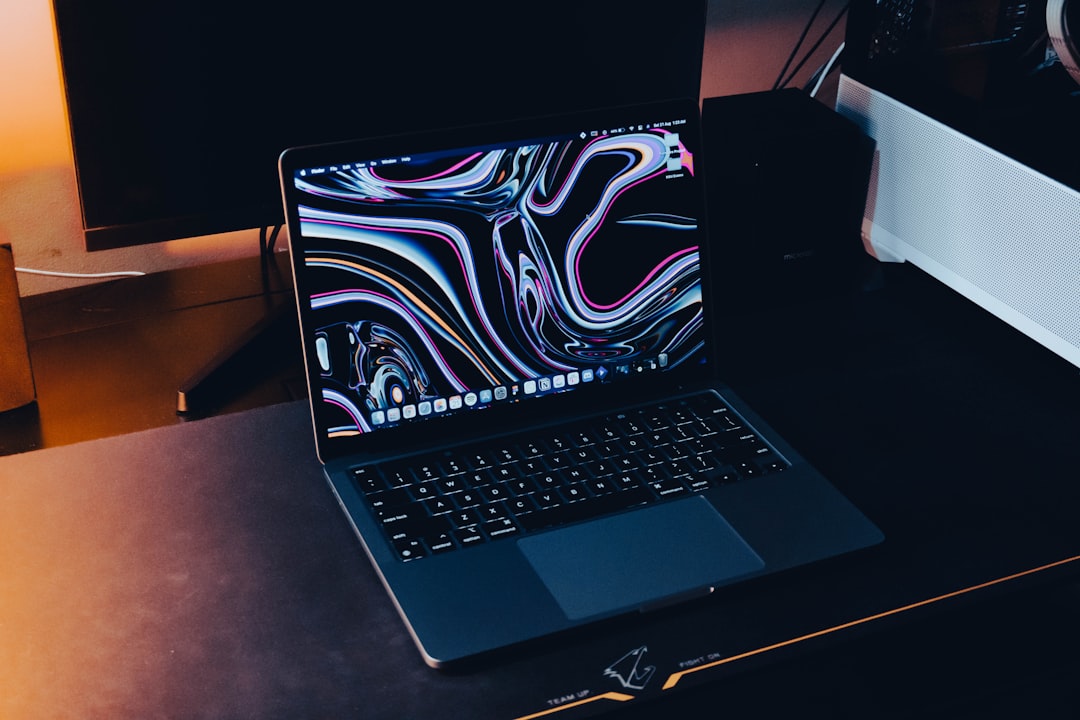
Apple announced today an extraordinary result for its Mac computer line, marking the best launch week ever for customers buying a Mac for the first time. This exceptional milestone is largely attributed to the recent launch of the new MacBook Neo, a device that appears to have won over a vast and diverse audience, including those coming from the Windows world.
The MacBook Neo Phenomenon
The MacBook Neo, officially launched on Wednesday, March 11th, has quickly established itself as a true success. In the United States, a starting price of just $599 for the general public, further reduced to $499 for university students, has made it an extremely enticing proposition. This aggressive price positioning, combined with solid technical features, has evidently lowered the entry barrier for many consumers. The beating heart of the MacBook Neo is an enhanced version of the A18 Pro chip, already appreciated in the iPhone 16 Pro, ensuring smooth and responsive performance for everyday tasks and beyond. Availability in vibrant finishes like Citrus, Blush, and Indigo, alongside the classic Silver, adds a touch of personality that resonates with a younger, design-conscious audience.
Sponsored Protocol
Although Apple also updated its range with new MacBook Air models featuring the M5 chip and MacBook Pro with M5 Pro and M5 Max chips, it is the MacBook Neo, thanks to its economic accessibility, that is considered the main driver of this sales record among new Mac buyers. The generated enthusiasm is palpable, as evidenced by CEO Tim Cook's statements on social media, who expressed great satisfaction with the reception given to the newcomer.
Availability and Wait Times
The strong demand for the MacBook Neo is, however, resulting in significant wait times. For orders placed today via the Apple online store in the United States, delivery estimates are between April 6th and 13th. Despite this, the hope of getting the device more quickly lies with physical Apple stores and authorized retailers like Amazon and Walmart, where availability might be more immediate. This high-demand scenario further underscores the success of Apple's strategy in making its products more accessible without compromising the quality and innovation that distinguish the brand.
Sponsored Protocol
This success of the MacBook Neo fits into a context of continuous evolution in the laptop market, where artificial intelligence is playing an increasingly important role. Devices like the new AirPods Max 2, which integrate advanced AI features, or the upcoming graphical innovations for video games thanks to Artificial Intelligence, demonstrate how technology is advancing on multiple fronts. Even in the processor sector, the introduction of new architectures like the Intel Core Ultra 200HX Plus for high-end gaming laptops highlights the constant pursuit of superior performance.
Apple's strategy, which seems to target a wide range of users, partly recalls the approach of digital pioneers who, starting from humble garages, gave birth to tech giants. The ability to innovate and adapt to market needs, as also demonstrated by other companies exploring new frontiers, is crucial to maintaining leadership. For example, Jeff Bezos's interest in artificial intelligence to revolutionize manufacturing, or OpenAI's plans for a revolutionary desktop superapp, indicate a common direction towards the ever-greater integration of AI into our digital lives. Even companies like DoorDash are leveraging AI, paying couriers to train models with new videos, showing how machine learning is permeating unexpected sectors.
Sponsored Protocol
The history of technology is dotted with innovations that have radically changed the way we interact with the digital world, from the early networks that forged the Internet before the Web, like ARPANET, to current cybersecurity challenges, like the IP KVM vulnerability alarming corporate networks. Apple's ability to continue producing desirable and innovative devices, while maintaining a focus on accessibility, is a key factor in its lasting success.
Sponsored Protocol
Our Publication Thinks That...
The success of the MacBook Neo represents a skillful strategic move by Apple, capable of capturing a previously less explored market segment. Offering a product with a high-quality brand at a competitive price opens the doors to a new generation of users, who might in the future evolve towards more advanced models. This approach not only consolidates Apple's position in the personal computer sector but also demonstrates a deep understanding of market dynamics, balancing innovation, design, and affordability. It is a signal that the strategy of democratizing access to its ecosystems, already seen with other products, is bearing fruit even in the laptop segment, challenging the perception that Apple products are exclusively for a premium audience.
Source: Original