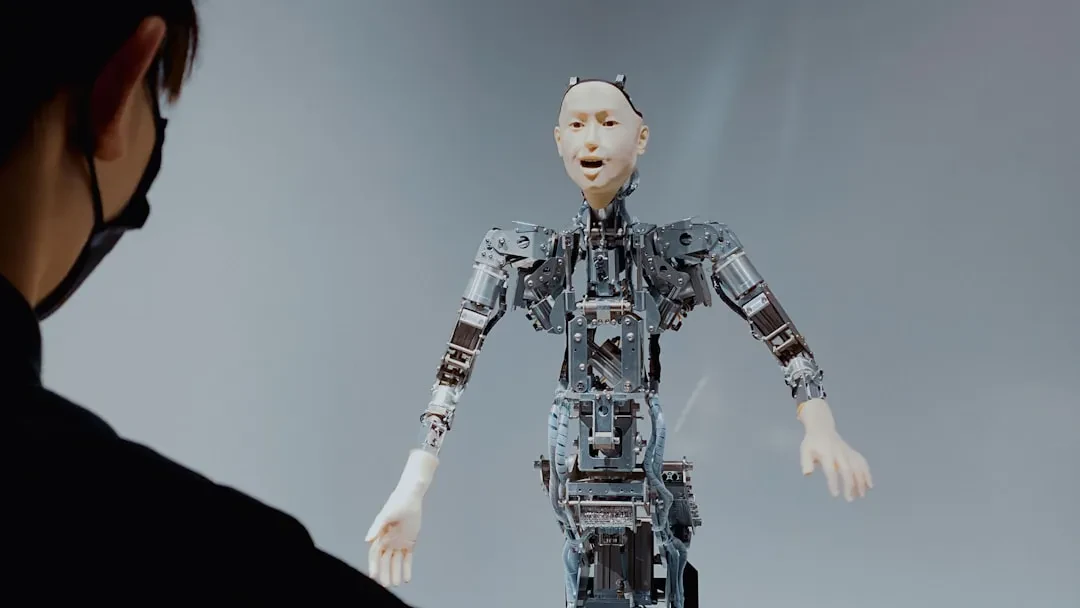
The artificial intelligence landscape continues its rapid evolution, with giants like Meta making bold moves to bolster their humanoid robotics ambitions. Recently, Meta announced the acquisition of Assured Robot Intelligence, a startup specializing in developing AI models for robots. This strategic move aims to significantly enhance the capabilities of future AI-driven robots, opening new frontiers in human-machine interaction and advanced automation.
Meta and Humanoid Robotics
Meta's acquisition of Assured Robot Intelligence is not an isolated event but part of a broader vision for integrating AI into physical contexts. The goal is to create smarter, more versatile robots capable of understanding and acting in the real world with greater autonomy. This could translate into revolutionary applications, from domestic assistance to support in complex industrial environments. Generative artificial intelligence, which has already demonstrated its potential in areas like content creation and programming, will find a new and fascinating application here in controlling and navigating physical entities.
Sponsored Protocol
Data Center Expansion and Coatue's Role
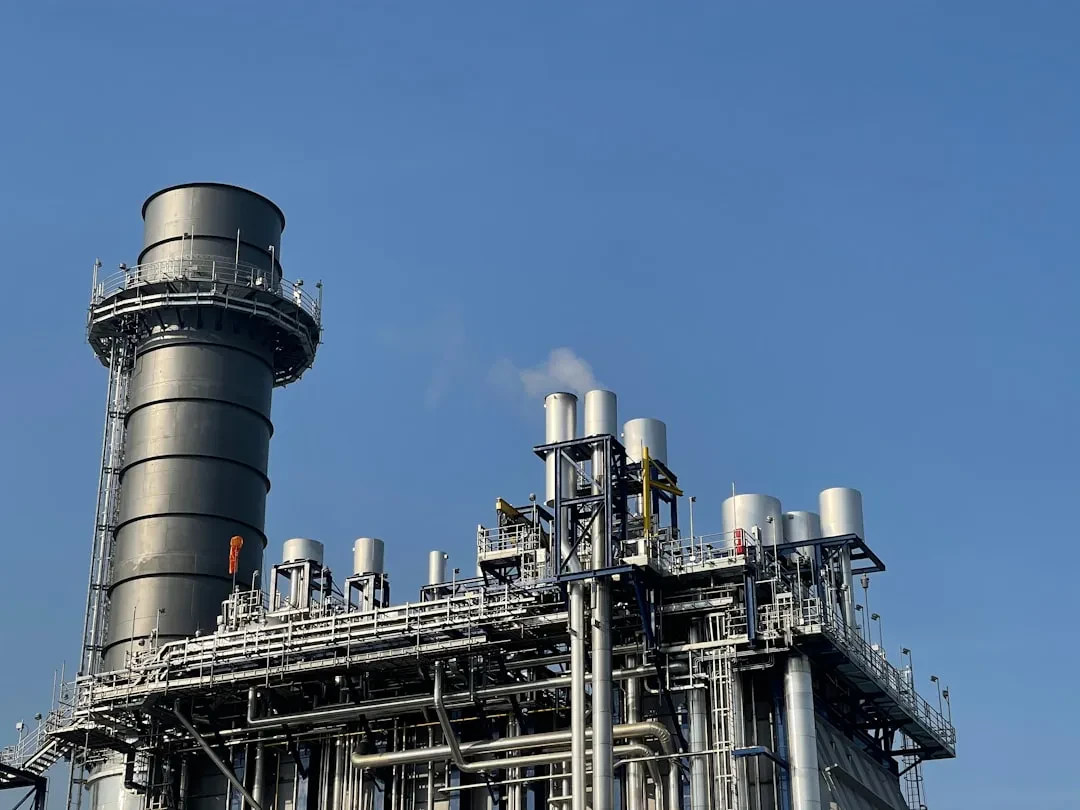
Alongside these developments in robotics, the artificial intelligence sector requires increasingly robust infrastructure. In this context, news emerges that Coatue, a major venture capital firm, is planning to purchase land adjacent to significant power sources. This move suggests a strategy focused on building new data centers, potentially to support companies like Anthropic. The growing demand for computational power to train and run increasingly complex AI models makes the expansion of dedicated infrastructure crucial. Consider the importance of such infrastructure also for the widespread adoption of new technologies, as in the case where the Mac mini focuses on AI with new configurations, requiring adequate computational resources.
Challenges and Innovations in the Semiconductor Sector
The tech sector, however, is not without its challenges. The ongoing supply chain crisis for components like RAM is pushing companies to seek innovative solutions. Surprisingly, even traditional companies like Toto, a toilet manufacturer, are finding opportunities in this environment. The company has increased investments in its division that produces ceramics used in the production of NAND memory, demonstrating how component scarcity can stimulate unexpected diversification and innovation. These efforts are crucial to keep the supply chain active, especially considering the increasing reliance on advanced components for AI and other emerging technologies. The race for innovation in the semiconductor industry is an essential component to support the progress of artificial intelligence, a central theme also in discussions about generative AI amidst challenges and opportunities.
Sponsored Protocol
Regulation and Privacy in the Digital Age
As technological innovation races forward, legal and regulatory issues become increasingly pressing. A significant example is Meta's potential withdrawal of its apps from New Mexico if a judge agrees to the state's demands. This case highlights governments' growing attention to data management and user privacy. Tech companies find themselves navigating a complex regulatory landscape, balancing the need to innovate with the obligation to comply with local and international laws. This debate is crucial for ensuring a fair and secure digital future, where artificial intelligence can develop ethically and responsibly. Another area where regulation plays a key role is the security of critical infrastructure, as demonstrated by the recent massive DDoS attack that disrupted Ubuntu services, highlighting the criticality of cloud infrastructure.
Sponsored Protocol