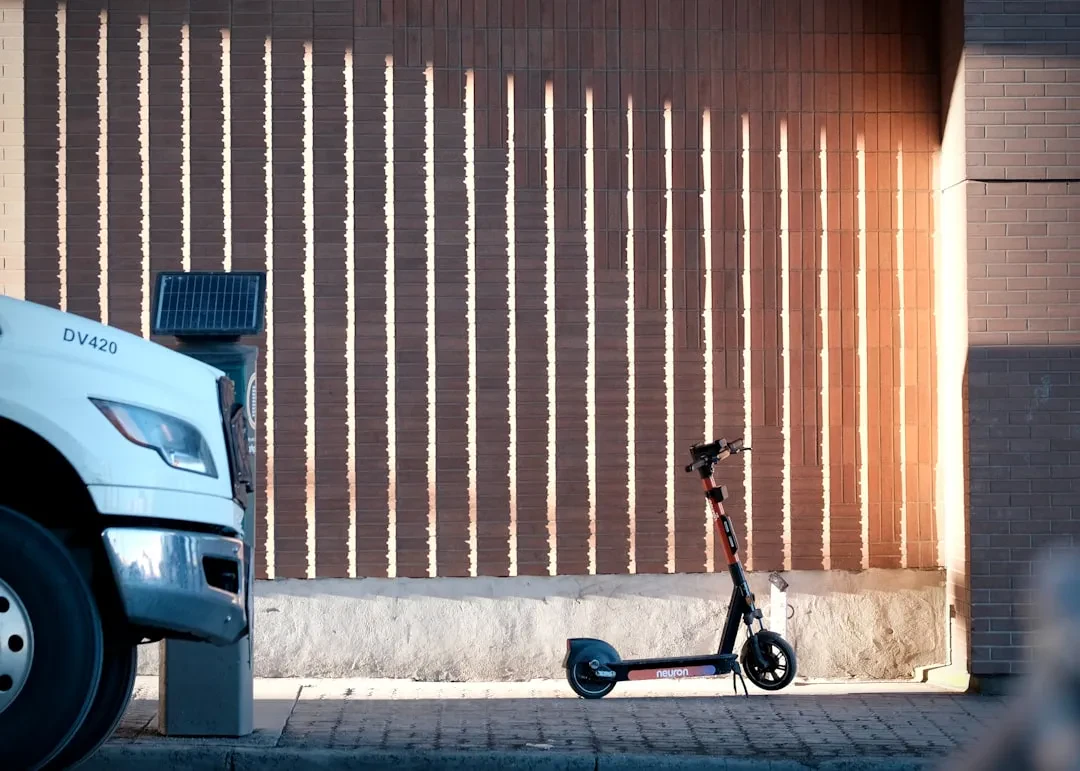
The electric micromobility sector is experiencing a week of stark contrasts. On one side, Lime, the electric scooter rental giant, has officially filed for its initial public offering (IPO). On the other, prestigious automaker Porsche has announced the discontinuation of its high-performance e-bike division, choosing to refocus on its core business. These two opposing moves offer a clear snapshot of the challenges and opportunities in a market still striving for maturity.
Lime Aims for Wall Street with an Ambitious IPO
Startup Lime, known for its distinctive green scooters, has submitted the necessary paperwork to go public. According to gathered information, the company operates in over 230 cities worldwide, a distribution network few competitors can match. However, Lime has not yet achieved profitability, a critical point that investors will need to assess carefully. The company stated it intends to use IPO proceeds to further expand its fleet and invest in artificial intelligence technologies to optimize vehicle distribution and predictive maintenance. This operation is seen as a crucial test for the entire shared mobility sector, which has struggled to find a sustainable business model despite exponential user growth.
Sponsored Protocol
Porsche Abandons E-Bikes: Back to its Roots
In stark contrast, Porsche has announced the wind-down of its performance e-bike line. The Stuttgart-based automaker had launched the division with great fanfare, targeting premium electric bicycles with high price tags. Now, in an official statement, Porsche explains that the company intends to refocus on its core operations, namely the production of sports and luxury automobiles. This move comes at a time when many traditional manufacturers are reassessing investments in niches like e-bikes, considered too far from the core business and with lower margins compared to cars. For Porsche, the choice is strategic: better to concentrate engineering and financial resources on electrifying its own vehicles and developing new hybrid combustion models.
Sponsored Protocol
Lessons for the Future of Light Electric Mobility
The contrast between Lime’s IPO and Porsche’s withdrawal highlights a fundamental dichotomy. On one hand, micromobility startups continue to raise capital and expand their presence, betting on long-term growth in sustainable urban transport. On the other, large industrial groups are showing caution, preferring to retreat to familiar and more profitable territories. The success of Lime’s IPO will be an important barometer: if the market rewards the company, it could open the door for other listings in the same space. If investors instead penalize the lack of profits, the entire sector could face a setback. Interestingly, as highlighted in our article on Rising Cyber Threats to Critical Infrastructure, growing cybersecurity risks could also affect the charging networks and connected fleets that underpin micromobility.
Sponsored Protocol
Porsche’s decision, meanwhile, may encourage other brands to follow a similar path, while the competitive e-bike market risks further fragmentation. Specialized startups, more agile and focused, could benefit from the exit of giants. On a macro level, the lesson is clear: innovation and tradition must find a balance. As Lime tries to prove that scooter sharing can become a sustainable business, Porsche reminds us that sometimes the winning strategy is knowing when to stop and return to one’s roots. Only time will tell who placed the better bet.