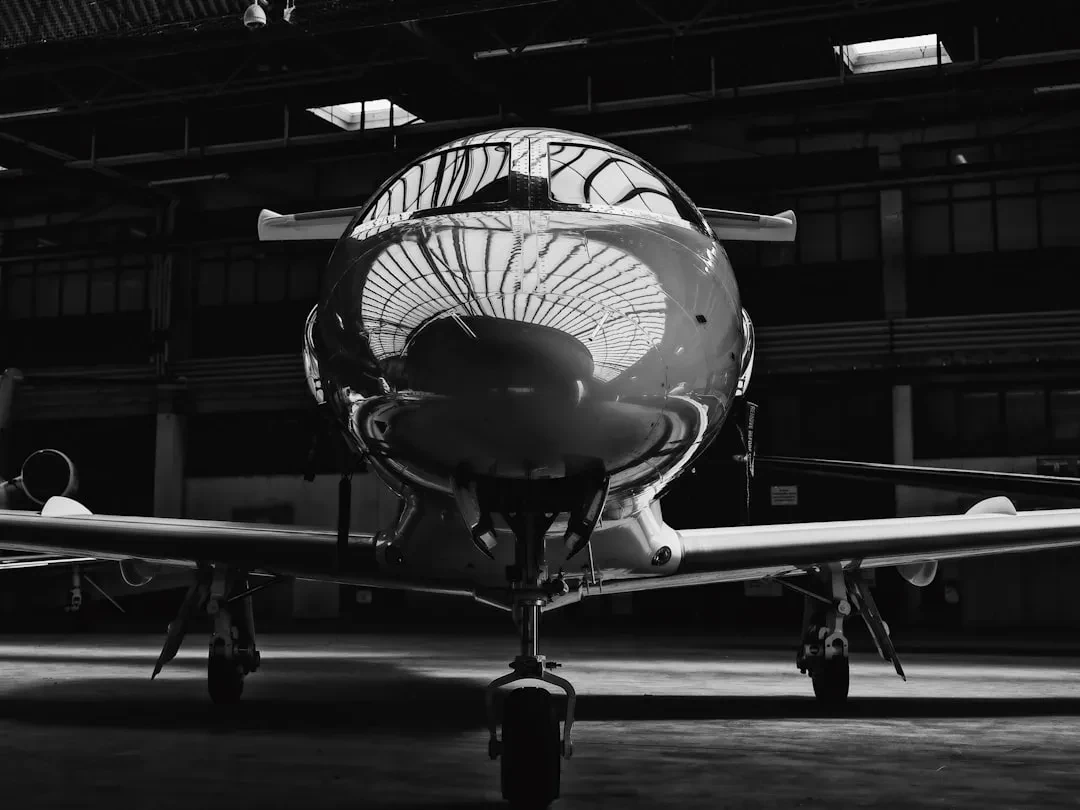
The dream of commercial supersonic flight that does not disturb people living underneath the flight path is getting closer. NASA has announced new major milestones for its ambitious X-59 QueSST experimental aircraft, designed to break the sound barrier while producing a noise comparable to a gentle car door closing, rather than the loud sonic boom. The X-59 recently completed a series of critical tests, reaching speeds and altitudes never before achieved in this program. This progress prepares the aircraft for demonstration flights over American communities, a phase that could revolutionize air travel.
Overcoming Technical Challenges
The aircraft, with its distinctive long and slender nose, has passed structural strength and system integration tests. High-speed taxi tests and low-altitude flights confirmed flight control stability. However, the real proving ground was reaching transonic speeds and high altitudes, where the X-59 demonstrated its ability to operate in conditions close to supersonic flight. These results are a fundamental milestone for the project, as they will allow engineers to gather valuable aerodynamic data at Mach 0.9 and beyond, without yet producing the classic boom. The goal is to prove that it is possible to fly at speeds above Mach 1 with noise levels below 65 decibels, a very low value compared to the typical 100 decibels of a supersonic jet.
Sponsored Protocol
Implications for Commercial Aviation and Regulations
The success of the X-59 could pave the way for a new era of commercial supersonic flights, but the path is filled with regulatory hurdles. Currently, the Federal Aviation Administration (FAA) bans civil supersonic flight over land precisely because of the sonic boom. Demonstrating quiet flights is the first step toward changing these rules. The data collected by the X-59 will be crucial to convince regulators like the FAA and EASA to revise restrictions. In this context, the aviation sector must also address new cybersecurity and system resilience regulations, such as the Cyber Resilience Act, which imposes strict requirements on hardware and software manufacturers. A modern aircraft is a flying computer, and its cybersecurity is as critical as its aerodynamics. Similarly, the NIS2 directive is reshaping security standards for critical infrastructure, including air transport. These legal and technical aspects are integral to the path toward sustainable and accepted supersonic flight.
Sponsored Protocol
The Next Step: Flights Over Communities
The next chapter of the program involves a series of flights over populated areas. NASA has already selected several US cities to test public reaction. Ground sensors and resident surveys will measure actual noise acceptance. This data is essential to provide concrete evidence to regulators. If the X-59 succeeds in flying quietly over communities, the dream of a New York to London flight in three hours could become a reality. The project also represents a step forward in international collaboration: NASA works closely with the Japanese space agency JAXA and private companies like Lockheed Martin. For more on the history of supersonic aviation, you can read the Wikipedia article on supersonic transport.
Sponsored Protocol
With these new milestones, the X-59 is getting closer to its primary mission: proving that speed does not have to make noise. The sky may soon be quieter and much faster.