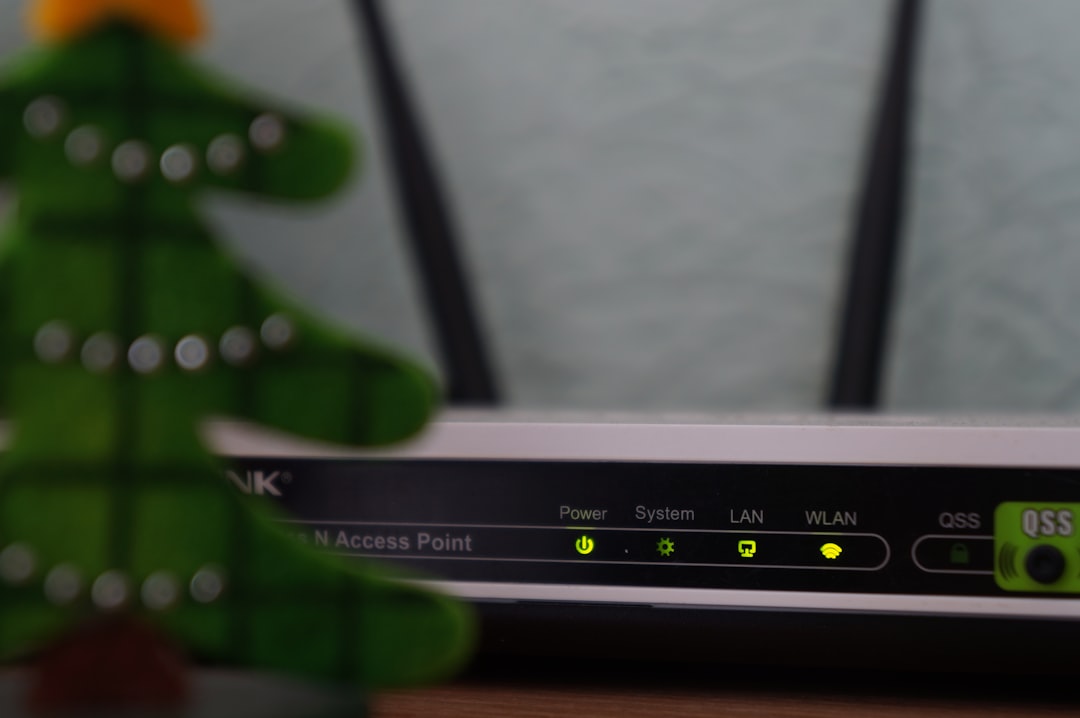
The Wi-Fi 7 router market is in a state of confusion. Despite promises of multi-gigabit speeds and reduced latency, an independent test conducted by RTINGS in February 2026 revealed that none of the 25 Wi-Fi 7 routers examined could deliver true simultaneous Multi-Link Operation (MLO). This feature, considered the core of the next-generation Wi-Fi standard, allows the simultaneous use of multiple frequency bands to increase capacity and reduce delays. However, most devices only implement alternating MLO, which switches between bands instead of using them in parallel, leading to speed fluctuations and lower-than-expected performance.
What Is Multi-Link Operation and Why It Matters
MLO is the main innovation of the IEEE 802.11be standard, known as Wi-Fi 7. Unlike previous generations, which treat the 2.4 GHz, 5 GHz, and 6 GHz bands as separate and mutually exclusive connections, MLO enables the router to use them all simultaneously. In theory, this results in aggregated bandwidth and significantly lower latency, ideal for applications like online gaming or 8K streaming. There are two modes of MLO: STR (Simultaneous Transmit and Receive), which aggregates throughput across multiple bands simultaneously, and NSTR (Non-Simultaneous Transmit and Receive), which alternates between bands keeping only one radio active at a time. The Wi-Fi Alliance requires at least NSTR support for official certification. The problem is that many routers sold as Wi-Fi 7 do not even implement this basic version, or do so incompletely.
Sponsored Protocol
The Regulatory Gap Between Wi-Fi 7 and WiFi 7
An overlooked aspect is the difference between the labels Wi-Fi 7 and WiFi 7. The hyphen is not a stylistic choice; the term Wi-Fi with a hyphen is a registered trademark of the Wi-Fi Alliance. Some manufacturers deliberately omit the hyphen to circumvent certification obligations, labeling their products as WiFi 7. This way, they are not legally required to meet the standard's minimum requirements, such as MLO support. As a result, a WiFi 7 router can be sold without one of the most important features, deceiving consumers who pay a premium for a device that offers no real improvement over Wi-Fi 6E. The lack of transparency is exacerbated by poor consumer awareness; many buyers do not know what to look for and rely solely on the product name.
Sponsored Protocol
The FCC Regulatory Hurdle
On March 23, 2026, the Federal Communications Commission (FCC) blocked certification of new wireless devices assembled outside the United States. The decision effectively froze the entry of many next-generation Wi-Fi 7 routers into the American market, which could have addressed current technical shortcomings. Only a few brands like Netgear and Eero have obtained exemptions by promising to move manufacturing to the US, while TP-Link, ASUS, and Linksys remain in limbo, legally able to sell only models certified before the ban. This further slows industry evolution and leaves consumers with limited choices.
Sponsored Protocol
When Is a Wi-Fi 7 Router Worth It
Despite the issues, a Wi-Fi 7 router can be a good investment in certain scenarios. If you have a multi-gigabit fiber connection (over 1 Gbps), multiple Wi-Fi 7-compatible devices (such as the latest smartphones and laptops), and frequently perform heavy local network transfers, the performance leap is tangible. For most users, however, a Wi-Fi 6E router offers better value, with performance more than adequate for streaming, gaming, and smart home use. It is essential to check the product specifications before purchase, ensuring it explicitly supports MLO and bears the Wi-Fi 7 label with hyphen, indicating official certification. Additionally, your internet plan must be fast enough to reap the benefits; a Wi-Fi 7 router cannot exceed the limit set by your provider.
Sponsored Protocol
In conclusion, the Wi-Fi 7 router market is still immature. Marketing promises often outpace reality, with devices lacking key features and regulatory standards being circumvented. Consumers must research carefully to avoid costly and unhelpful purchases. As always, a speed test matching your internet plan is the true indicator of connection quality, not the label on the box.
Source: https://www.engadget.com/2206012/router-brands-could-be-misleading-you-with-that-wi-fi-7-label