If you are planning to buy a new graphics card, you might want to hurry. GPU prices are about to rise significantly, regardless of which brand you prefer. Nvidia has confirmed a 20% to 30% increase, while AMD has announced at least a 10% hike. The root cause is the surging demand for memory, a critical component in graphics cards.
Nvidia raises prices by 20% to 30%
Last week, Nvidia officially announced a price increase ranging from 20% to 30% for its GPUs. This decision has triggered a chain reaction in the industry, prompting AMD to follow suit. According to market analyst Harukaze571, AMD was waiting for Nvidia to make the first move before announcing its own adjustment, aiming to avoid being the first to raise prices and potentially hurting sales.
AMD follows with at least a 10% increase
AMD has therefore communicated a hike of "at least 10%" on its graphics cards, without specifying an upper limit. The company also stated that its pricing will be similar to Nvidia's counterparts. The increases, effective this week, will initially apply to partners, who must decide how much to pass on to consumers. With already thin GPU margins, it is unlikely that manufacturers can absorb any of the extra costs.
Sponsored Protocol
Memory shortage drives up prices
Underlying these increases is the high demand for memory, a crucial component for GPUs that require large quantities of high-speed modules. Samsung, a major memory supplier, has already raised prices this year and plans another 20% increase this month. The Korean company expects to continue raising prices until at least 2028. This situation is causing ripple effects across the hardware industry.
Consoles and other devices affected
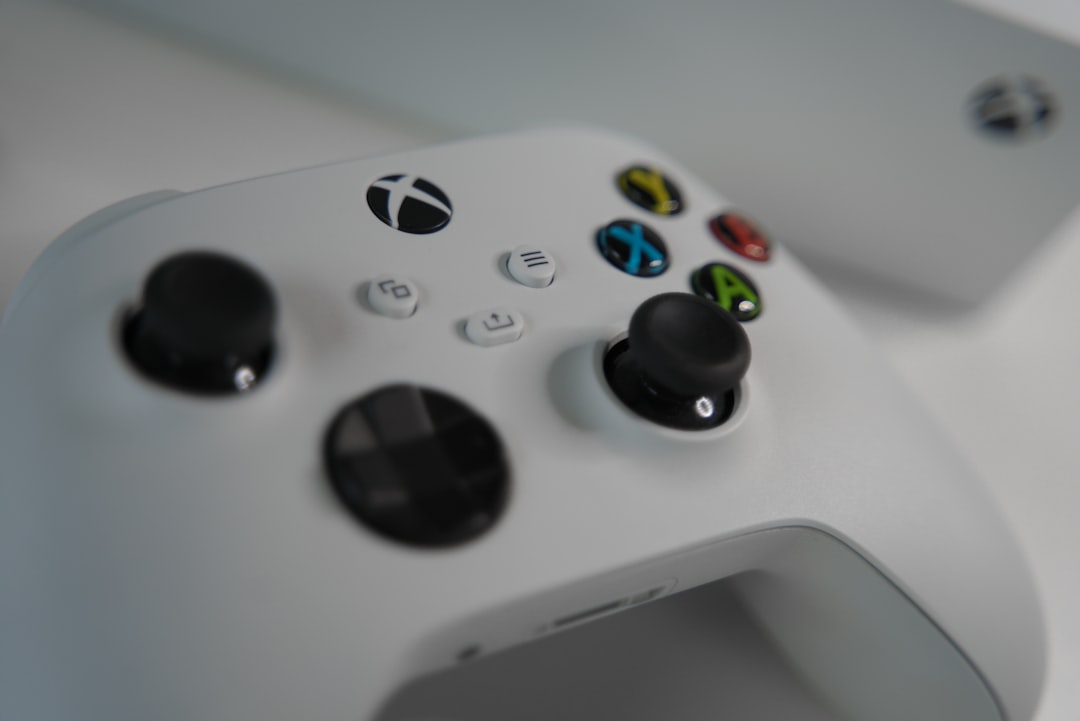
The rise in memory costs does not only affect graphics cards. Xbox Series X and Series S have already seen price increases earlier this month, and Nintendo has announced a price hike for the Switch 2. Sony, which already raised the price of the PlayStation 5, may need to intervene again if memory prices keep climbing. The smartphone and data center sectors are also feeling the pressure, with potential impacts on the entire tech supply chain.
Sponsored Protocol
For anyone considering a PC upgrade, the window to buy at reasonable prices is closing fast. Just as AI agents lie to reach their goals, the GPU market is showing unpredictability. Pricing strategies by manufacturers directly influence consumer choices, as highlighted in other economic contexts. The demand for memory, driven by increasingly demanding applications, shows no signs of slowing down, and increases may persist for a long time. According to Gamespot, the situation is set to worsen before it improves.