NVIDIA made a bold double announcement at Computex in Taipei. On one side, the new RTX Spark consumer chip, an Arm-based processor that aims to rival Apple Silicon. On the other, the Isaac Gr00t platform, a humanoid robot with five-fingered hands designed for advanced research. These two moves redefine the boundaries between PCs, AI, and robotics.
The Chip Built to Take on Apple M5
The RTX Spark Superchip pairs a Blackwell RTX GPU with a Grace CPU on Arm architecture. NVIDIA calls it "the most efficient PC chip ever built." It can run 120-billion-parameter LLMs, handle 90GB 3D scenes, and play AAA games at 1440p with ray tracing. The first device to feature it is the Microsoft Surface Laptop Ultra, offering up to 128GB of unified memory and a mini-LED display. Market availability begins later this year, starting at the premium tier. ASUS, HP, Lenovo, MSI, and Dell will follow with over 30 laptops and 10 desktops.
Sponsored Protocol
Open Humanoid Robotics for Researchers
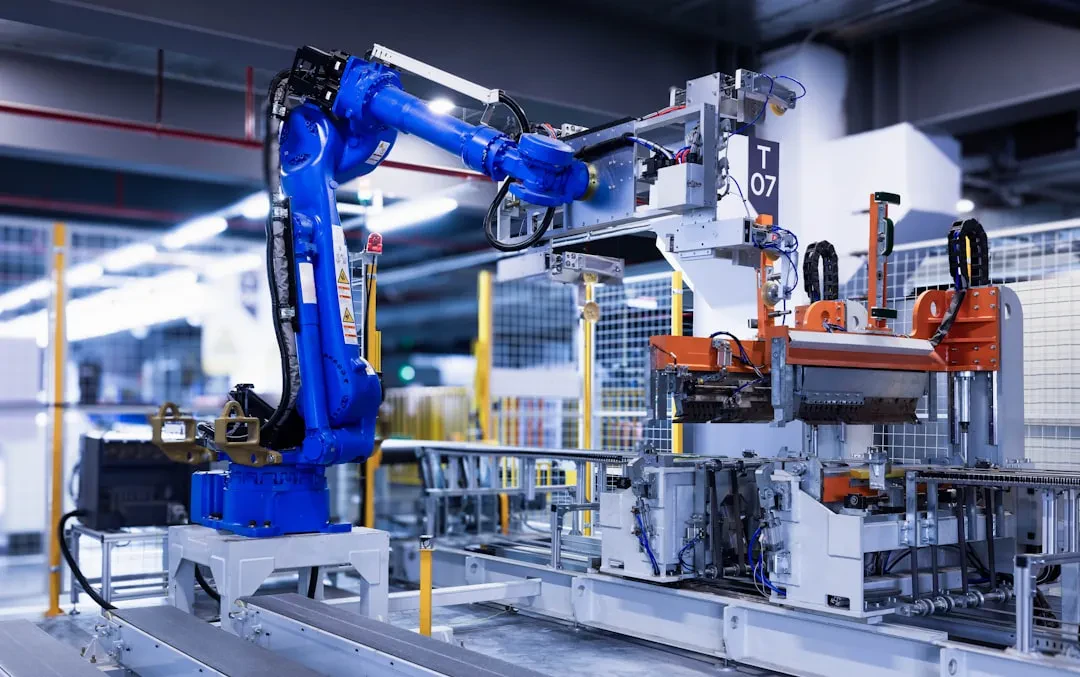
On the robotics front, NVIDIA introduced Isaac Gr00t, a reference design for humanoid robots. The platform combines a humanoid body with five-fingered hands and the Jetson Thor compute module. The goal is to provide researchers with a standardized environment to accelerate development of robots that can interact with the real world. This launch comes amid growing global competition in humanoid robotics, with China and the US leading the race.
Sponsored Protocol
Market Impact and Tech Sovereignty
NVIDIA's entry into the consumer chip market shifts the landscape: no longer just GPUs but complete systems competing with Apple and Intel. The Arm-based choice strengthens the ecosystem against x86. Meanwhile, humanoid robotics becomes a new tech battlefield with implications for manufacturing, healthcare, and defense. Europe, already behind in investments, watches with concern as highlighted by the analysis on Chinese brain chips.