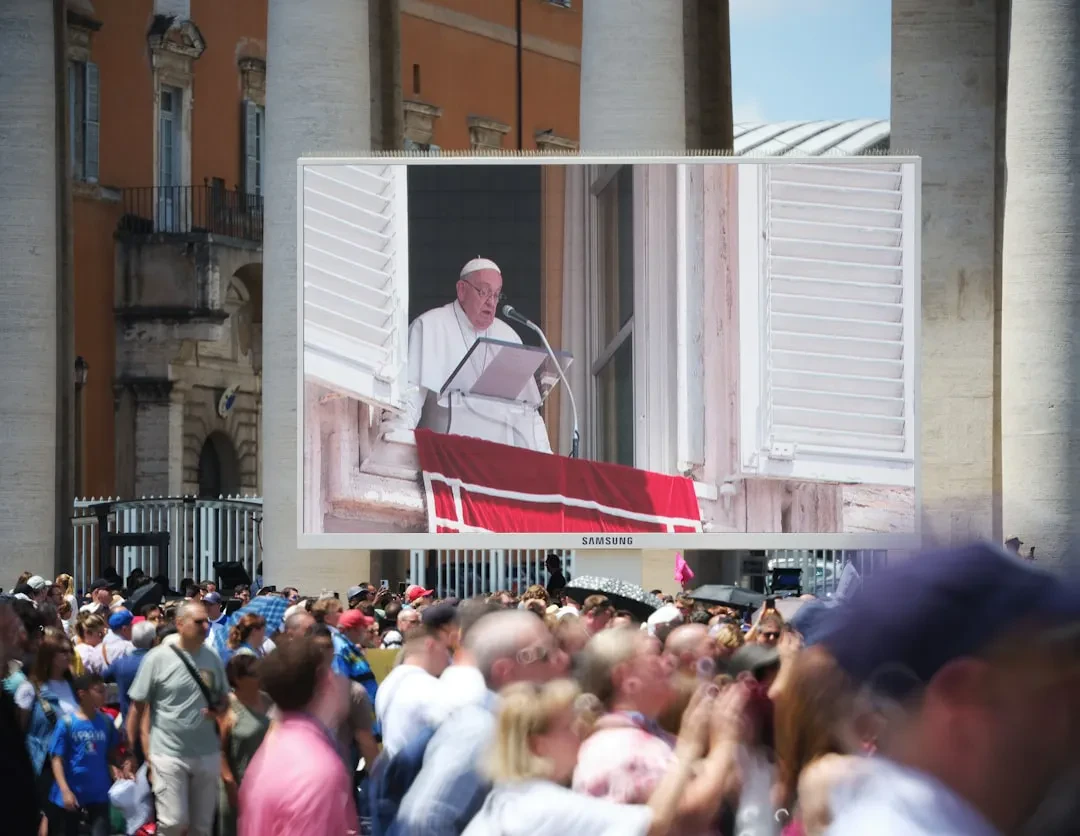
Three recent events powerfully demonstrate that technology is never neutral. Pope Leo XIV, in his encyclical Magnifica Humanitas, declared that every technological tool carries values and choices. At the same time, Amazon announced an AI-animated series based on Good Advice Cupcake, without the consent of original creator Loryn Brantz. Furthermore, the book Future of Truth came under fire for using AI-generated quotes passed off as real. Three different cases, one lesson.
The Pope's message and the Vatican's inside move
Pope Leo XIV wrote that technological neutrality is a myth. Every algorithm, every platform, reflects human choices. The Vatican even has a representative inside Anthropic, the company behind Claude, to closely monitor AI development. This direct involvement shows the Church is not just criticizing but trying to shape the industry.
Amazon's AI cupcake show without creator consent
Loryn Brantz, creator of the famous Good Advice Cupcake for BuzzFeed, discovered that Amazon licensed the character for an AI-animated TV series without ever consulting her. The case raises ethical questions about copyright, consent, and the use of creative works to train generative models.
Sponsored Protocol
A book about truth built on fake quotes
The essay Future of Truth, which explores how AI shapes perception of reality, was caught red-handed: it contained AI-invented quotes presented as authentic. The author admitted using generative tools without verification. The contradiction between the book's content and its writing method highlights the urgent need for transparency in AI use.
Why does this matter? Because it shows that technology is never neutral. Every AI application carries biases, economic interests, and social consequences. Amazon's case with Brantz mirrors what many developers fear: replacement of human creative work without fair compensation. Those who refuse to work without AI today face an ethical and professional dilemma.
Sponsored Protocol
The concrete implication is clear. Without regulation and public awareness, AI risks amplifying existing injustices. An ethical framework is needed to protect creators, ensure source transparency, and put humans at the center. The Pope is right: technology is not neutral, and it is up to us to decide which imprint to leave.
For further reading, check the article on coders refusing to work without AI. External source: MIT Technology Review.