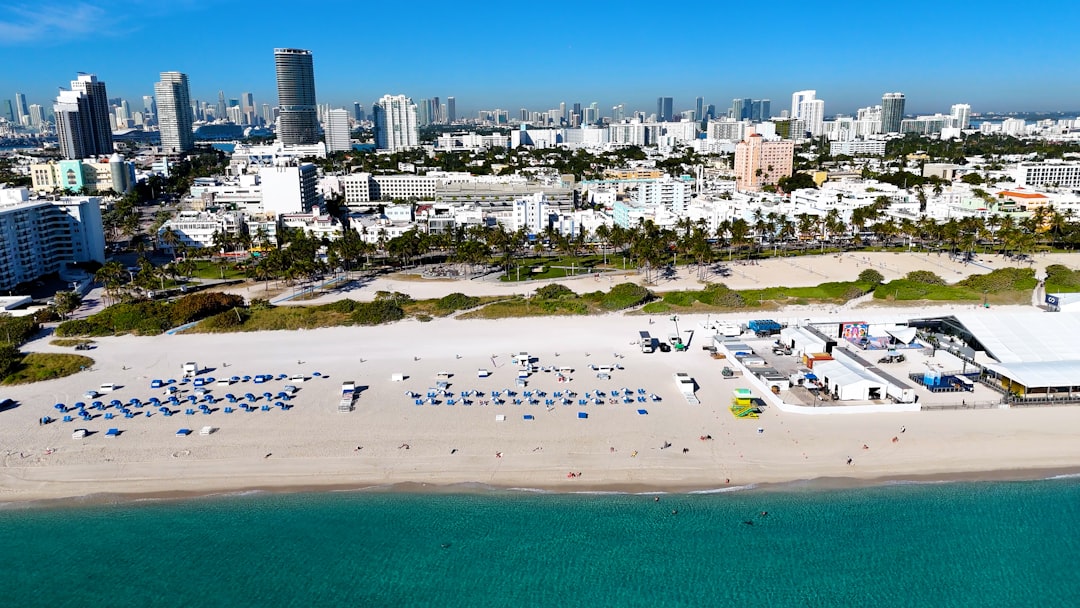
The combination of strong sun, high humidity, and a plume of Saharan dust sweeping across the Atlantic will turn the England vs Norway World Cup quarterfinal in Miami into a severe test of athletic endurance. Northern European players will face heat stress levels rarely experienced in their home countries. Scientists forecast the WetBulb Globe Temperature (WBGT) for Saturday to exceed 88 degrees Fahrenheit.
WBGT Index measures real risk for soccer players
The WetBulb Globe Temperature goes beyond air temperature by incorporating humidity, wind, and solar radiation. Humidity limits sweat evaporation, wind provides cooling, and direct sun raises skin and core temperatures. When WBGT exceeds 82°F, the American College of Sports Medicine recommends ceasing athletic activity because the human body struggles to cool down. FIFA mandates cooling breaks if WBGT reaches 90°F, but Saturday's forecast is already critical.
Sponsored Protocol
Scientists urge FIFA to update heat safety guidelines
A coalition of scientists from five continents sent an open letter to FIFA, demanding longer hydration breaks and the option to postpone matches with WBGT above 82°F. Current three-minute breaks are deemed insufficient. Matt Maley, a researcher in environmental ergonomics at Loughborough University, said players may reduce sprint frequency and distance covered, slowing the game compared to Premier League or Eliteserien standards.
Motivation peril: when the body cannot keep up
Maley warned that motivation can override bodily signals, exposing players to heat exhaustion. "Motivation does sometimes supersede what the body's telling the brain," he said. Determined athletes pushing to maintain their usual intensity risk heat injury. Planning breaks is as essential as a social media editorial calendar plans to sell; FIFA must plan for player health.
Sponsored Protocol
Fans also face heat dangers in stadiums
Supporters, especially older individuals and those with pre-existing conditions, risk dehydration, heat exhaustion, and heat stroke. A report by the New Weather Institute warns that the 2026 World Cup heat stress crisis could turn football's greatest celebration into a public health emergency. Miami's concrete and greenhouse gas emissions trap heat, worsening conditions. For more on heat stress measurement, see the Wikipedia page on WBGT.