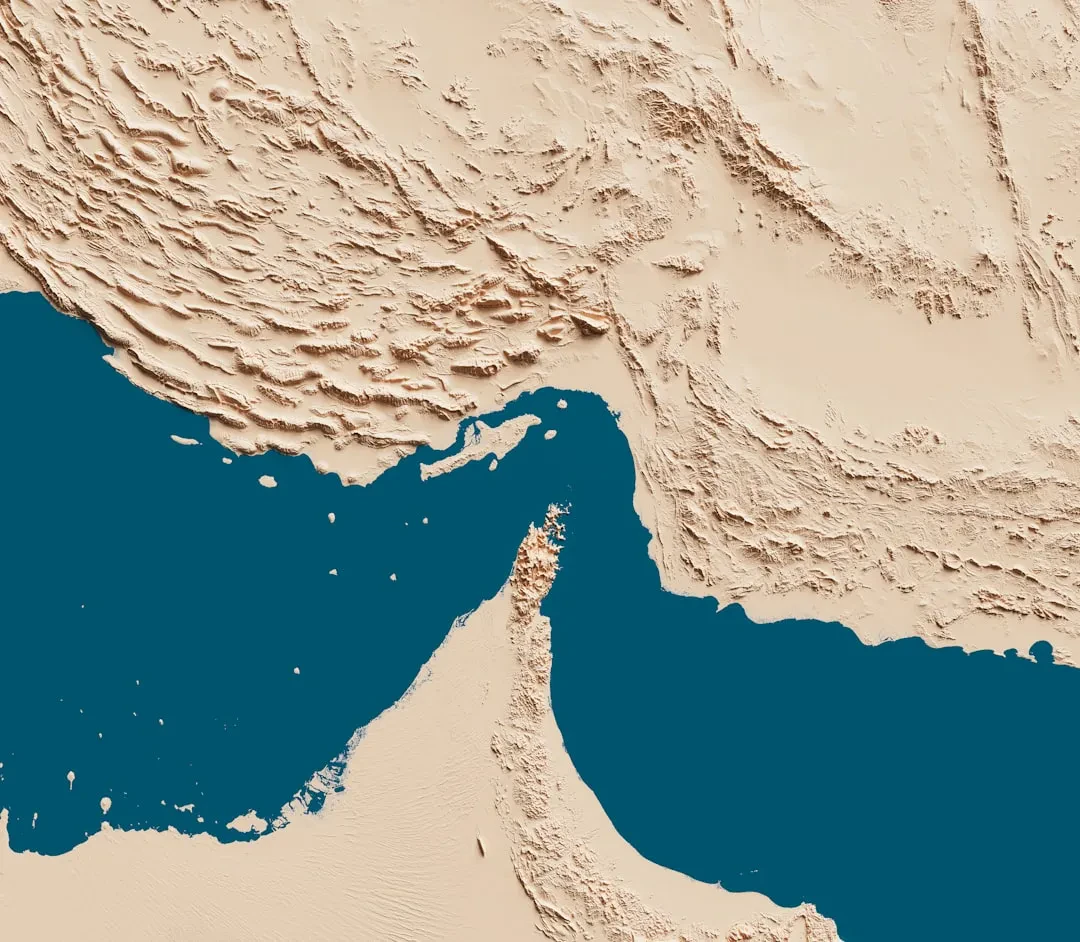
After 110 days of conflict between the United States and Iran, ten vessels that had been stranded in the Strait of Hormuz finally began moving out of the area, according to maritime intelligence firm Windward. The Strait appears open for business. However, experts warn that US consumers should not expect a rapid drop in gas prices, which have surged over 35% nationally since late February.
The Fragile Reopening
Despite positive signs, the situation remains extremely fragile. The Strait is still seeded with an unknown number of underwater mines, and President Trump's continued threats of military action against Iran's nuclear program add to uncertainty. The demining process could take six weeks to six months, notes Michelle Wiese Bockmann, senior maritime intelligence analyst at Windward. The safest routes for ships are likely in narrower channels closer to Iran or Oman, but critical details on how traffic will proceed are missing.
Sponsored Protocol
Jakob Larsen, chief safety and security officer at BIMCO, the world's largest shipping organization, stated that the industry still views the Strait as a risk. The peace memorandum did not clarify safe routes or a timeline for full traffic resumption. Credible assurances from both sides are needed before pre-conflict levels can be restored.
Impact on Oil Prices and Goods
According to Jason Miller, a supply chain management professor at Michigan State University, there is no sign that prices are heading back to February levels. The global oil supply-demand balance has been severely disrupted. Petroleum-based products, such as plastic food packaging, will remain more expensive for at least one to two months. Oil price volatility is expected due to very low global inventories.
Sponsored Protocol
A key factor is China's role: it dramatically reduced oil imports during the war, drawing on its reserves. Beijing's decision to resume imports will influence price trends. Choices made in China affect how much you pay at the pump.
Geopolitical Consequences and New Dynamics
The war may have permanently transformed global shipping. Iran has demonstrated it can shut down the Strait, and the possibility of imposing tolls on passing ships is being discussed. Such a precedent would be dangerous, warns Bockmann, as it could be imitated in other strategic straits, like the Strait of Malacca, causing chaos in global trade.
Sponsored Protocol
Meanwhile, an unexpected winner is the electric vehicle sector. In a world where straits can close at any time, consumers and governments are increasingly leaning toward EVs, reducing oil dependence.
For more on geopolitical tensions affecting the global economy, read our article on the 2026 World Cup: Visa Barriers and Geopolitical Tensions. To better understand the Strait of Hormuz, consult the Wikipedia entry.
Source: https://www.wired.com/story/an-open-strait-of-hormuz-wont-fix-gas-prices-overnight