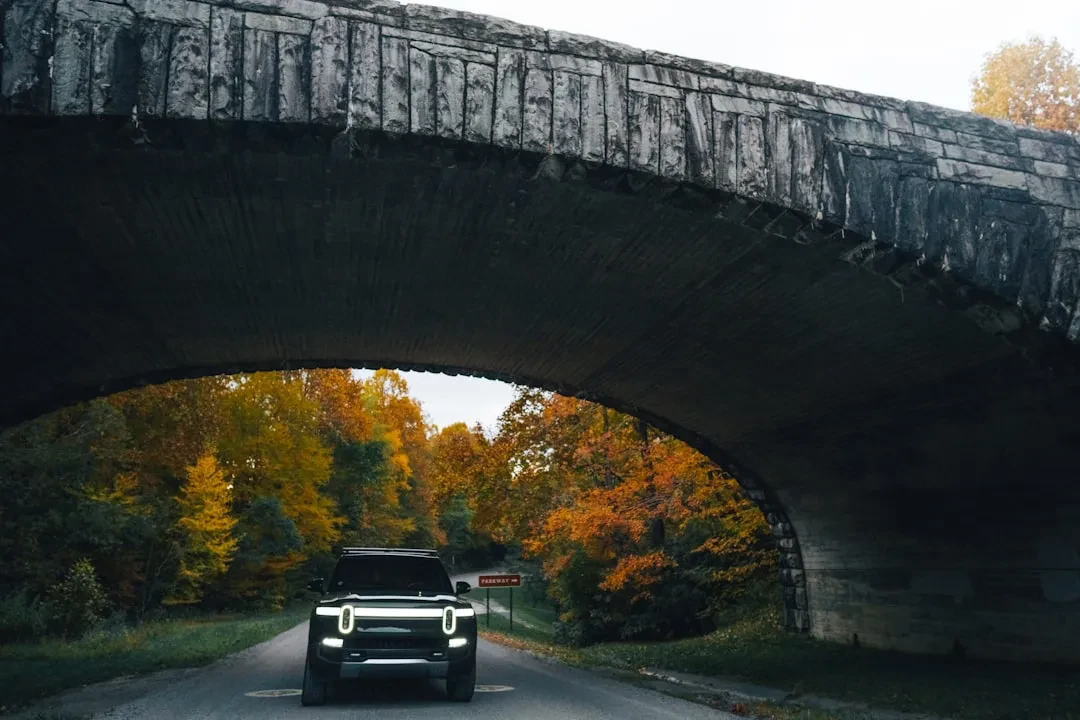
A class-action lawsuit has been filed against Rivian, accusing the electric vehicle maker of falsely promising hands-free, eyes-off driving capabilities for its first-generation R1T truck and R1S SUV. The complaint, filed in the U.S. District Court for the Central District of California, focuses on claims that Rivian represented its vehicles would achieve Level 3 autonomy, as defined by the Society of Automotive Engineers. The lawsuit alleges that Rivian, through a coordinated nationwide marketing campaign spanning five years, induced consumers to purchase vehicles that could never deliver on those promises.
The plaintiffs, three named individuals, point to statements by CEO RJ Scaringe at TechCrunch Disrupt 2022 and other marketing materials. The complaint states that no software update can make the Gen 1 vehicles capable of true hands-free driving. Rivian declined to comment, citing the ongoing litigation. The lawsuit includes counts of fraud, negligent misrepresentation, and unjust enrichment. The law firms Coleman Law and Tycko & Zavareei have requested a jury trial.
Sponsored Protocol
First-Generation vs. Second-Generation
While first-generation R1 vehicles lack hands-free driving, second-generation models, overhauled in 2024, offer it. The second-gen vehicles feature the Rivian Autonomy Platform with 11 cameras, five radar sensors, and a computer ten times more powerful than the previous system. Last year, Rivian rolled out Universal Hands-Free via a software update, enabling drivers to take their hands off the wheel on over 3.5 million miles of roads in the U.S. and Canada. The lawsuit argues that Rivian knew its first-generation hardware could not support such features.
Comparisons with Tesla and Other Lawsuits
Rivian is not alone in facing legal challenges over self-driving promises. Tesla and Elon Musk have long claimed Full Self-Driving capabilities, leading to lawsuits from owners who say the feature was never delivered. Tesla also faced regulatory action from the California DMV for deceptive marketing of Autopilot and FSD, resulting in a court ruling against Tesla, though no license suspension was enforced after the company stopped using the term Autopilot in California. Rivian previously settled a shareholder class action for $250 million after a sudden price hike in 2022.
Sponsored Protocol
This case highlights the growing scrutiny on automakers' promises. For a related example of corporate restructuring leading to legal issues, see the recent closure of PayPal Ventures. For more on autonomous driving standards, refer to the Wikipedia article on self-driving cars.