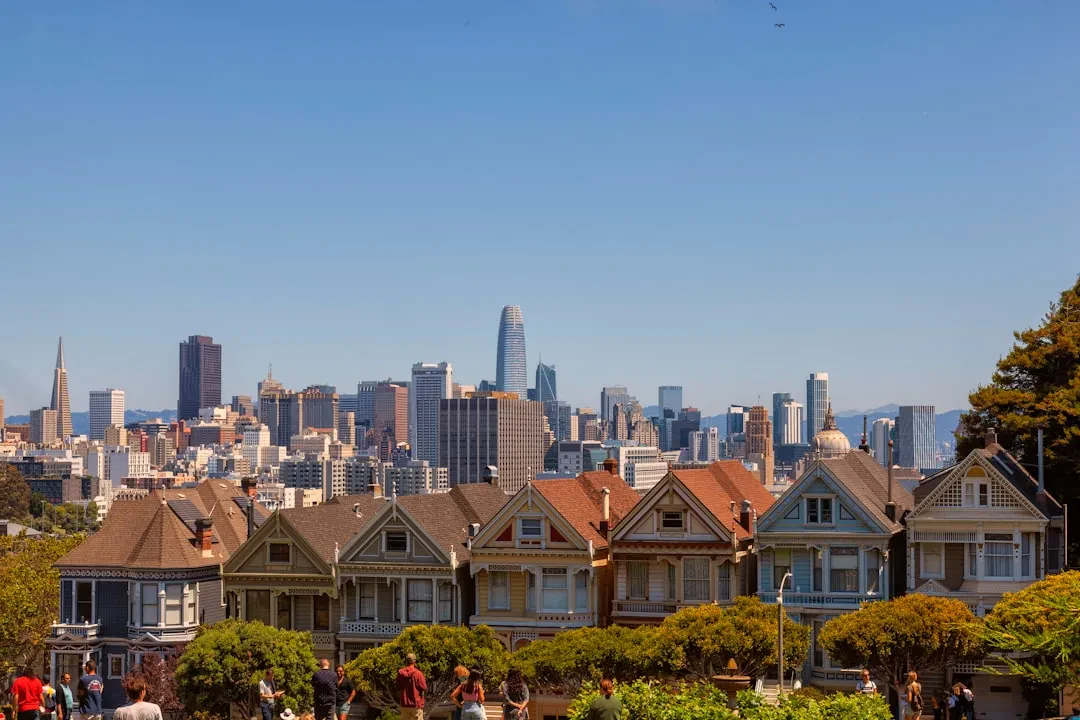
The San Francisco housing market is experiencing a frenzy reminiscent of the dot-com bubble's best days, but with a crucial difference: this time the drive comes from real tech wealth accumulated and monetized quietly but devastatingly. The most valuable private companies in the world are headquartered in the Bay Area, and their employees, after years of stock options and equity accumulation, are cashing out fortunes that reshape real estate valuations.
The Invisible Cycle of Tech Liquidity
Anyone observing the San Francisco housing market knows that behind the crazy bids and sky-high prices lies more than speculation. There is a wave of liquidity from IPOs, late-stage funding rounds, and billion-dollar acquisitions. Companies like Stripe, Databricks, OpenAI, and Anthropic have generated so many billionaires and multi-millionaires that they have saturated the luxury residential segment and penetrated once-peripheral neighborhoods. The phenomenon is so pervasive that even homes with structural issues or protected tenants are purchased at above-market prices because available cash far exceeds supply.
Sponsored Protocol
Impact on the Urban Fabric
The consequences are visible to all: indirect evictions, neighborhoods gentrifying at record speed, and a middle-class tech workforce struggling to move up the property ladder. The newly rich of Silicon Valley are not just buying houses; they are acquiring entire buildings, turning them into single-family residences or office spaces for new ventures. This has led to a dramatic reduction in available rental stock, pushing rents to unprecedented levels. According to analysts, the median home price in San Francisco has surpassed $2.5 million, with peaks of $5 million for properties in central areas like Pacific Heights or Nob Hill.
The Connection to Global AI Growth
This is not just a local phenomenon. San Francisco's tech wealth is fueled by the global race for artificial intelligence, which has seen record investments in language models, cloud infrastructure, and specialized startups. To understand the scale of this boom, we can look at how other regions face similar challenges. In India, for instance, the Voice AI sector is experiencing exponential growth, but with technical and regulatory hurdles that slow down monetization, as explained in the article Voice AI in India - Technical Hurdles and an Essential Glossary to Navigate AI Jargon. While India's ecosystem struggles to turn innovation into real estate wealth, San Francisco has already passed that stage, creating a bubble some economists now call dangerous.
Sponsored Protocol
Risks and Future Prospects
The flip side is dependence on a cyclical sector. If the flow of capital stops due to stricter regulation or an AI slowdown, the housing market could crash, triggering cascading effects on the local economy. City administrations are trying to counter with measures like increased capital gains taxes on real estate and incentives for affordable housing construction. But the power of tech liquidity makes almost any intervention seem futile.
Sponsored Protocol
Meanwhile, the analog technology sector is experiencing a different renaissance. As covered in the article Instax Wide 400 and Boox Tappy Fuel the Analog Tech Renaissance in 2026, there is a consumer trend seeking refuge in physical, non-digital products. This could be a reaction to the abstraction of tech wealth and the lack of territorial roots. San Francisco, with its real estate frenzy, represents the apex of this contrast.
For more on the history of San Francisco's housing market and the role of startups, check the Wikipedia entry on housing in the San Francisco Bay Area.