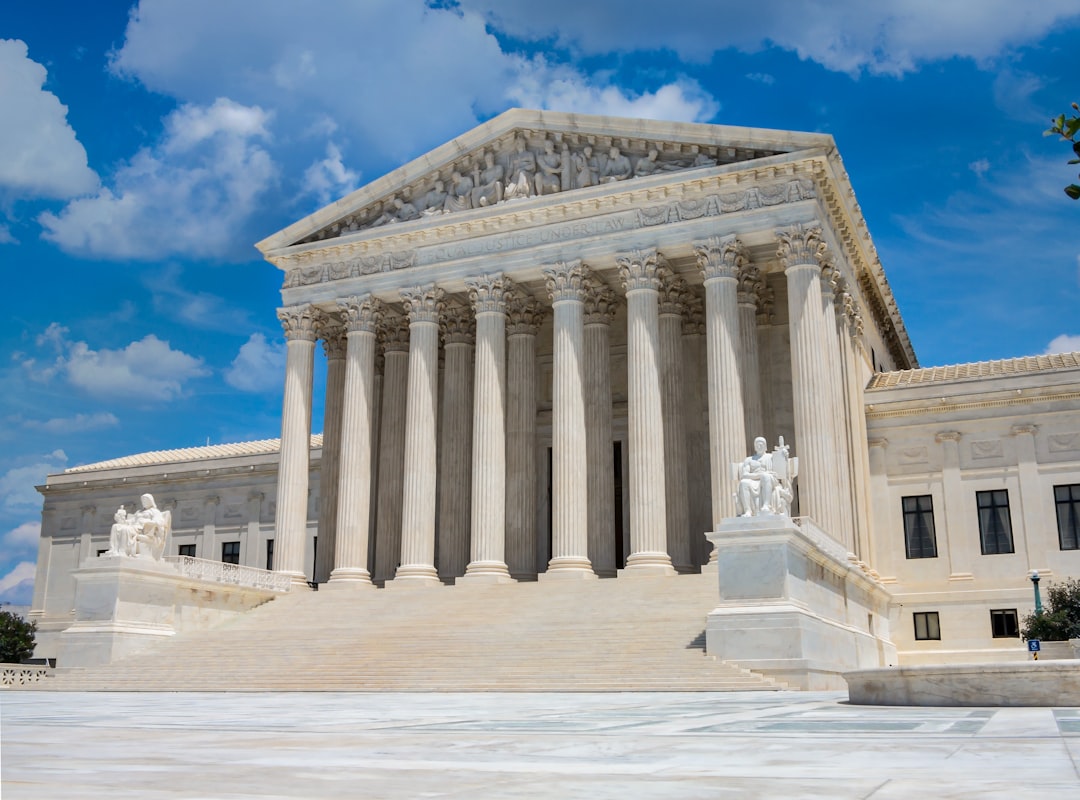
A bold legislative proposal has emerged from the U.S. political landscape, with Senators Bernie Sanders and Alexandria Ocasio-Cortez at the forefront. The two representatives have introduced a motion aimed at banning the construction of new data centers in several areas of the country. The initiative, although controversial, aims to curb the ever-increasing environmental impact of these digital infrastructures, which are fundamental to the functioning of the web and online services.
The Growing Concern Over Environmental Impact
Data centers, the true beating hearts of the digital age, are responsible for massive energy consumption and a significant water footprint. Their uncontrolled expansion raises urgent questions about long-term sustainability. The proposal from Sanders and Ocasio-Cortez stems precisely from this awareness, highlighting the need for a more responsible approach in managing technological growth. The call for a construction moratorium fits into a broader debate that pits supporters of technological innovation against those who emphasize safeguarding the planet. It is not the first time that major tech companies have been in the spotlight for environmental issues, as also shown by the legal cases that have involved Meta in the past, albeit for different reasons related to child safety.
Sponsored Protocol
A Complex Debate Between Innovation and Sustainability
The proposed legislation, according to TechCrunch, aims to block the construction of new data centers in areas where water resources are already under pressure or where the electrical grid struggles to meet demand. This could have significant repercussions on the tech industry, which increasingly depends on these structures for data processing and storage. Artificial intelligence, for example, requires enormous computational capacity, fueling the demand for new and more powerful data centers. In this regard, significant investments like that of Kleiner Perkins in AI underscore the centrality of these infrastructures for the technological future. On the other hand, innovative solutions like those proposed by Apple with the integration of AI into its operating systems, as can be seen in articles about iOS 27, also require a solid support infrastructure.
Sponsored Protocol
The discussion also extends to how tech companies manage their operations. The integration of advanced features, like those seen in iOS 26.4, or the marketing strategies of giants like Google with its Pixel 10, depend on a robust data infrastructure. Even emerging platforms like Meta's Threads, which aims to evolve beyond simple conversation, need adequate infrastructural support. The idea of a construction moratorium could push companies to seek more efficient and sustainable solutions, such as the use of renewable energy or the development of lower-impact technologies. Nuclear fusion, for example, is seen by many as a potential energy solution for the future, with substantial investments from tech giants.
Sponsored Protocol
The legislative proposal also raises issues related to cybersecurity and data management. The concentration of data in a few large centers could represent a risk in case of cyberattacks, like those that can target the supply chain, compromising security scanners. The need to balance technological growth with environmental sustainability is a challenge that society as a whole must face. The evolution of social media, with platforms like Meta's Threads seeking new directions, and monetization strategies, like those of Apple with ads on Maps, highlight how the sector is in constant transformation and how the underlying infrastructures must adapt.
Our Publication Thinks That...
The proposal from Bernie Sanders and Alexandria Ocasio-Cortez, while appearing drastic, is a strong signal of the growing urgency to address the environmental impact of the digital revolution. It is undeniable that data centers are essential for our modern life, but their expansion cannot come at the expense of the planet's resources. We believe this initiative can stimulate constructive debate and push the tech industry towards more innovative and sustainable solutions. It is not about stopping progress, but about guiding it in a more responsible direction, also considering the ethical and social implications, like those raised by cases of AI use in art or debates on the use of minors' data. The search for a balance between innovation and environmental protection is the real challenge of our time, a path that requires the collaboration of governments, companies, and citizens.
Sponsored Protocol
Source: Original