In the dynamic world of fintech, significant news is shaking the subscription services sector. Skio, a promising startup accelerated by Y Combinator, has been acquired by Recharge for a considerable sum of $105 million in cash. This deal represents a notable success for Skio, considering the company had only raised $8 million in funding during its journey. The founder and outgoing CEO, Sanchay Misra, publicly shared this information, highlighting the profitability and strategic value of the transaction.
Recharge's Acquisition Strategy
Recharge, an already established company in subscription billing, views the acquisition of Skio as a strategic opportunity to expand its offerings and strengthen its market position. The integration of Skio's technologies and expertise will allow Recharge to further enhance its services, providing customers with a more robust and complete platform for managing recurring subscriptions. This move underscores the growing importance of scalable and flexible payment solutions in the modern e-commerce landscape. Skio's ability to generate such a significant return on invested funding testifies to a solid business model and efficient resource management, fundamental aspects for long-term sustainability in the competitive technology sector.
Sponsored Protocol
The Impact of Artificial Intelligence and Meta's Acquisition
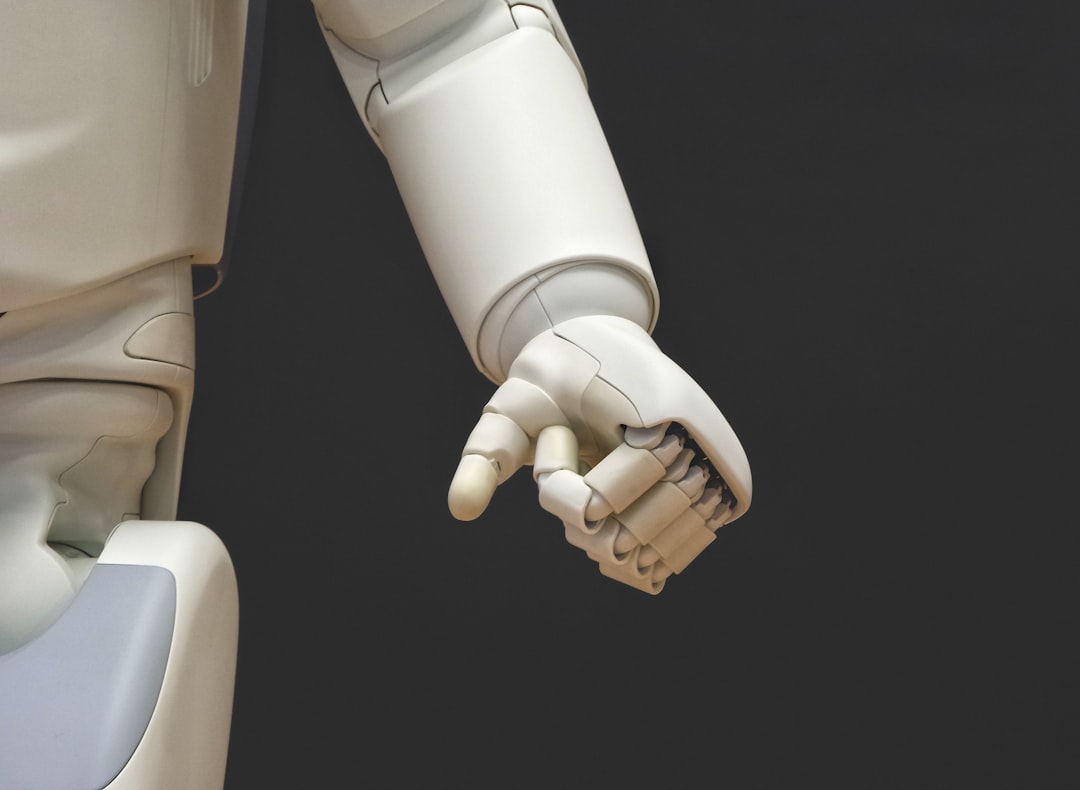
In parallel, the artificial intelligence and robotics sector continues to see significant acquisitions. Meta Platforms, a leader in the metaverse and social media, has announced the acquisition of Assured Robot Intelligence, a startup specializing in AI for robotics. This step clearly signals Meta's intent to accelerate its research and development in the field of humanoid machines. Assured Robot Intelligence's employees will join Meta's Superintelligence Labs, contributing to enhancing the company's advanced artificial intelligence capabilities. The integration of these skills is crucial for Meta's long-term vision, which includes creating increasingly sophisticated AI agents and building cutting-edge data centers to support these ambitions. This scenario fits into a broader trend of massive investments in AI, as also demonstrated by the interest of companies like NVIDIA and Microsoft in enterprise AI applications in critical sectors such as defense, with the Pentagon embracing advanced solutions for its classified networks.
Sponsored Protocol
Continuous Innovation and Technological Challenges
These acquisitions and developments highlight a general trend towards accelerated innovation and consolidation in the tech sector. Companies are seeking to integrate new capabilities, both through strategic acquisitions and internal research, to remain competitive. Meanwhile, the personal device market continues to evolve, with innovations ranging from AI-powered laptops, such as the new LG Gram 2026, to more specialized devices. The gaming world is also undergoing transformations, with platforms seeking to unify the experience across different devices, as in the case of the modified Steam Controller designed to house smartphones, bridging PC and mobile gaming. Digital health and well-being are also at the forefront, with wearable devices like the Oura Ring expanding their functionalities to offer increasingly detailed insights, such as hormonal and reproductive health monitoring. These advancements demonstrate a continuously expanding technological ecosystem, where artificial intelligence plays an increasingly central role, from automating business processes to creating more personalized and intuitive user experiences.
Sponsored Protocol