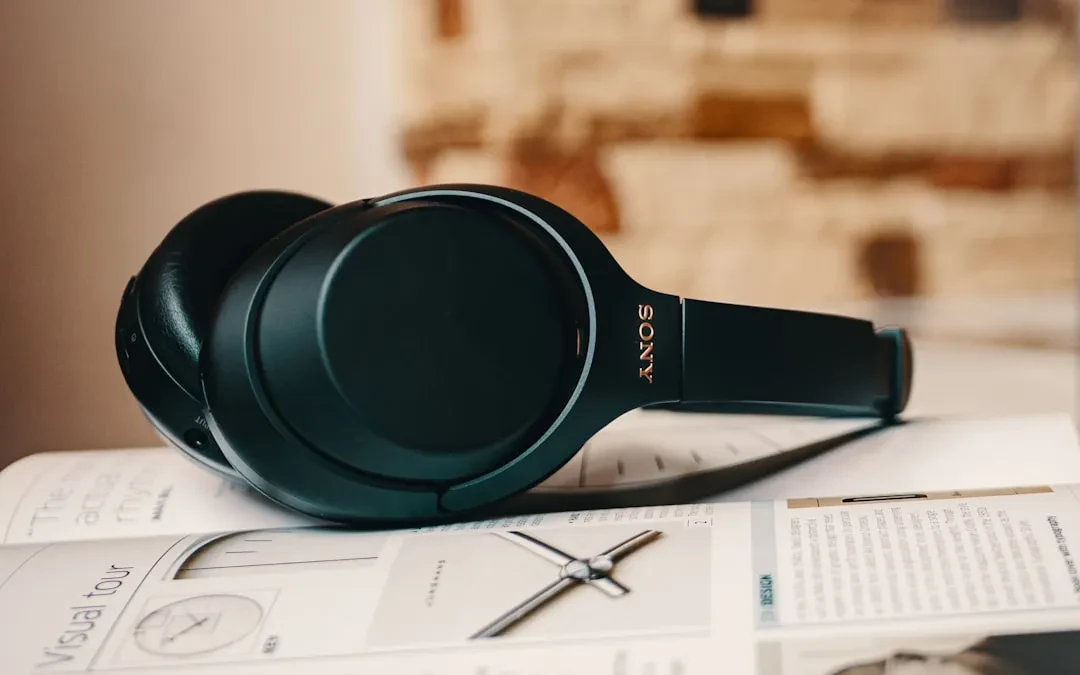
Sony is facing a class action lawsuit in the United States for allegedly profiting from tariff-related price hikes, while simultaneously preparing to launch an ultra-premium 10th anniversary edition of its flagship noise-canceling headphones at 649 dollars. This contradiction highlights the Japanese giant's delicate balancing act between maximizing margins and maintaining consumer trust.
The Class Action Allegations
A class action has been filed against Sony, accusing the company of using recent tariffs as a pretext to raise prices far beyond actual cost increases. Similar lawsuits have already been brought against Amazon and Nintendo, suggesting a broader pattern in the tech industry. The plaintiffs argue that Sony's price hikes were not justified by the tariff costs but were instead a deliberate strategy to boost profits. If successful, the lawsuit could lead to significant financial damages and force changes in pricing transparency across the sector. This controversy comes at a time when consumers are already feeling the pinch of inflation, and it raises questions about corporate ethics. For context, consider how Apple recently dropped the price of its first-generation AirTag below 50 dollars, illustrating a contrasting market dynamics where product lifecycle and demand can drive prices down.
Sponsored Protocol
The ColleXion: A Luxury Statement
Leaked images of Sony's 1000X 'The ColleXion' Edition, shared by OnLeaks, reveal a redesigned headphone with thicker leatherette padding, larger ear cups, and reinforced stems made from a single piece of polished metal. At 649 dollars, the price is 200 dollars higher than the launch price of the WH-1000XM6, positioning the ColleXion as a direct competitor to Apple's AirPods Max (549 dollars). Battery life is rated at 24 hours with active noise canceling and 32 hours without, plus a five-minute quick charge that yields 1.5 hours of playback. Sony has partnered with three mastering studios Battery Studios, Sterling Sound, and Coast Mastering for driver tuning, promising studio-grade audio quality. The package includes a purse-style carrying case and an audio cable, though a USB-C charging cable may not be included. The headphones are expected to launch tomorrow, Tuesday May 19.
Sponsored Protocol
Implications and Industry Context
The simultaneous legal and product announcements expose Sony's dual strategy: targeting high-end consumers willing to pay a premium while risking backlash from budget-conscious buyers. The reinforced design addresses a common complaint about the XM6's durability, but the steep price may limit adoption. Furthermore, the tariff lawsuit casts a shadow over the brand's image, making the luxury launch appear tone-deaf to some. This is not an isolated incident; other tech giants are also rethinking their product strategies. Microsoft recently killed Teams Together Mode, a feature that once symbolized virtual collaboration, as part of a broader cost-cutting and refocusing effort. Sony will need to prove that the ColleXion's exclusivity and build quality justify its premium, while the class action could set a precedent for how companies handle tariff-related pricing. Understanding the legal framework of a class action is essential to grasp the potential impact on Sony and the entire consumer electronics market in 2026.
Sponsored Protocol