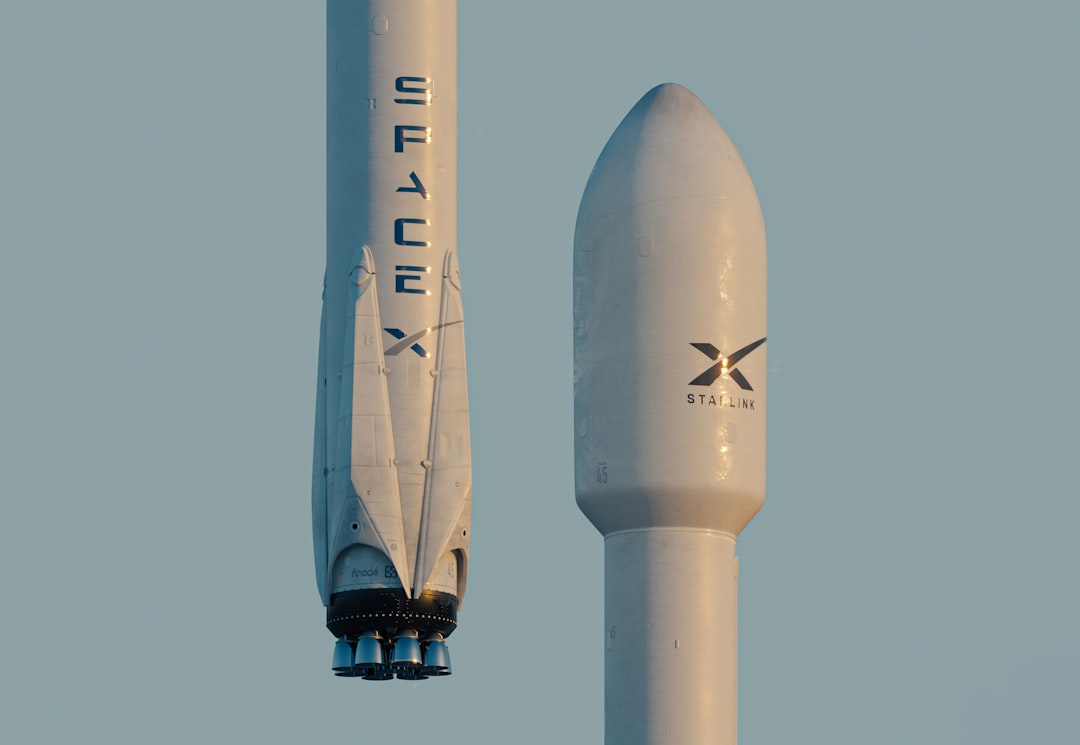
The Federal Aviation Administration (FAA) has cleared SpaceX to resume flights of the Starship prototype after the company identified the probable cause of the booster stage failure during a flight in May. This clearance comes amid a broader regulatory landscape where government actions shape major corporate deals, such as the lawsuit by 12 US states to block the Paramount-Warner Bros. merger.
FAA Investigation Identifies Heat Effects and Erroneous Alarm Settings
On Monday, the FAA stated that the most probable root causes of the Super Heavy booster failure were heat effects on propulsion system components during the ascent and erroneous engine alarm system settings. SpaceX reported over the weekend that it has made changes to Starship's engine alarm and abort systems to reduce the chance of similar failures. The problem occurred at booster separation: slight differences in engine startup on the ship caused the Booster to turn 90 degrees in the wrong direction. SpaceX has modified the startup sequence to ensure a more reliable flip in the desired direction and improved re-light reliability.
Sponsored Protocol
Next Launch on July 16 to Deploy First V3 Starlink Satellites
SpaceX announced that the next Starship flight could occur as early as Thursday, July 16. This will be the second launch of the third version (V3) of Starship, and the first since SpaceX went public. The June 12 IPO raised approximately $86 billion, making SpaceX one of the ten most valuable companies in the world. During this test, Starship will carry the first third-generation Starlink satellites, designed to increase network capacity and user speeds. SpaceX plans to deploy 20 of these new satellites, which will connect to the broader constellation via high-capacity lasers and burn up in the atmosphere about 20 minutes after deployment. Six of them will be equipped with cameras to photograph Starship's exterior.
Sponsored Protocol
Hardware and Operational Modifications to Prevent Engine Loss
The first V3 test flight on May 22 was largely successful: the Super Heavy booster lifted the 407-foot rocket into space, the upper stage separated and deployed 20 satellite simulators along with two modified Starlinks that recorded external footage. However, the upper stage lost one of its three vacuum-optimized Raptor engines. SpaceX stated it has made several hardware and operational modifications to prevent recurrence. The V3 booster failed to re-ignite its engines for reentry and fell into the Gulf of Mexico. With corrections in place, SpaceX aims to demonstrate full reusability.
Sponsored Protocol
Strategic Importance of Starship and Starlink V3 for SpaceX's Future
The V3 versions of both Starship and Starlink are crucial to SpaceX's long-term plans. Starlink was the only profitable part of SpaceX's business before the IPO, and Starship's full reusability is essential for ambitious projects such as space-based data centers and interplanetary travel. This test flight will test the market's appetite for SpaceX's fly, fail, fix approach, which often ends in fireballs, or as Elon Musk calls them, rapid unscheduled disassembly. For more background, refer to the SpaceX Starship Wikipedia page.
Source: https://techcrunch.com/2026/07/13/spacex-cleared-to-fly-starship-again-after-booster-failure-in-may