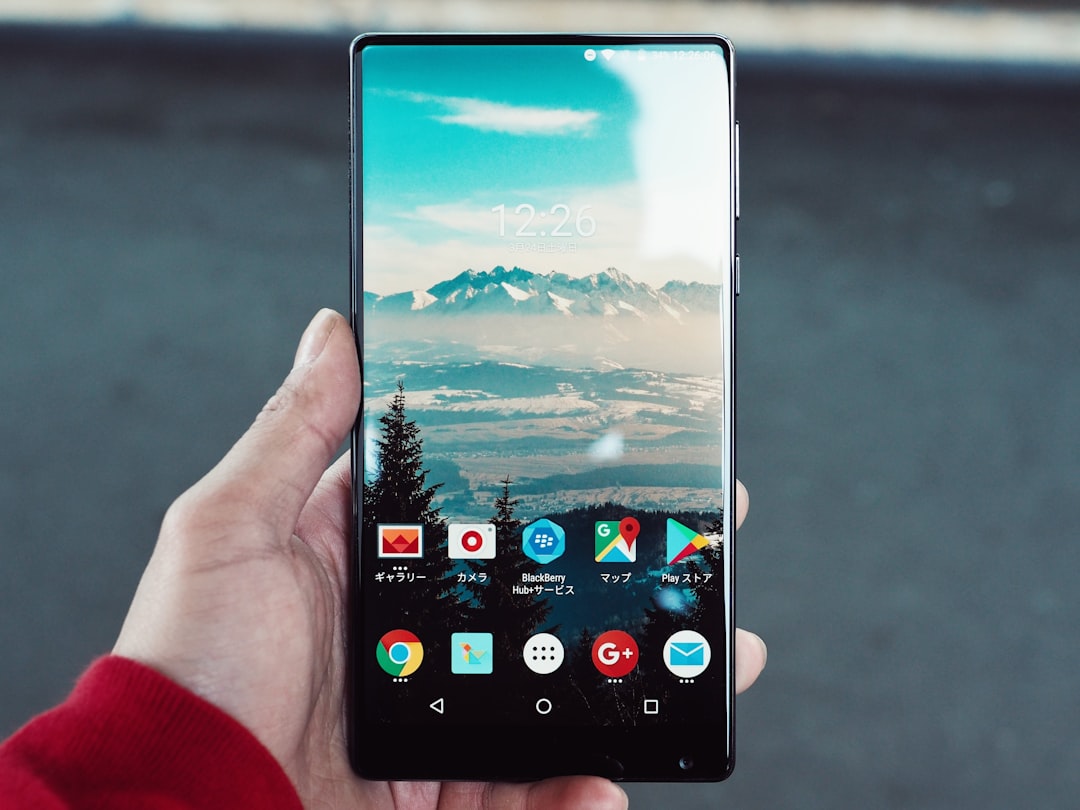
In the crowded Android launcher landscape, standing out is tough. Stario Launcher had managed to do so, offering a visually stunning experience with smooth animations, custom widgets, and advanced organizational tools. Developed since 2024, it flew under the radar, but those who tried it called it the most beautiful launcher ever on Android. Today, the project is essentially dead, and Google's rigid policies are to blame.
Google's tightening restrictions on customization apps stifled Stario Launcher
Google recently tightened rules for apps that access sensitive system functions, such as accessibility services and notifications. Stario Launcher relied on these APIs to deliver its advanced animations and widgets. The new guidelines, aimed at protecting privacy and security, made it impossible for the developer to maintain full functionality without violating the terms of service. Big launchers like Nova or Action Launcher adapted, but for a small project like Stario, adaptation proved fatal.
Sponsored Protocol
A design masterpiece that remained unnoticed for too long
Stario Launcher stood out for its emphasis on aesthetics. Every transition was polished, widgets felt like native parts of the home screen, and organizational tools allowed smart app grouping. The user experience was smooth and rewarding, comparable to an iPhone's attention to detail. Unfortunately, lack of visibility and the technical hurdles imposed by Google led the developer to abandon the project.
The consequences for the Android customization ecosystem
The demise of Stario Launcher is a worrying sign for the entire ecosystem. Google pushes for tighter security but risks stifling the innovation and diversity that made Android beloved. Launchers like Stario represented the freedom to personalize your phone. With the new policies, independent developers struggle to survive. A similar fate may await other niche apps, as seen before with some notification managers. For those who love customization, the choice narrows to a few big names. To explore how software policies impact device longevity, read our article on Samsung Galaxy A53 and Google Pixel 6a among smartphones losing software support by end of 2027, an example of how corporate decisions limit user experience.
Sponsored Protocol
The future of Android customization after Stario Launcher
Despite this abandonment, the enthusiast community does not give up. Some developers are seeking workarounds, like using less restrictive APIs or publishing on third-party stores. However, without Google's support, reaching a broad audience is tough. The hope is that Google finds a balance between security and creative freedom, perhaps by introducing a certification for high-quality customization apps. Until then, Stario Launcher will remain a beautiful memory of what Android could be. For more details on the dynamics that led to this situation, check the original article on Android Authority.
Sponsored Protocol
Source: https://www.androidauthority.com/stario-launcher-hands-on-dead-google-fault-3682817