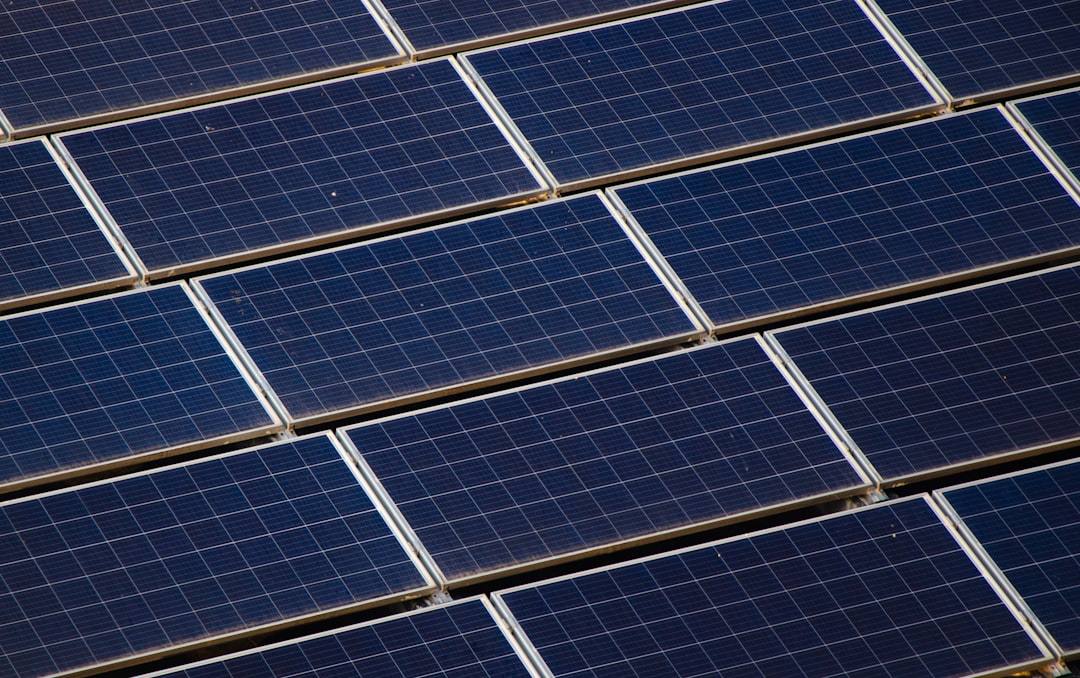
Suffolk County Council has ordered the precautionary shutdown of solar panels at approximately 80 schools after three separate fires were linked to these installations. Although investigations are ongoing, the decision aims to eliminate any potential risk to students and staff. Engineers have been deployed to isolate photovoltaic systems installed between 2011 and 2016, when many schools in the region participated in an energy upgrade program.
Three incidents in months raise safety alarm
The most recent incident occurred on June 24 at Sidegate Primary School. On June 25, the council stated that "the fire may be linked to solar panels installed on the roof of one of the school buildings." Two previous fires at other district schools prompted authorities not to wait for inspection results. Sarah-Jane Smedmor, the council's Executive Director of Children and Young People, said: "We cannot take the risk that those incidents were unrelated or coincidental. We must act with precaution to eliminate any potential fire risks."
Sponsored Protocol
Aging solar infrastructure and neglected maintenance
The panels involved date back over a decade, when solar technology was less advanced. Connectors, isolators, and inverters have since undergone significant evolution, and experts note that these components, if not periodically inspected, can pose a risk. Energy expert Tony Slade told the BBC: "This is not a renewable energy problem, but potentially one of electrical system specification, installation and maintenance." Regular maintenance of solar panels is as crucial as that of a gas boiler, but it is often overlooked.
Sponsored Protocol
Suffolk's decision comes as the UK accelerates its energy transition: Energy Secretary Ed Miliband plans to increase national solar capacity from 18 GW to 85 GW by 2035. However, these incidents raise questions about the safety of older installations, especially as heatwaves continue. An analysis by QBE Insurance found that UK firefighters responded to a solar-related fire every two days in 2024, often caused by faulty wiring or inverters rather than excess heat on the panels.
Lessons for future installations and related links
This case underscores the need for stringent maintenance protocols for photovoltaic systems, especially those on public buildings. For those interested, Google Wallet recently integrated Gmail-powered order tracking, an example of how technology can simplify information management. Similarly, Chrome extension security has been strengthened with a ban on extensions that bypass AI chatbot safeguards. But the Suffolk solar panel saga invites reflection: every innovation requires periodic checks to prevent efficiency from turning into danger.
Sponsored Protocol
The council expects to complete the shutdown within two weeks but has not provided a timeline for reactivation. Experts recommend thorough inspections of all similar systems across the country.