The American automotive landscape is experiencing a pivotal week. On one hand, the Tesla Model Y has made history by becoming the first vehicle to pass the new US safety benchmark for driver assistance systems. On the other, Lexus has unveiled the TZ, its first fully electric three-row SUV, focusing on quietness and refinement. These two events together paint a future where electrification and automation go hand in hand, but with very different philosophies.
The New Safety Standard for Driver Assistance
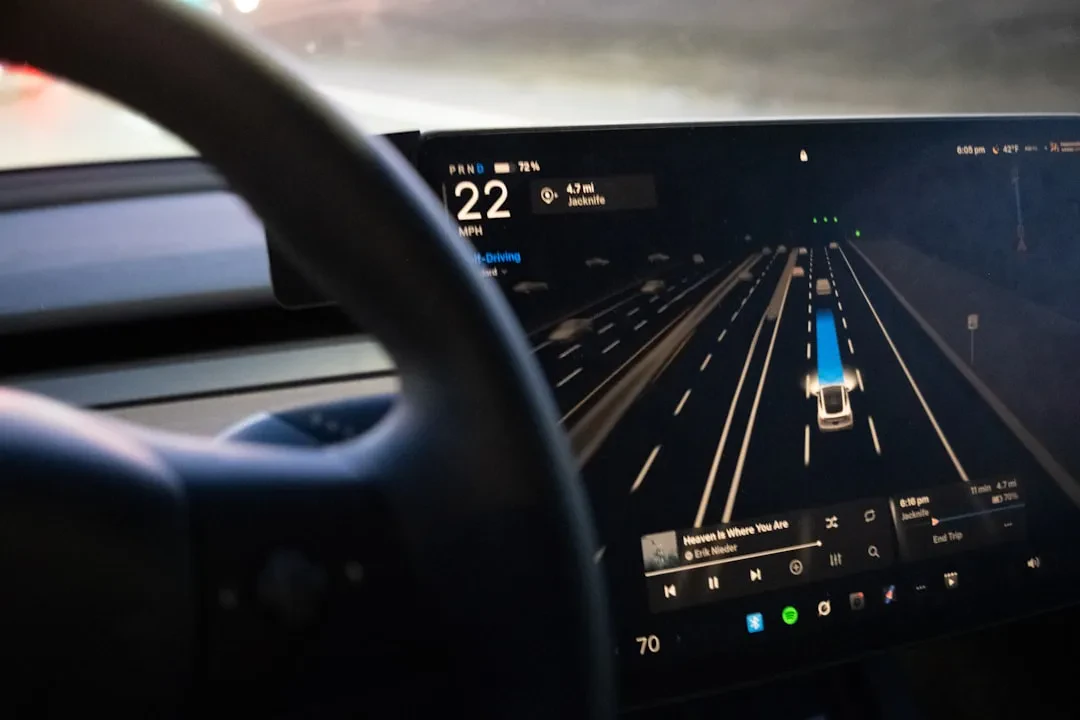
The news that shook the industry comes from the National Highway Traffic Safety Administration (NHTSA). The new benchmark, introduced earlier this year, rigorously evaluates Level 2 driver assistance systems. The Tesla Model Y, assembled after November 12, 2025, achieved the highest score, proving that Elon Musk's company has responded to past criticisms by integrating more mature sensors and algorithms. This result is especially significant as AI safety remains under scrutiny, highlighted by the heated debate around the Musk-OpenAI case. Passing this test is not just a technical milestone but a signal for the entire industry: automakers will now have to meet increasingly stringent standards to maintain consumer and regulatory trust.
Sponsored Protocol
Lexus TZ: Electric Luxury and Silence
While Tesla focuses on driving technology, Lexus emphasizes the in-cabin experience. The new Lexus TZ is a premium, refined take on the Toyota Highlander EV, but with a completely different approach. It is not just a three-row SUV for families; it is a cabin designed to isolate external noise, with sound-absorbing materials and electric motors optimized for silence. Lexus claims the TZ offers an "almost surreal" quiet ride, a key advantage in a segment where comfort is paramount. By not pushing advanced autonomous driving but relying on a proven and discreet assistance system, Lexus shows a different strategy: reliability and luxury versus radical innovation.
Sponsored Protocol
Market and Regulatory Implications
The arrival of the NHTSA benchmark and Tesla's response raise an important question: will the rest of the industry follow? The Lexus TZ, for instance, has not yet obtained the same certification, but its driver assistance system, called Lexus Safety System+, is already considered among the most robust. However, with the new standard, even Japanese manufacturers will need to update their software to compete. The convergence between autonomous driving and electric vehicles is becoming increasingly inevitable, and this week's events confirm it. As reported by TechCrunch, the startup world watches these developments closely, because the future of mobility will be a blend of hardware and software.
Sponsored Protocol
For more on the latest startup and innovation news, check out our article on TechCrunch Disrupt 2026, where we analyzed founders' roles in the AI era. The challenge of AI safety is also central, as shown by the Musk-OpenAI case covered in this article.
For a technical overview of safety tests, refer to the Wikipedia page on Advanced Driver Assistance Systems (ADAS).